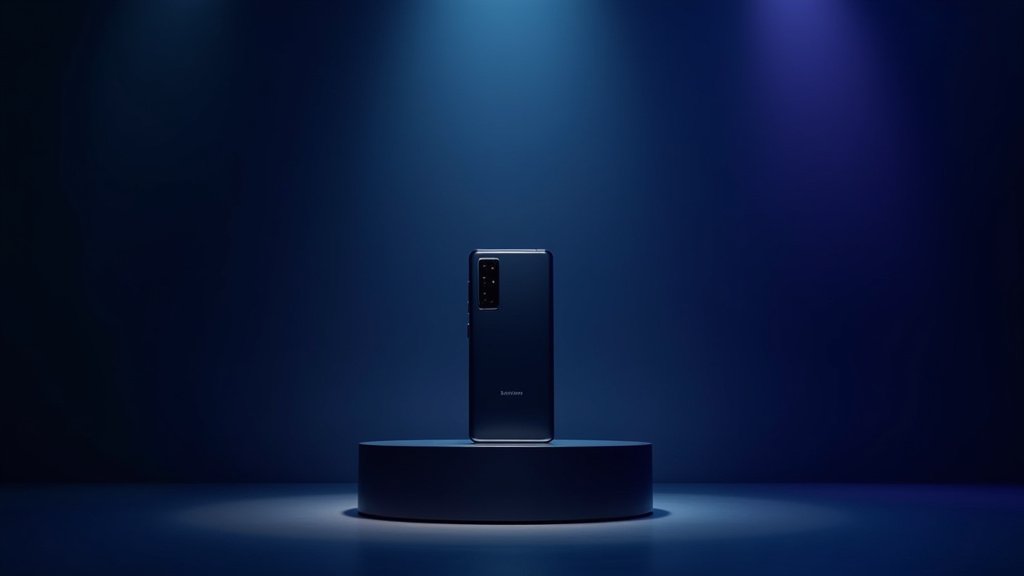
Samsung is officially accelerating its product lifecycle with a surprise “Galaxy Event” set for August 27, 2026, shifting the launch of the highly anticipated Galaxy S26 FE earlier than industry analysts previously anticipated. This strategic pivot marks a distinct departure from Samsung’s historical reliance on September product unveilings, signaling a new, aggressive approach to consumer hardware deployment. By bringing the S26 FE to market ahead of the traditional autumn cycle, Samsung aims to capture critical market share before the competitive Q4 landscape intensifies.
Key Highlights
- Launch Date: The global Galaxy Event is confirmed for August 27, 2026.
- Flagship Focus: The S26 FE will debut early to prioritize the integration of next-generation AI and camera capabilities.
- Strategic Timing: Samsung is moving away from its standard September launch window to preempt holiday competition.
- AI Integration: The S26 FE will feature advanced Galaxy AI capabilities, positioning it as the new standard for value-focused flagship devices.
The Strategic Pivot: Why August Matters
The decision to host the Galaxy Event in late August represents a calculated maneuver by Samsung Electronics to recalibrate its seasonal dominance. Historically, the ‘FE’ (Fan Edition) series has served as a mid-cycle stabilizer, designed to refresh the portfolio between the release of primary S-series flagships and the following year’s innovations. By moving the S26 FE launch to August 27, Samsung is effectively shortening the gap between its premium lineup and the mid-range accessibility that the FE series provides. This ensures that the company’s latest AI-enhanced handsets are in the hands of consumers before the critical back-to-school and pre-holiday shopping windows fully open.
Furthermore, this shift is not merely about timing; it is about establishing a foothold for Galaxy AI in the mid-market segment. As the industry faces increasing pressure from Chinese competitors offering aggressive feature sets at lower price points, Samsung’s ability to deploy proprietary software, such as Galaxy AI, earlier in the quarter acts as a defensive moat. By forcing the conversation toward their new hardware in late August, Samsung is essentially controlling the narrative of the ‘affordable flagship’ space long before competitors can react with their own Q4 refreshes.
The Rise of the ‘Value Flagship’ Economy
In 2026, the smartphone market has become increasingly bifurcated between ultra-premium luxury devices and the value-conscious segment. The S26 FE is the primary vessel through which Samsung addresses this second group. Unlike previous iterations that focused primarily on hardware refinement—such as camera resolution or display brightness—the S26 FE is reportedly the first of its kind to prioritize software parity with the higher-end S26 series. The integration of advanced computational photography and on-device AI models suggests that the ‘Fan Edition’ is evolving into an essential access point for the broader Samsung ecosystem. This shift is critical for maintaining Android market share, especially as users demand flagship-level intelligence without the flagship price tag.
Camera and AI Synergy
Industry experts note that the core differentiator for the S26 FE will be the deep-level integration of neural processing. The August launch suggests that Samsung has successfully optimized its manufacturing pipeline, allowing for the inclusion of premium chipset architecture—likely a tuned iteration of the Snapdragon 8 series—capable of handling intensive AI workloads. This isn’t just a hardware upgrade; it is a fundamental shift in how Samsung markets the ‘FE’ branding. Previously seen as a ‘lite’ version, the 2026 model is being positioned as a ‘core performance’ device. The camera system, long a strength of the FE line, is expected to utilize real-time AI image processing that has previously been reserved for the Ultra-series devices, offering users a high-fidelity creative toolset that justifies the early release date.
Economic Impact and Supply Chain Agility
Moving a major product launch forward by several weeks is no small feat in global logistics. It implies that Samsung has achieved unprecedented agility in its supply chain management. Typically, manufacturers face significant bottlenecks when shifting launch windows, as component procurement and assembly lines must be recalibrated. The August 27, 2026 date serves as a strong indicator that Samsung has matured its manufacturing operations to be more responsive to real-time market data. This agility may well become the new benchmark for the industry, putting pressure on competitors to shorten their own development cycles or risk being left with outdated hardware models during the most profitable months of the year.
FAQ: People Also Ask
Q: Why did Samsung move the Galaxy S26 FE launch from September to August?
A: Samsung aims to secure an early lead in the market, allowing the S26 FE to be available to consumers before the peak holiday shopping season and to better integrate Galaxy AI features ahead of competitor releases.
Q: Will the S26 FE have the same AI features as the main S26 flagship?
A: Reports suggest that the S26 FE is designed to bring ‘core’ Galaxy AI features to a wider audience, aiming to provide a near-flagship software experience despite its more accessible price point.
Q: What is the significance of the August 27, 2026 event?
A: This event marks a strategic shift in Samsung’s product release cadence, moving away from its traditional September timeline to assert dominance in the high-performance, mid-range smartphone market.
Q: How does this change affect the typical Samsung release schedule?
A: By launching in August, Samsung creates a tighter, more efficient product ecosystem, allowing the company to sustain momentum throughout the latter half of the year rather than relying on a singular late-year push.