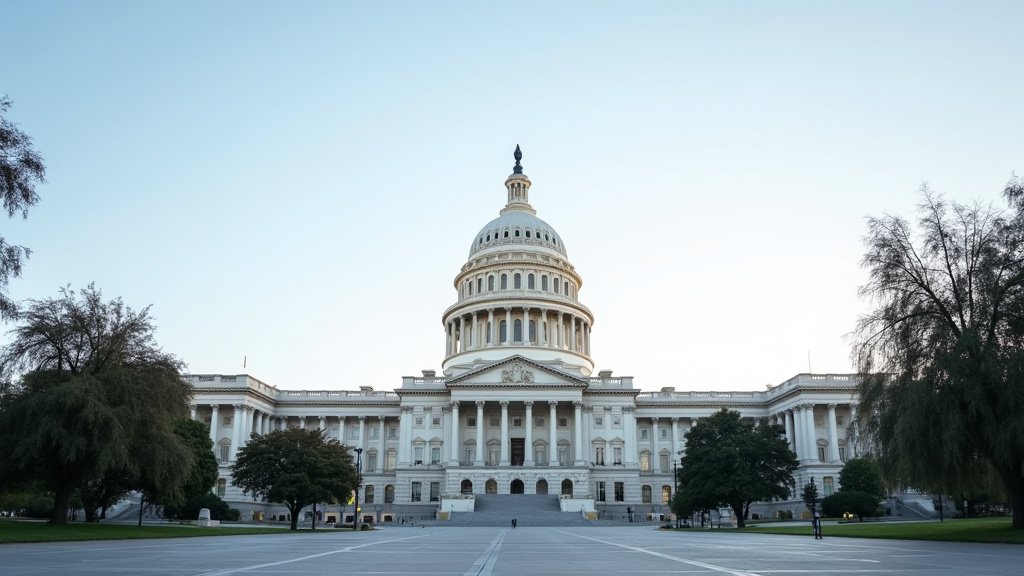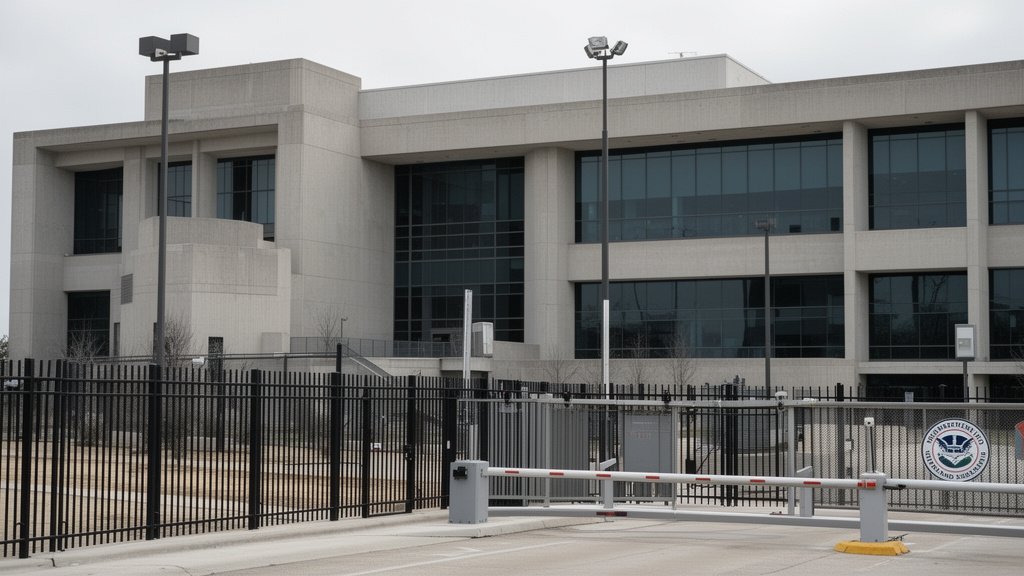
Newly released internal emails have laid bare an unprecedented level of cooperation between U.S. Immigration and Customs Enforcement (ICE) and the Iranian government. The correspondence, obtained through a series of Freedom of Information Act (FOIA) requests, confirms that between late 2025 and early 2026, U.S. officials actively coordinated with Iranian diplomatic staff to facilitate the deportation of over 100 Iranian nationals. Most startlingly, the records indicate that immigration officials permitted Iranian embassy representatives to review and suggest adjustments to deportation lists, a practice that human rights advocates argue sets a dangerous precedent for the prioritization of foreign political interests over U.S. due process.
Key Highlights
- Coordinated Removals: Over 100 Iranian nationals were deported between late 2025 and early 2026 following direct lines of communication between ICE and Iranian embassy officials.
- List Manipulation: Emails show ICE permitted Iranian officials to vet deportation rosters, effectively allowing a foreign government to influence who was prioritized for return.
- FOIA Revelations: The collaboration was brought to light only after months of legal wrangling to unseal correspondence between DHS field offices and Iranian diplomatic contacts.
- Legal Scrutiny: Legal experts and civil liberties groups are now questioning whether this coordination violated protected asylum claims and due process rights for the individuals listed.
The Anatomy of a Secret Protocol
The revelation of these emails has sent shockwaves through the Department of Homeland Security (DHS) and human rights circles alike. For years, the U.S. government has maintained a stance of limited diplomatic engagement with the Iranian state, a policy defined by sanctions and high-stakes geopolitical tension. However, the internal records paint a different picture: one of functional, bureaucratic pragmatism where administrative efficiency—specifically the clearing of deportation dockets—took precedence over traditional diplomatic friction.
The emails, which span the period from November 2025 through February 2026, document a series of exchanges regarding the logistical challenges of returning Iranian nationals. While immigration authorities often coordinate with foreign consulates to secure travel documents for deportees, the extent of the interaction here went significantly beyond standard consular verification. According to the records, U.S. officials provided embassy contacts with lists of individuals slated for removal, inviting “input on prioritization.”
In several instances, the correspondence shows Iranian officials requesting that specific names be moved up or down the priority queue, citing domestic legal statuses or security concerns. ICE officials, in turn, appear to have acceded to these requests, adjusting internal deportation schedules accordingly. This “collaborative scheduling” suggests a level of deference to a foreign regime that many constitutional scholars argue creates a conflict of interest in the administration of U.S. immigration law.
Operational Efficiency vs. Diplomatic Independence
One of the central questions raised by this discovery is how ICE, an agency tasked with enforcing U.S. law, found itself in a position to outsource tactical decisions to a foreign government. Critics point to the “backlog pressure” that characterized ICE operations in late 2025, during which the agency faced intense political pressure to reduce the number of detainees held in facility long-term. By cooperating with Iran, officials appear to have found a path of least resistance to clearing these specific cases.
However, this efficiency came at a cost. If Iranian embassy officials were influencing which individuals were deported, it raises the possibility that the selection process was skewed by political or security considerations originating in Tehran rather than legal criteria set by U.S. courts. This potential for “proxy enforcement” undermines the impartiality of the American immigration system.
The Legal and Human Rights Backlash
Legal advocacy groups are already mobilizing to challenge the legality of the deportations that occurred under this coordinated arrangement. The primary concern is whether individuals who were flagged or expedited due to Iranian intervention had their asylum claims compromised or their due process rights truncated.
“The moment you allow a foreign state to dictate the terms of who is prioritized for removal, you are no longer operating an independent immigration system,” noted a lead attorney involved in subsequent filings. The ACLU and other immigration watchdog groups are expected to file a joint lawsuit seeking an injunction against any further inter-agency cooperation that allows for list-vetting by foreign entities. They argue that if Iranian officials had a say in who left, they likely targeted specific dissidents or individuals of interest to the Iranian security apparatus, potentially putting those returned in immediate danger upon arrival.
Future Implications and Policy Shifts
This scandal is likely to force a major policy re-evaluation regarding how the U.S. manages deportation logistics with adversarial or non-cooperative nations. The revelation has already triggered a congressional inquiry, with oversight committees demanding to know who authorized the policy of “list-sharing” with Iranian diplomats.
Furthermore, this event highlights the increasing role of digital correspondence in tracking government overreach. As FOIA requests become more sophisticated, the trail of “informal” email agreements between agencies and foreign actors is becoming harder to hide. Moving forward, the DHS will face intense pressure to codify strict “no-vetting” policies, ensuring that while consular verification of documents is permitted, the tactical management of deportation rosters remains strictly an internal, U.S.-led process. The Iranian case serves as a stark reminder that even in the pursuit of administrative speed, the integrity of the law cannot be subordinate to diplomatic convenience.
FAQ: People Also Ask
Q: Were these deportations legal under U.S. immigration law?
A: That is the subject of current legal investigation. While ICE has the authority to deport individuals with final orders, the core issue is whether the method of selecting and prioritizing those individuals—via foreign government intervention—violates administrative due process requirements.
Q: How many people were affected by the list adjustments?
A: The emails indicate that while the total number of deportations facilitated during this window exceeded 100, the exact number of individuals whose priority was specifically manipulated at the request of Iranian officials remains under audit by oversight bodies.
Q: Has the Department of Homeland Security issued a statement?
A: DHS officials have stated they are reviewing the communication practices used between field offices and foreign embassies, describing the interactions as an attempt to “streamline travel document issuance” during a period of high backlog.
Q: Will these deportees be allowed to return or appeal?
A: Advocates are seeking to identify affected individuals to determine if their cases can be reopened, though this is legally complex once an individual has already been removed from the country.