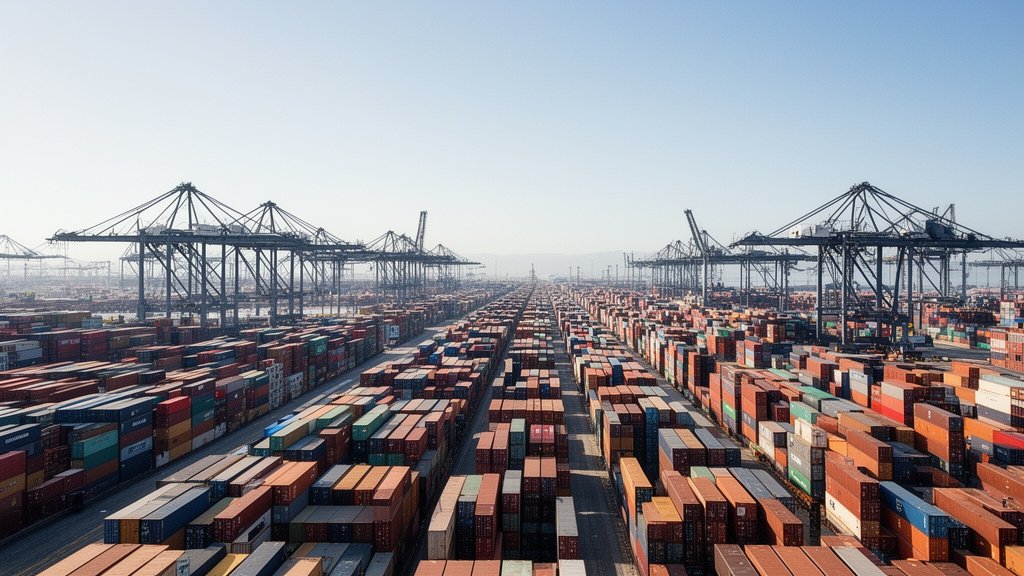
The Pacific Maritime Association (PMA) and the International Longshore and Warehouse Union (ILWU) Local 26 have announced a tentative contract agreement, effectively neutralizing the immediate threat of a strike by port security watchmen. The deal, finalized late Saturday, provides a critical reprieve for the supply chain at the ports of Los Angeles and Long Beach—the dual-hub complex that facilitates approximately 40% of all containerized cargo imports into the United States.
Key Highlights
- Agreement Reached: The PMA and ILWU Local 26 reached a tentative deal, averting a walkout that threatened to halt security operations.
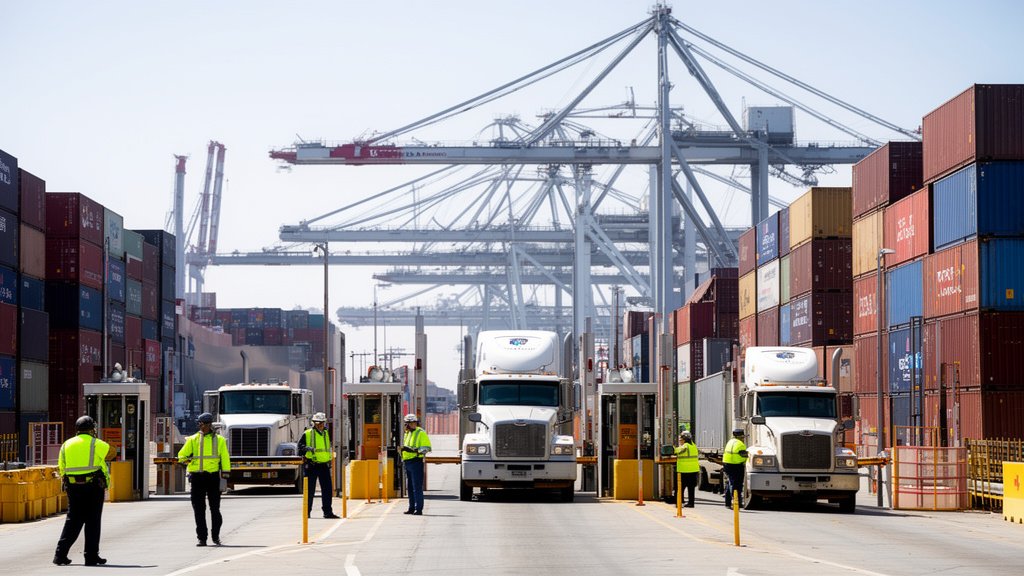
- Cargo Continuity: Security watchmen will remain on the job, ensuring that terminal gates and cargo handling operations continue through the critical holiday season.
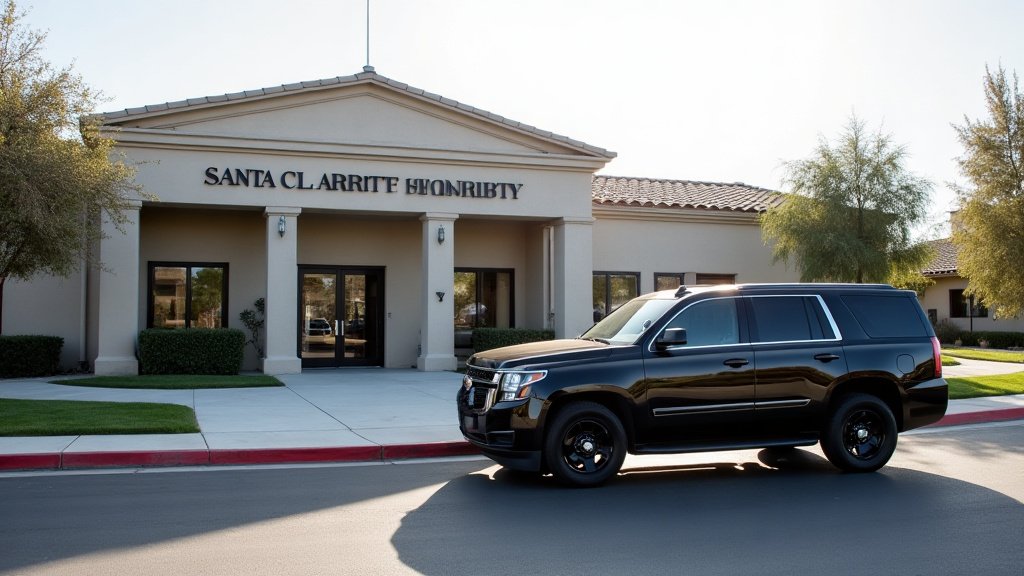
- Local 26 Scope: The union represents critical security personnel, including watchmen, who are tasked with the physical protection and integrity of the port facilities.
- Strategic Relief: The agreement prevents a potential bottleneck during the peak Q4 import window, a period characterized by heightened demand for retail goods.
Safeguarding the Southern California Supply Chain
The averted labor dispute represents a significant victory for logistics planners, retailers, and the broader U.S. economy. For the ports of Los Angeles and Long Beach, the primary concern was not just the physical movement of containers, but the critical oversight required to keep those containers safe. Security watchmen (members of ILWU Local 26) perform essential duties that maintain the facility’s secure perimeter. Without them, operations would legally and logistically grind to a halt, as terminal access protocols demand their constant oversight.
The Anatomy of the Negotiations
Negotiations between the PMA—representing the marine terminal operators and shipping lines—and the local ILWU unit had been intensifying over recent weeks. The dispute largely centered on updated wage structures, healthcare benefits, and staffing levels essential for the modern, high-volume environment of the LA/Long Beach terminals.
By resolving these friction points before a formal strike authorization or walkout, the parties have acknowledged the fragility of the current supply chain. Following the broader, grueling negotiations of the previous year which saw national headlines focused on the ILWU International, this local-level resolution serves as a signal of intent to stabilize operations at the port level.
Impact on Holiday Logistics
For businesses, the timing of this agreement is fortuitous. The Q4 period is when the U.S. consumer market sees its highest volume of imports, ranging from electronics to seasonal retail inventory. A work stoppage—even a short one—could have created a “bullwhip effect,” where delays in unloading would have caused backlogs for weeks, potentially driving up costs for consumers already wary of inflationary pressures. The assurance of stability allows shipping lines to continue scheduled vessel arrivals without the need to divert cargo to other West Coast ports like Oakland or the Pacific Northwest, which would have increased inland transportation costs exponentially.
The Strategic Importance of Port Watchmen
While longshoremen are responsible for the physical transfer of cargo, the security watchmen of Local 26 are the “gatekeepers” of the industry. Their role involves monitoring critical infrastructure, ensuring the integrity of the cargo perimeter, and enforcing safety regulations within the terminal yards. Their labor is often invisible until a dispute arises, yet they are a lynchpin for the multi-billion dollar trade flow passing through San Pedro Bay.
Historical Context of LA/LB Labor
The relationship between the PMA and ILWU has historically been defined by rigorous collective bargaining. However, both sides have shown an increased willingness to settle at the table to avoid federal intervention or the long-term economic fallout of prolonged stoppages. This tentative agreement reinforces the utility of the collective bargaining process in managing the complex ecosystem of modern maritime trade.
Future Predictions and Economic Stability
With this deal in place, the focus now shifts to the ratification process. While the tentative agreement is an immediate success, the industry will be watching closely to see if this model of localized resolution can hold. If ratified, the stability of the LA/Long Beach corridor will be guaranteed for the duration of the new contract, providing the necessary predictability that global shipping lines, freight forwarders, and retailers require to plan their supply chain strategies for the coming year.
FAQ: People Also Ask
Q: What is the specific role of ILWU Local 26 within the port system?
A: ILWU Local 26 represents a specific unit of workers, primarily security watchmen, who are tasked with the physical protection and security of port facilities. They are distinct from the crane operators and longshore workers who physically load and unload ships.
Q: How does this deal impact consumer prices?
A: By preventing a strike, the supply chain remains fluid. Had the ports shut down, shipping companies would have likely diverted vessels to other ports, causing delays and increasing drayage and rail costs, which are often passed down to the consumer as “supply chain surcharges.”
Q: Is the strike officially over, or just paused?
A: It is effectively over. The “tentative agreement” means both sides have agreed to the terms, and it is now moving toward a formal vote by the union members for ratification. Operations will continue as normal during this process.
Q: Could a strike still happen later?
A: While nothing is impossible in labor relations, a tentative agreement usually signals that both parties have achieved their core objectives, making a strike highly unlikely.