The supply chain that powers the United States has narrowly escaped a catastrophic disruption. Following a tense weekend of negotiations, a tentative labor agreement was reached regarding security workers at the Ports of Los Angeles and Long Beach, effectively calling off a strike that threatened to paralyze a significant percentage of U.S. waterborne exports. The deal, which involved critical security personnel, represents a crucial stabilizing moment for the nation’s logistics infrastructure, coming at a time when inflationary pressures remain a central concern for the U.S. economy. By securing this agreement, the parties have averted a work stoppage that would have likely cost the economy billions of dollars daily, delaying the movement of everything from consumer electronics to essential medical supplies.
The Anatomy of the Tentative Agreement
The agreement involves security officers represented by the Service Employees International Union – United Service Workers West (SEIU-USWW), who are responsible for maintaining the integrity and safety of the massive terminal facilities. While specific details of the contract are currently undergoing the ratification process, insiders indicate that the deal addresses long-standing concerns regarding wage adjustments, health and safety protocols, and the increased cost-of-living requirements for workers in the Los Angeles metropolitan area. For these workers, who serve as the gatekeepers of global trade, the negotiation was not merely about compensation; it was about acknowledging their pivotal role in a post-pandemic supply chain that remains fragile. The tentative agreement signals a shift toward proactive resolution rather than reactive conflict in one of the most volatile labor environments in the country.
The Critical Role of SoCal Ports in U.S. Trade
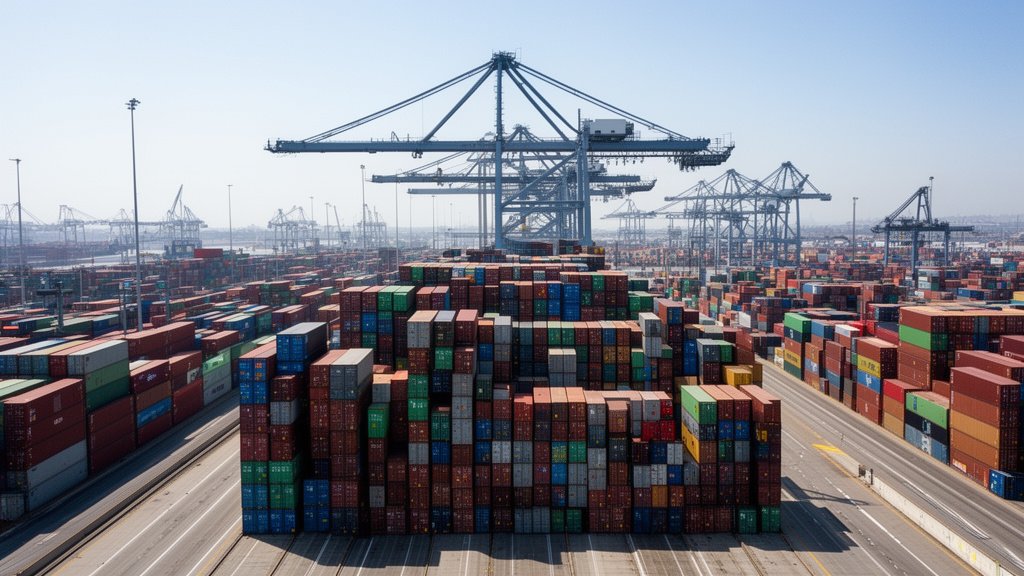
To understand the magnitude of this averted strike, one must look at the sheer scale of the Ports of Los Angeles and Long Beach. Together, these two adjacent port complexes handle approximately 40% of all containerized cargo entering the United States. They serve as the primary gateway for trans-Pacific trade with Asia, facilitating the movement of cargo that eventually reaches every corner of the country via rail and trucking networks. A strike by security workers—the individuals responsible for controlling access to terminals and ensuring the safety of cargo and personnel—would have created an immediate bottleneck. Unlike other sectors where work stoppages might lead to a slow-down in production, a strike at these ports would have resulted in an almost instantaneous cessation of operations. If security gates go unmanned, terminals effectively shut down, causing a ripple effect that extends to rail yards, distribution centers, and retail store shelves nationwide.
Economic Ripple Effects: Why This Matters for the Consumer
Beyond the logistical nightmare, the primary concern of a strike was the inflationary pressure it would have introduced. The U.S. economy, already grappling with the complexities of global trade, cannot withstand sustained disruptions to its primary entry points. An extended lockout or strike at these ports would have driven up shipping costs, created significant delays, and potentially exacerbated the cost of goods for the average American consumer. Retailers, already operating on “just-in-time” inventory systems, would have faced severe shortages ahead of peak shipping seasons. The fact that an agreement was reached serves as a crucial relief valve, maintaining the flow of goods and preventing a localized labor dispute from turning into a macroeconomic crisis.
The Evolution of Security and Labor Relations
This labor dispute highlights an evolving trend in supply chain management: the increasing visibility and bargaining power of the “hidden” workforce. Historically, attention in port disputes has centered on longshoremen and crane operators—the visible labor force that moves the containers. However, the security officers who monitor the perimeters and regulate the massive inflows and outflows of the terminals have become increasingly essential as supply chains have digitized and heightened in complexity. Their role is no longer just about monitoring gates; it is about managing the secure flow of data and physical goods in an era of heightened geopolitical scrutiny. The successful negotiation of this contract demonstrates a maturing labor market where both contractors and unions are beginning to recognize that in a highly interdependent system, every link is vital. Future agreements in this sector will likely continue to follow this trajectory, where labor disputes are managed through mediation before they reach a critical breaking point.
Looking Ahead: Stability in the Logistics Chain
As the industry pivots toward automation and artificial intelligence, the human element of logistics remains the most important factor in keeping the system running. The agreement between the security workers and their employers is a reminder that technological advancement does not replace the need for fair labor practices. As the ports continue to modernize, the human oversight provided by these security professionals will remain an indispensable component of the trade ecosystem. By resolving this dispute, the port authorities and the labor unions have provided a rare, positive signal to markets, suggesting that even in high-stakes environments, compromise is not only possible but prioritized. This resolution creates a stable environment for importers, exporters, and logistics providers as they navigate the complexities of the current global trade climate.
FAQ: People Also Ask
Q: Why was a strike at the Ports of Los Angeles and Long Beach considered a major economic threat?
A: The Ports of Los Angeles and Long Beach collectively handle about 40% of all containerized imports into the U.S. A strike by security workers would have effectively halted terminal access, leading to immediate supply chain backups that would disrupt retail, manufacturing, and shipping nationwide.
Q: What is the role of SEIU-USWW in this context?
A: The Service Employees International Union – United Service Workers West (SEIU-USWW) represents the security officers working at these ports. They are tasked with ensuring the safety of the terminals, managing access for the thousands of trucks and workers entering the facilities daily, and protecting port infrastructure.
Q: What specifically did the workers want in the negotiations?
A: While the full details are being finalized, the core demands focused on competitive wage increases to match the high cost of living in the region, enhanced safety training, and better health benefits, reflecting broader labor trends in the logistics and security sectors.
Q: Does this agreement affect international shipping timelines?
A: Yes. Because the agreement prevents a work stoppage, international shipping schedules are expected to remain stable, avoiding the diversion of cargo to other, less-equipped ports on the East or Gulf Coasts, which would have happened if the strike had proceeded.
Q: Are there more labor negotiations expected in the future for these ports?
A: Labor negotiations in the logistics sector are continuous due to the complexity of the supply chain. While this specific hurdle is cleared, large-scale supply chain operations typically maintain an ongoing cycle of contract renegotiations with various unions, including longshoremen, truckers, and warehouse workers, to maintain operational harmony.