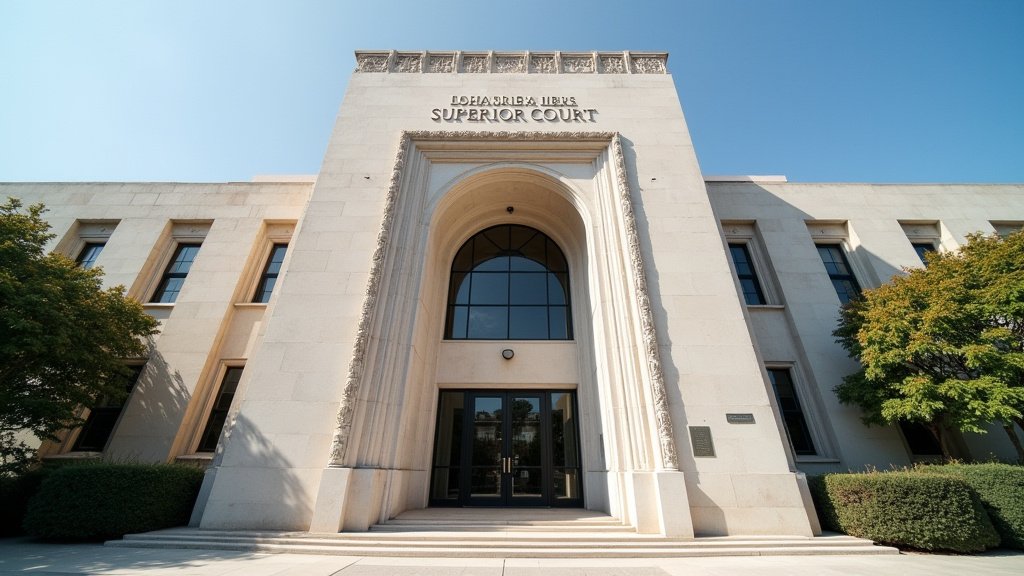
In a significant judicial development that underscores the tension between administrative accountability and statutory rights, a California court has effectively blocked the California Highway Patrol (CHP) from moving forward with the termination of an officer tied to a far-reaching overtime fraud scandal. The ruling, which centers on strict adherence to disciplinary timelines, marks a major setback for the state’s efforts to purge the department of corruption linked to the notorious Border Division overtime irregularities. By invalidating the disciplinary action, the court has effectively highlighted the vulnerabilities within internal investigative processes when faced with the rigorous protections afforded by state law.
Key Highlights
- Procedural Default: The court ruled that the CHP failed to meet mandatory statutory timelines required to impose disciplinary action following the discovery of misconduct.
- Border Division Impact: The case is linked to a wider, multi-year investigation into overtime abuse within the CHP’s Border Division, where millions of dollars were allegedly misappropriated.
- POBR Applicability: The decision relies heavily on the Public Safety Officers Procedural Bill of Rights Act (POBR), which governs the rights of officers facing internal investigations.
- Future Implications: This ruling could set a precedent for other pending termination cases, potentially complicating ongoing efforts to hold officers accountable for systemic fraud.
The Procedural Crisis: Justice Delayed or Denied?
The heart of the court’s decision does not revolve around the validity of the allegations—specifically, the accusation that the officer engaged in improper overtime claims—but rather the administrative execution of the investigation. Under California law, law enforcement agencies are bound by strict statutes of limitations regarding internal disciplinary actions. If an agency fails to initiate or complete an investigation within specific windows of time after discovering misconduct, they forfeit the right to levy punitive measures such as termination.
This specific legal bottleneck has become a recurring theme in the broader investigation of the Border Division, which has plagued the CHP for years. The scandal, which originally surfaced as an audit revealed systemic failures to accurately report and verify overtime hours, led to dozens of internal affairs investigations. While the CHP leadership has expressed a commitment to zero tolerance for financial misconduct, this ruling demonstrates how high-level internal investigations can collapse under the weight of procedural technicalities.
The Role of POBR in Law Enforcement Discipline
Central to the defense in this case was the Public Safety Officers Procedural Bill of Rights Act (POBR). This legislation, designed to protect peace officers from arbitrary or unfair discipline, acts as a double-edged sword. While it ensures due process, it also imposes rigid procedural mandates on departments. In this instance, the defense argued—and the court agreed—that the CHP’s delay in final adjudication exceeded the statutory limit. For the department, this creates a precarious scenario: attempting to balance the public demand for accountability against the absolute necessity of following complex, rigid administrative law.
The Anatomy of the Border Division Scandal
To understand the gravity of the court’s intervention, one must look at the scope of the original scandal. The Border Division investigation uncovered a pattern where officers were allegedly claiming excessive overtime hours for tasks that were either unperformed or grossly inflated. The financial toll on taxpayers was substantial, with internal audits and subsequent criminal investigations flagging hundreds of thousands of dollars in questionable compensation. The current legal challenge is one of several ripples caused by this investigation, which forced the CHP to overhaul its time-tracking and supervisory protocols. The inability to terminate the officer in question acts as a friction point, slowing the department’s efforts to finalize its cleanup operation.
Secondary Angles: Examining the Fallout
1. The Financial Burden on Taxpayers: Beyond the loss of overtime funds, the legal defense for both the agency and the officers involved incurs significant costs. As these cases are litigated, taxpayers effectively pay for the initial investigation, the ongoing legal defense, and, if the officer is reinstated with back pay, the cost of the litigation itself.
2. Internal Morale and Supervisory Failures: The inability of the CHP to complete its disciplinary proceedings within the mandated timelines points to a potential crisis in middle management. When the agency fails to act in time, it suggests a lack of resources or inadequate legal oversight during the investigative phase, which can demoralize those within the department who have remained compliant.
3. The Precedent for Future Reforms: This ruling may force a legislative review of the timelines set forth in the POBR. Advocacy groups and the public may begin to demand an extension of the statute of limitations for police misconduct investigations, arguing that complex fraud cases inherently require more time than the current law allows, thereby preventing “technicality”-based dismissals in the future.
FAQ: People Also Ask
1. Why was the officer’s termination blocked?
The termination was blocked because the court determined that the CHP exceeded the statutory time limit set by state law for initiating and completing disciplinary action after the misconduct was discovered. It was a procedural ruling, not an exoneration of the underlying allegations.
2. What is the Public Safety Officers Procedural Bill of Rights Act (POBR)?
POBR is a set of laws in California that provides rights and protections to peace officers during internal investigations. It includes mandates on how investigations must be conducted, the timelines for disciplinary action, and the officer’s right to representation.
3. Will the officer be reinstated?
Given the ruling, the officer is entitled to the reversal of the termination. While the CHP may attempt to appeal or find alternative administrative remedies, current legal standing dictates that the disciplinary action was invalid, potentially leading to reinstatement and back pay.
4. Is this the end of the CHP overtime fraud investigation?
No. This ruling is specific to one individual’s disciplinary proceedings. The broader investigation into the Border Division’s overtime practices remains active, and the department continues to address the systemic issues that allowed for the initial irregularities.