Donald Trump’s recent campaign remarks suggesting he would permit Iran to ‘take out’ Los Angeles or San Diego have ignited a firestorm of political condemnation. California Governor Gavin Newsom has led the pushback against the former president, characterizing the rhetoric as both ‘deranged and dangerous.’ The comments, which have reverberated through both domestic political circles and international security discussions, highlight the increasingly volatile nature of campaign trail speech and the growing partisan divide concerning U.S. foreign policy and national defense priorities.
The Context of the Controversy
The controversy centers on statements made during a recent campaign event where the former president mused on the hypothetical scenario of Iranian aggression. While campaign trail hyperbole is a frequent occurrence in modern American politics, the specific targeting of major U.S. population centers—Los Angeles and San Diego—as expendable in a hypothetical foreign policy standoff marks a significant escalation in the tone of the current election cycle. For many political analysts, this comment sits at the intersection of ‘America First’ isolationism and traditional Republican hawkishness, creating a dissonance that critics argue undermines the fundamental duty of a commander-in-chief to protect all citizens, regardless of the political leanings of their state.
Newsom’s Sharp Rebuttal
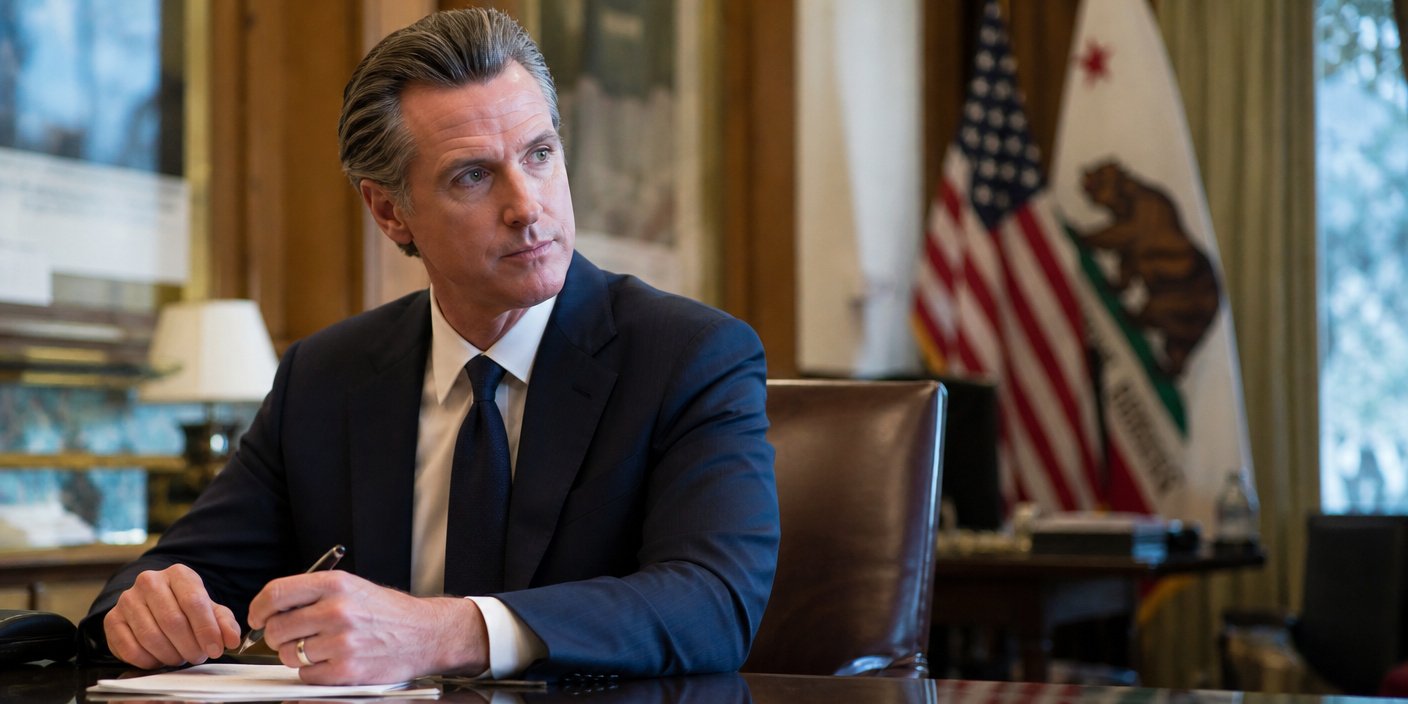
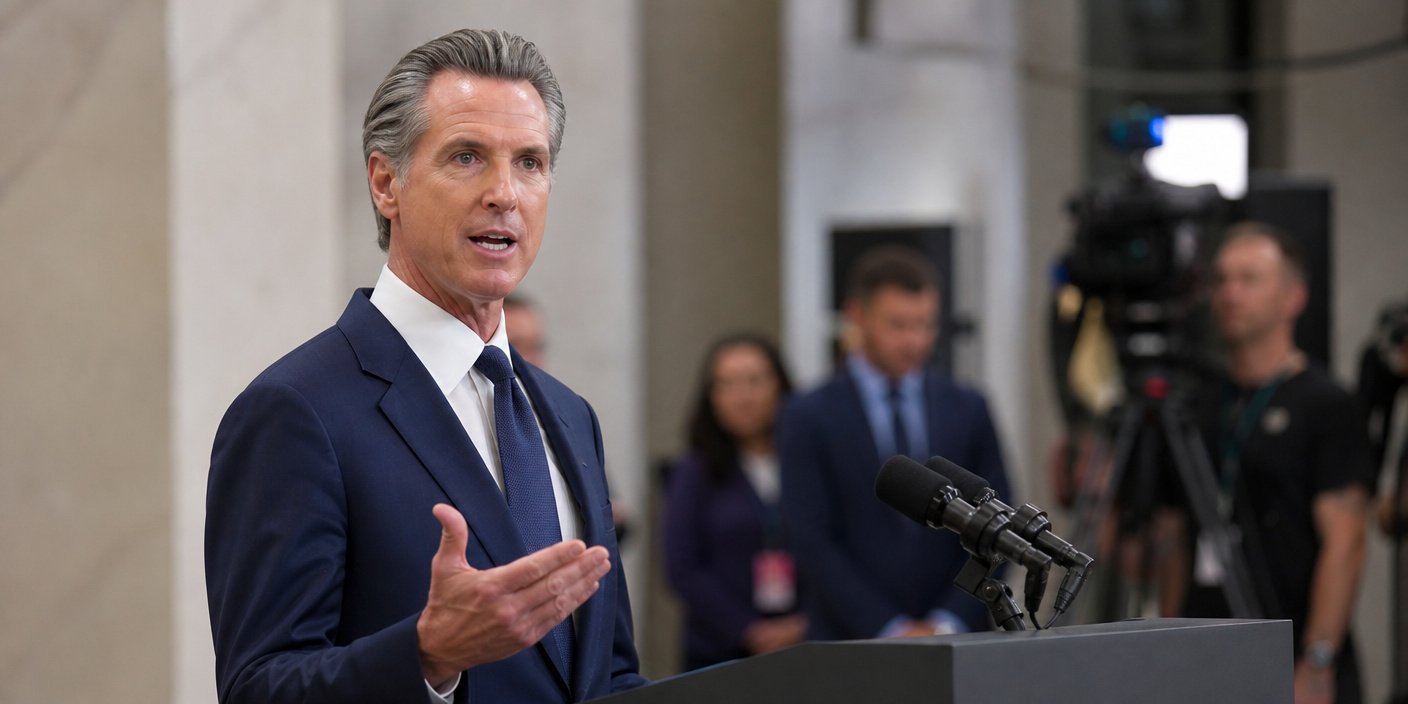
Governor Gavin Newsom, a vocal critic of the former president, did not mince words in his response. By labeling the comments as ‘deranged and dangerous,’ Newsom is tapping into a broader sentiment within the Democratic party that views Trump’s rhetoric as not just politically inflammatory, but fundamentally unfit for the office of the presidency. The Governor’s statement underscores the specific anxiety felt by Californians, who are frequently the targets of federal political rhetoric. From a tactical communication standpoint, Newsom’s swift condemnation serves two purposes: it reinforces his role as a leading national voice against Trump, and it highlights the perceived lack of regard the former president has for the economic and cultural engines of the West Coast.
Secondary Angle: The Evolution of Strategic Ambiguity
Historically, ‘strategic ambiguity’ has been a hallmark of U.S. foreign policy, often utilized to keep adversaries guessing about American intentions. However, there is a marked difference between strategic ambiguity—designed to deter conflict—and rhetoric that effectively invites it. International relations experts note that foreign adversaries often monitor the rhetoric of American presidential candidates to gauge the potential for future diplomatic shifts. When a candidate suggests that major domestic hubs might be left defenseless, it risks signaling to hostile actors that the American security umbrella is conditional rather than absolute. This shift could potentially destabilize existing deterrence frameworks in the Middle East, as Iranian leadership may interpret these comments as a potential future policy change rather than mere campaign bluster.
Secondary Angle: California as a Political Lightning Rod
To understand why this specific comment resonates so deeply, one must look at the role of California in the American political psyche. As the largest state by population and the home of the world’s fifth-largest economy, California serves as a primary foil in the ‘culture war’ narrative. For decades, it has been used as a shorthand for liberal policy, environmental regulation, and progressive social values. By suggesting that these cities could be targets—or effectively abandoned—the rhetoric hits a psychological nerve. It transforms a hypothetical geopolitical scenario into a domestic ‘us versus them’ conflict. This framing serves to solidify the support of the candidate’s base, who often view California with skepticism, while simultaneously alienating swing voters who prioritize national unity and the uniform protection of all 50 states.
Secondary Angle: The Reality of Military Defense
Beyond the political discourse, there is the reality of the U.S. military apparatus. The defense of Los Angeles and San Diego falls under the jurisdiction of the U.S. Department of Defense, specifically the U.S. Northern Command (NORTHCOM) and the Missile Defense Agency. These systems are designed to operate independently of political campaign rhetoric. The security of American soil is managed through rigid, multi-layered protocols, including NORAD air defense, Aegis combat systems, and intelligence-sharing agreements. While the rhetoric of a candidate is powerful, the structural reality of the U.S. military remains unchanged. However, the disconnect between the candidate’s words and the reality of military readiness creates a dangerous perception gap, one that requires clear communication from both the intelligence community and political leaders to reassure a nervous public.
FAQ: People Also Ask
What exactly did Donald Trump say regarding Iran and these cities?
Donald Trump made remarks suggesting he would potentially stand aside or allow Iran to ‘take out’ Los Angeles or San Diego in a hypothetical conflict. These comments were made in the context of campaign discussions surrounding his foreign policy vision, specifically touching on his ‘America First’ approach to global entanglements.
Why did Governor Gavin Newsom label the comments ‘deranged and dangerous’?
Governor Newsom labeled the comments ‘deranged and dangerous’ because they involve a public figure openly contemplating the destruction of major American cities. Newsom argues that such language is not only irresponsible but also directly contradicts the presidential oath to protect all Americans, suggesting that the former president is placing political grievance above national security.
Does this rhetoric impact U.S. national security policy?
While campaign rhetoric does not immediately alter military defense posture, it influences international perception. Adversaries may view such comments as a potential weakening of U.S. resolve or a sign of future isolationism, which can complicate diplomatic efforts and deterrence strategies in the Middle East and elsewhere.
How does this affect the 2024 election cycle?
This exchange further entrenches the existing political polarization. For supporters of the former president, the comments may be viewed as a critique of current foreign policy priorities. For his opponents, they serve as a rallying cry to highlight what they perceive as a lack of national unity and a dangerous approach to global defense.