
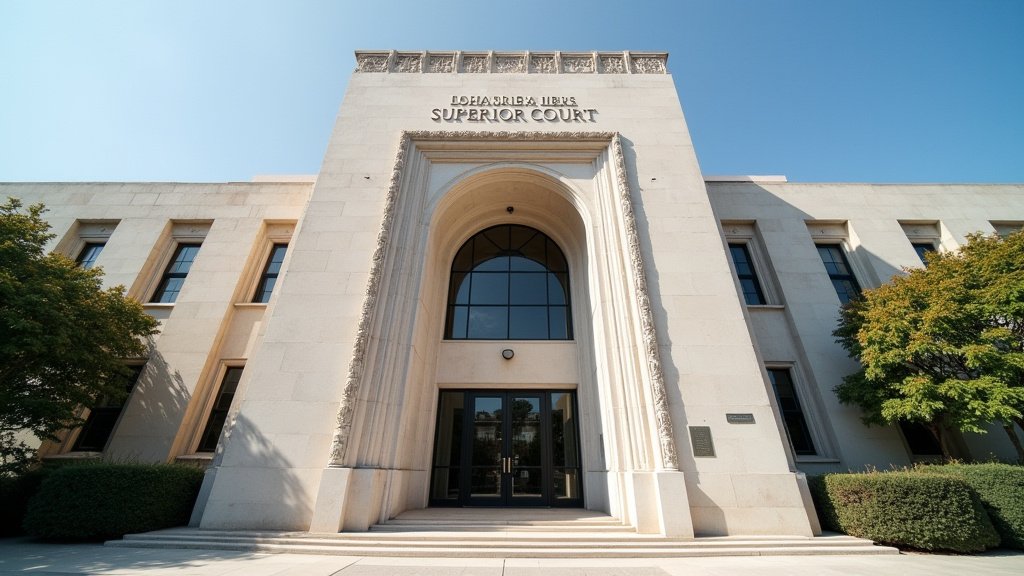
A jury has convicted Nicole Linton, a 41-year-old nurse, of six counts of second-degree murder and six counts of gross vehicular manslaughter for the devastating August 4, 2022, crash in Windsor Hills. The collision, which occurred at a bustling Los Angeles intersection, shocked the community as investigations revealed the defendant was traveling at speeds reaching 130 mph in a 35 mph zone at the moment of impact. The trial, held in the Los Angeles County Superior Court, centered not just on the physics of the catastrophic event, but on the complex legal question of whether Linton was cognizant of her actions or in the grip of a dissociative mental health episode.
Key Highlights
- The Verdict: Nicole Linton was found guilty on all 12 counts, including six counts of second-degree murder and six counts of gross vehicular manslaughter.
- The Incident: On August 4, 2022, Linton’s Mercedes-Benz collided with multiple vehicles at the intersection of Slauson and La Brea Avenues in Windsor Hills at approximately 130 mph.
- The Toll: Six lives were claimed in the crash, including Asherey Ryan, her 11-month-old son Alonzo Quintero, her unborn child, Reynold Lester, Natiesha Lewis, and Marcus Gerren.
- The Defense: Lawyers for Linton argued that she was suffering from a dissociative fugue state and was unable to control her actions, while the prosecution successfully argued that she was aware of her mental health struggles and the dangers of driving.
The Intersection of Tragedy and Accountability
The verdict arrives after a deeply emotional trial that scrutinized the precise moments leading up to the collision. For the victims’ families, the judgment represents a measure of closure in one of the most high-profile and harrowing traffic fatalities in recent Los Angeles history. The prosecution, led by the Los Angeles County District Attorney’s office, meticulously dismantled the defense’s attempt to characterize the crash as a result of an uncontrollable medical emergency.
Analyzing the Prosecution’s Strategy
Central to the conviction was the state’s assertion of implied malice—a key element for a second-degree murder conviction. Prosecutors argued that Linton had a long history of dangerous driving and knew, or should have known, that her mental health conditions made operating a motor vehicle life-threatening. By presenting evidence of her previous accidents and traffic citations, the prosecution successfully demonstrated to the jury that this was not an isolated, unforeseeable event, but rather the culmination of repeated reckless choices. The 130-mph speed, a figure confirmed by crash data recorders, played a pivotal role in the jury’s assessment of ‘conscious disregard for human life.’
The Defense’s Clinical Argument
Conversely, the defense leaned heavily on psychiatric testimony, attempting to paint a picture of a woman suffering from a severe dissociative state. Experts for the defense testified that Linton was experiencing a break from reality at the time of the crash, rendering her incapable of forming the intent required for murder. The defense’s narrative painted the defendant not as a perpetrator of malice, but as a victim of a sudden, debilitating mental health crisis. This argument aimed to reduce the charges to manslaughter, framing the event as a tragic medical incident rather than a criminal homicide. However, the jury’s decision to convict on murder charges indicates a clear rejection of this premise, favoring the prosecution’s evidence regarding her awareness of her capacity to drive safely.
The Human Impact: A Community Devastated
Beyond the courtroom proceedings, the Windsor Hills tragedy left an indelible scar on the community. Asherey Ryan, a 23-year-old mother who was pregnant at the time, died alongside her infant son, Alonzo, and her unborn child. The loss of three generations in a single vehicle struck a chord with the public and served as the moral anchor of the trial. The testimony from the victims’ families throughout the trial provided harrowing insight into the ripple effects of the crash, emphasizing that the consequences of Linton’s actions extended far beyond the asphalt of the intersection. The court heard detailed accounts of the wreckage, which involved multiple vehicles and resulted in a scene described by first responders as apocalyptic.
Historical Context and Legal Precedent
This case sets a significant, albeit sobering, precedent for how the legal system handles ‘medical defense’ claims in vehicular homicide cases. Traditionally, defendants in such scenarios have sought to mitigate culpability by citing medical or psychological episodes—such as seizures, strokes, or fugue states—to negate the ‘malice’ element of murder charges. The conviction here reinforces a strict standard: if a driver is aware of a medical condition that could lead to loss of control, continuing to drive may satisfy the legal requirements for murder if a fatality occurs. This establishes a high bar for future defendants attempting to utilize mental health defenses in reckless driving trials, highlighting the judiciary’s increasing focus on the responsibility of the driver to self-regulate when health factors are present.
Future Outlook and Societal Impact
As urban centers grapple with rising concerns over traffic safety and extreme speeding, the Linton verdict serves as a cautionary tale for both the public and medical professionals. The case has sparked broader conversations regarding the protocols for medical licensing and the self-reporting requirements for patients with conditions that impair cognitive or motor function. While the verdict brings this specific chapter to a close, the societal discussion regarding the interplay between personal responsibility, mental health management, and public safety in an automotive-centric society is likely to continue for years to come. The Los Angeles judicial system has signaled, through this verdict, that the speed and scale of a collision, when paired with a history of known risk, will not be excused by claims of cognitive disconnection.
FAQ: People Also Ask
1. What was the specific charge for Nicole Linton?
Nicole Linton was convicted of six counts of second-degree murder and six counts of gross vehicular manslaughter. The jury determined that her actions met the legal threshold for implied malice.
2. How fast was the car traveling at the time of the collision?
Investigation reports presented during the trial confirmed that the vehicle was traveling at approximately 130 mph in a zone posted for 35 mph.
3. Did the defense successfully prove she was having a medical episode?
While the defense presented experts to argue that Linton was in a ‘fugue state’ during the crash, the jury ultimately rejected this argument, finding that she understood the risks she was taking by driving.
4. What is the significance of the ‘implied malice’ ruling in this case?
Implied malice is crucial for second-degree murder charges. It means the jury found that Linton acted with a conscious disregard for human life, effectively knowing that her conduct was likely to kill, and choosing to proceed anyway.