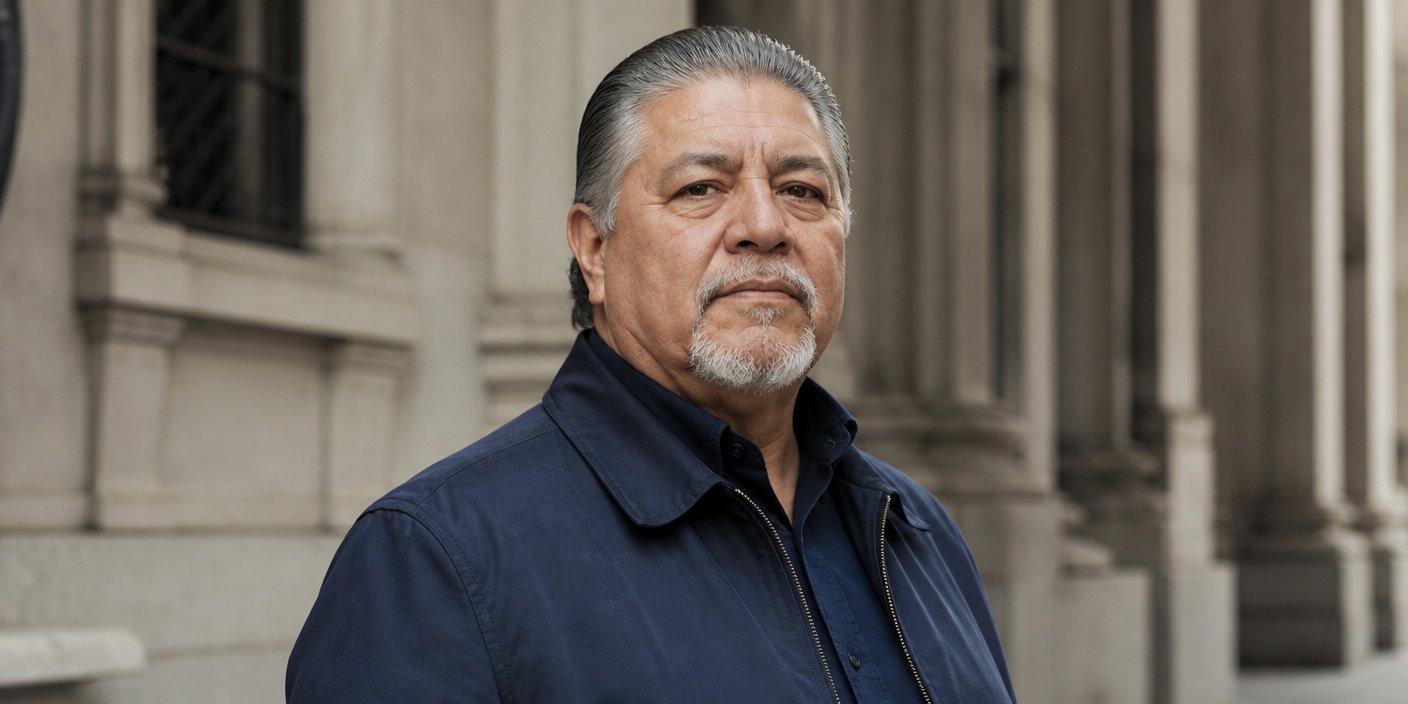
Federal prosecutors have officially moved to dismiss all criminal charges against Service Employees International Union (SEIU) labor leader David Huerta, closing a legal saga that began following his arrest in June 2025. Huerta, who faced legal action after documenting an Immigration and Customs Enforcement (ICE) raid in Los Angeles, has maintained his innocence throughout the proceedings. The dismissal marks a pivotal conclusion to a case that sparked debate over the rights of labor advocates to observe and record government enforcement activities in public spaces.
Key Highlights
- Charges Dropped: The Department of Justice (DOJ) has formally moved to dismiss all pending charges against SEIU labor leader David Huerta.
- Originating Incident: The legal proceedings stemmed from an arrest in June 2025, during which Huerta was present at an ICE enforcement operation in Los Angeles.
- Advocacy Context: Huerta’s presence at the scene was characterized by his defense as an act of documenting potential labor and human rights violations during the raid.
- Legal Precedent: This dismissal concludes the immediate case, though it leaves open questions regarding the intersection of labor activism and federal enforcement observation.
A Conclusion to the June 2025 Legal Battle
The decision to dismiss the charges against David Huerta represents a significant shift in the federal government’s posture regarding the June 2025 incident. Prosecutors, in their filing, cited a review of the evidence and existing policy guidelines surrounding federal enforcement operations. The arrest, which occurred during a high-profile ICE operation in Los Angeles, had initially drawn sharp criticism from labor organizations and civil liberties groups who argued that the government was overstepping by restricting the observation of federal agents in the field. Huerta, a prominent figure within the SEIU, had become a focal point for the broader labor movement’s stance on immigration enforcement within the workplace.
The Mechanics of the Dismissal
Legal experts note that federal prosecutors generally retain broad discretion to dismiss cases when they determine that the evidentiary threshold for a conviction has not been met or when the prosecution is no longer in the interest of justice. In this instance, the motion to dismiss the charges against Huerta appears to follow a thorough review of the video footage and witness statements collected on the day of the raid. While the specific legal reasoning detailed in the motion remains focused on procedural and evidence-based factors, the outcome is a clear victory for Huerta’s legal defense team, which had argued from the outset that the labor leader was engaged in protected, peaceful activity.
The Intersection of Labor Activism and ICE Operations
One of the secondary angles of this story involves the evolving relationship between labor unions and immigration enforcement agencies. In Los Angeles, where union density is significant and immigration concerns are frequent, labor leaders often act as monitors to ensure that enforcement operations do not devolve into labor rights violations. The arrest of a figure as prominent as Huerta raised questions about whether federal agents would seek to systematically exclude labor observers from sites of enforcement. With the charges now dismissed, the precedent serves to clarify—or at least emphasize—that labor representatives have a significant stake in observing federal actions that impact workplaces, even if that presence creates friction with law enforcement.
Impact on the Broader SEIU Agenda
The SEIU has utilized this case to galvanize its membership, framing the initial charges as an attempt to chill labor advocacy and discourage the documentation of workplace raids. For the union, the dismissal is not merely a personal win for Huerta but a systemic validation of the strategy to maintain an on-the-ground presence during times of instability. The organization is expected to continue its policy of monitoring government enforcement actions, potentially emboldened by the failure of the federal government to secure a conviction in this high-profile instance. The political ramifications within Los Angeles are equally significant, as local elected officials who had pressured the DOJ to drop the charges now have a tangible outcome to point toward.
Future Implications for Activist Documentation
Looking forward, the dismissal raises questions about the future of civilian observation during federal raids. While this specific case has ended, the legal framework governing what constitutes “obstruction” versus “peaceful observation” remains murky. Activists and legal observers will likely study this outcome to determine how to better protect themselves while documenting similar events in the future. The DOJ’s choice to drop the case may prevent the establishment of a adverse legal precedent that could have been used to prosecute other observers, thus effectively keeping the status quo in place—a outcome that many civil rights groups are viewing as a de facto win for free speech and oversight in public spaces.
FAQ: People Also Ask
Why were the federal charges against David Huerta dismissed?
The federal government filed a motion to dismiss the charges after conducting a review of the evidence. While the DOJ did not provide exhaustive public commentary, such decisions are typically made when prosecutors determine that the evidence does not support a conviction or that continuing the prosecution is no longer in the interest of justice.
What was the original incident in June 2025?
In June 2025, David Huerta, an SEIU labor leader, was arrested in Los Angeles while he was documenting an ICE enforcement operation. The arrest led to immediate controversy, with the union arguing that Huerta was acting within his rights to observe federal activity in a public or semi-public space.
What does this dismissal mean for labor leaders?
This dismissal serves as a significant relief for the SEIU and other labor organizations that monitor government enforcement actions. It prevents a negative judicial precedent that could have otherwise criminalized the act of documenting federal raids, effectively maintaining the current environment for labor advocacy.