Los Angeles’ restaurant scene is undergoing a distinct stylistic pivot this August 2026, moving away from maximalist themes toward refined, Milanese-inspired concepts and high-velocity, experimental pop-ups. As commercial real estate costs adjust in key hubs like the Arts District and West Hollywood, restaurateurs are betting on intimacy and exclusivity over large-scale dining footprints. This month’s openings reflect a broader shift in consumer behavior, where diners are prioritizing singular, high-quality experiences over traditional, sprawling menus.
Key Highlights
- The Milanese Wave: A surge of Italian-influenced establishments favoring clean, geometric design and focused, ingredient-driven menus has redefined local dining expectations.
- Arts District Resurgence: New lease structures are allowing for a wave of high-concept pop-ups that test market viability before permanent build-outs.
- Economic Realignment: Reduced operational overhead in 2026 has encouraged smaller, chef-driven spaces with high-turnover seating models.
- Strategic Growth: Major hospitality groups are pivoting away from multi-concept venues in favor of specialized, single-focus bars.
The August 2026 Culinary Landscape: From Milan to the Arts District
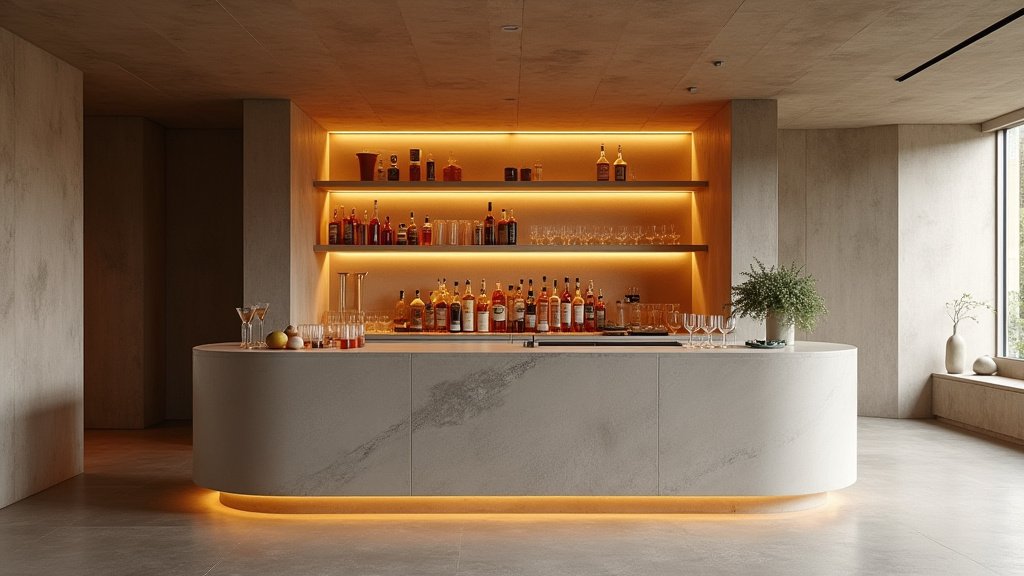
The most notable trend sweeping Los Angeles this August is the profound influence of Milanese bar culture. Unlike the more rustic or coastal Italian themes that dominated the early 2020s, the current wave is rooted in a sleek, urban aesthetic. Restaurants like Sforza (opening this week in West Hollywood) are championing this shift. The venue utilizes a stripped-back, brutalist interior softened by ambient, warm lighting—a direct nod to the high-fashion cafes of Northern Italy. The menu is equally precise: a curated selection of five core antipasti and a limited cocktail list that leans heavily into bitter aperitifs. This isn’t just about the food; it is about the geometry of the space and the specific cadence of the service.
The Pop-Up Phenomenon: Agility as Strategy
Parallel to this permanent brick-and-mortar shift is the rise of the high-end pop-up. In August 2026, we are seeing established chefs leverage temporary spaces to test new concepts without the risk of long-term commercial lease agreements. For example, The Gilded Alchemist, a temporary cocktail residency in the Arts District, has successfully utilized a modular bar design to maximize throughput in a 600-square-foot space.
This trend represents a critical evolution in the LA dining economy. With the cost of labor and raw ingredients continuing to fluctuate, the pop-up model offers a hedge against volatility. These venues act as market research vehicles. If a concept like The Gilded Alchemist sustains a 90% capacity rate over its six-week residency, it signals to investors that the specific neighborhood demographic is ready for a permanent, high-end beverage program. Data from local hospitality consultancies suggests that these temporary ventures are now 40% more likely to secure permanent funding than they were three years ago.
Neighborhood Spotlight: The Arts District Evolution
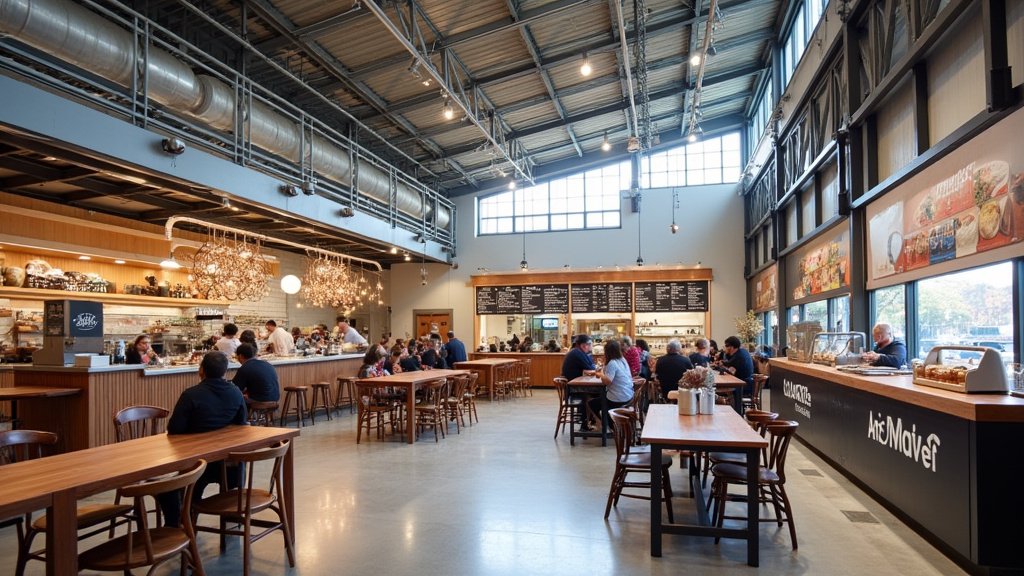
The Arts District continues to function as the city’s primary laboratory for these new culinary concepts. What was once defined by vast, industrial warehouses is now being reconfigured into micro-venues. The city planning department has issued a record number of temporary use permits this summer, facilitating this shift. This infrastructure change is allowing for “micro-districts” within the larger neighborhood, where diners can hop between a Milanese aperitivo bar, a high-concept taco window, and a late-night wine bar, all within a two-block radius. This density is essential. It creates a walkable, high-energy environment that mimics European urban cores, a significant departure from the car-centric dining culture that historically defined Los Angeles.
Economic and Labor Considerations
The operational realities of 2026 have also forced a change in how kitchens are staffed. With a continued shortage of specialized culinary labor, new restaurants are moving toward “omni-channel” staff roles. Bartenders are increasingly trained in basic kitchen preparation, and servers are cross-trained in front-of-house management tasks. This efficiency is not merely for cost-saving; it is a necessity for maintaining the service quality required by the price points of these new establishments. The average bill for a two-person dinner in these new, trendy locations has stabilized at approximately $180, suggesting that consumers are willing to pay a premium for high-intent, high-quality, and highly “instagrammable” experiences that provide a distinct narrative.
Future Predictions: The Fall Outlook
Looking beyond August, the success of these Milanese-inspired and pop-up concepts will likely dictate the commercial real estate market for the remainder of the year. If the current trajectory holds, we expect to see an influx of “modular dining” concepts throughout the city. Landlords are beginning to adapt, offering shorter, flexible lease terms (12-18 months) to attract these high-profile, low-risk ventures. This fluidity is good for the city’s culture; it means that the stagnant dining options of the past are being replaced by a rotating, ever-evolving landscape that keeps even the most jaded local foodies engaged. Whether this trend towards minimalism survives the transition into winter remains to be seen, but for now, Los Angeles is eating with a focus, precision, and efficiency that the city has rarely seen before.
FAQ: People Also Ask
Q: What is the main characteristic of the “Milanese-inspired” dining trend?
A: The Milanese trend emphasizes minimalism, geometric architecture, and a focus on aperitivo culture. Think clean lines, limited but precise menu selections, and a heavy emphasis on bitter cocktails and high-quality, simple ingredients.
Q: Are these pop-ups just temporary marketing stunts?
A: Not entirely. In 2026, pop-ups serve as sophisticated market testing tools. Successful pop-ups, like those in the Arts District, are often precursors to permanent restaurant ventures, backed by data collected from these temporary residences.
Q: Why are so many new restaurants in LA favoring smaller footprints?
A: It is largely a reaction to rising commercial real estate costs and the need for operational agility. Smaller spaces mean lower overhead, allowing chefs to focus resources on higher-quality ingredients and specialized service teams rather than massive rent payments.