As the dog days of summer hit the West Coast, the Los Angeles fashion ecosystem is undergoing a dramatic shift, proving that the city remains the global epicenter of experimental design. August 2026 retail openings are moving beyond the traditional storefront model, prioritizing narrative-driven collections that marry high-concept art with functional, everyday luxury. This month, the focus is squarely on two titans of the local scene: the evolution of Gallery Dept. into the optical sphere and a masterclass in circular fashion from Greta Garmel.
Key Highlights
- Gallery Dept. Enters Optics: Founder Josué Thomas launches the brand’s inaugural eyewear collection, blending industrial utility with avant-garde aesthetics.
- Sustainable Innovation: Designer Greta Garmel debuts her latest collection, strictly utilizing deadstock materials to minimize environmental impact.
- The NEAL Collaboration: A strategic partnership between Greta Garmel and NEAL introduces new textures to the deadstock market, signaling a shift toward collaborative sustainability.
The Resurgence of Californian Craft: A Mid-Summer Retail Outlook
The Los Angeles fashion scene has long been defined by its tension between high-octane luxury and the gritty, repurposed aesthetics of the street. August 2026, however, marks a maturity point for this dialectic. As consumer appetites shift toward pieces that tell a story, major local players are pivoting their creative output toward categories that demand precision and tactile quality—namely, eyewear and high-end reclaimed materials. This shift is not merely about product expansion; it is an economic indicator of a market maturing toward intentional, long-term investments rather than fast-fashion turnover.
Josué Thomas and the Architecture of Sight
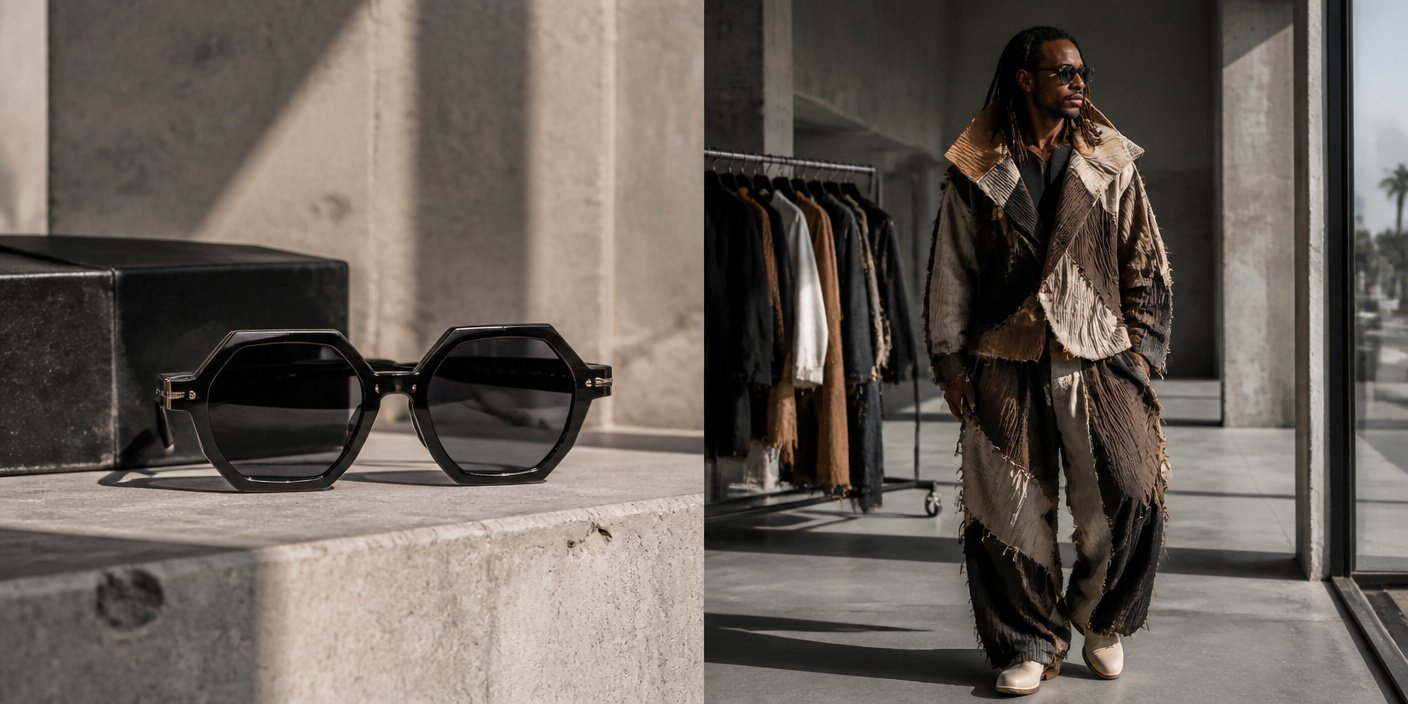
Perhaps the most anticipated move in the August 2026 calendar is the debut of Gallery Dept.’s first-ever eyewear collection. Josué Thomas, the creative force behind Gallery Dept., has spent years crafting a visual language that feels both nostalgic and futuristic. The transition into eyewear is a natural evolution for a brand that treats clothing as a canvas.
Industry insiders note that the collection, which dropped mid-August, emphasizes geometric frames and artisanal craftsmanship. Unlike mass-market optical launches, Thomas has opted for a small-batch distribution model, forcing a level of exclusivity that aligns with the brand’s history of limited releases. For investors and collectors, this move signifies more than just a new SKU; it is the solidification of Gallery Dept. as a lifestyle house capable of competing with legacy European fashion houses on their own terms.
The Circular Economy: Greta Garmel and NEAL
While Gallery Dept. explores the refined precision of optical hardware, designer Greta Garmel is taking a different, yet equally vital, approach to the August retail landscape. Her latest collection, released this week, is a testament to the viability of the circular economy. Garmel has built her reputation on the meticulous sourcing of deadstock materials—fabrics that would otherwise end up in landfills—and transforming them into high-fashion garments.
Her new collection is defined by its collaboration with NEAL, an up-and-coming production studio known for its technical construction methods. By fusing Garmel’s eye for silhouette with NEAL’s structural expertise, the collection manages to make repurposed polyester and salvaged cotton feel architectural and elevated. This partnership highlights a growing trend in Los Angeles: independent designers are beginning to band together to solve the logistical and financial hurdles of sustainable manufacturing. By sharing resources and technical know-how, Garmel and NEAL are proving that “sustainable” does not have to mean “simplistic.”
Economic Implications and Future Predictions
The intersection of these two stories reveals a broader truth about the health of the LA fashion market. We are seeing a decentralization of the traditional retail model. Instead of relying on massive seasonal runways, designers are leveraging specific, high-impact launches to capture attention in a saturated digital market.
Looking toward the end of 2026, we anticipate that eyewear and sustainable manufacturing will be the primary battlegrounds for mid-tier luxury brands. The success of the Gallery Dept. launch will likely spur a wave of other streetwear-adjacent brands to explore accessories as a high-margin, low-inventory entry point. Meanwhile, the Greta Garmel and NEAL collaboration sets a template for how designers can effectively market environmental consciousness without sacrificing the desirability of the final product. As we move deeper into the second half of the year, these developments suggest a market that is increasingly valuing the ‘how’ and ‘where’ of manufacturing as much as the final design.
FAQ: People Also Ask
Q: What makes the Greta Garmel and NEAL collaboration significant?
A: It represents a successful marriage of high-end design aesthetics with practical circular economy production. By utilizing NEAL’s technical production capabilities, Garmel is able to scale her use of deadstock materials, proving that sustainable fashion can be both scalable and aesthetically sophisticated.
Q: Is the Gallery Dept. eyewear collection available widely?
A: No. In keeping with Josué Thomas’s brand strategy, the collection is launching with limited availability, emphasizing the ‘drop’ model that Gallery Dept. has become famous for. Collectors should check authorized retailers and the official Gallery Dept. channels for availability.
Q: How are August 2026 retail trends in Los Angeles differing from previous years?
A: Unlike previous years, which saw a surge in massive, multi-brand experiential retail spaces, August 2026 is defined by product-focused innovation. Designers are prioritizing long-term brand equity through specialized launches, such as high-end accessories and material-first garment construction.