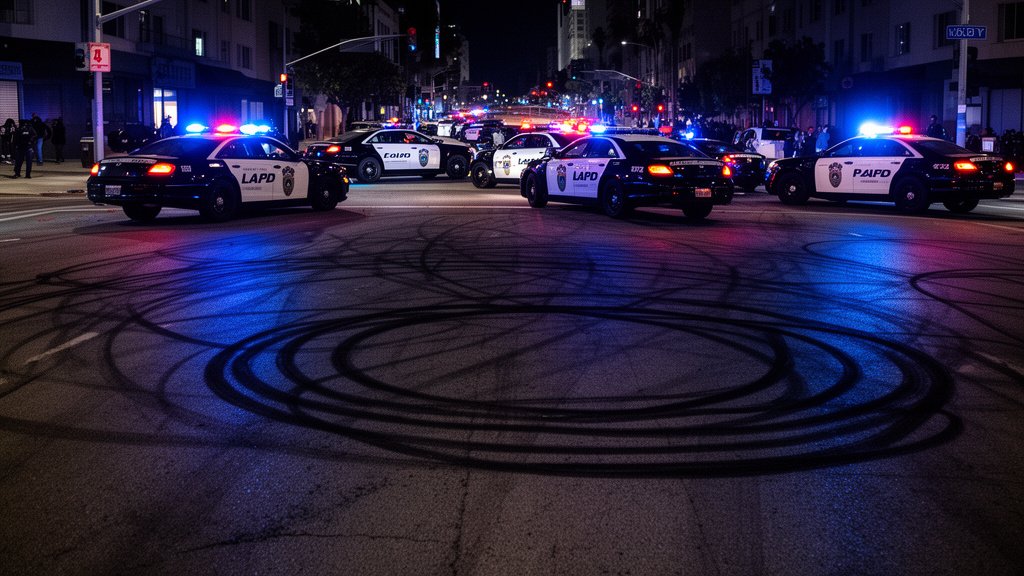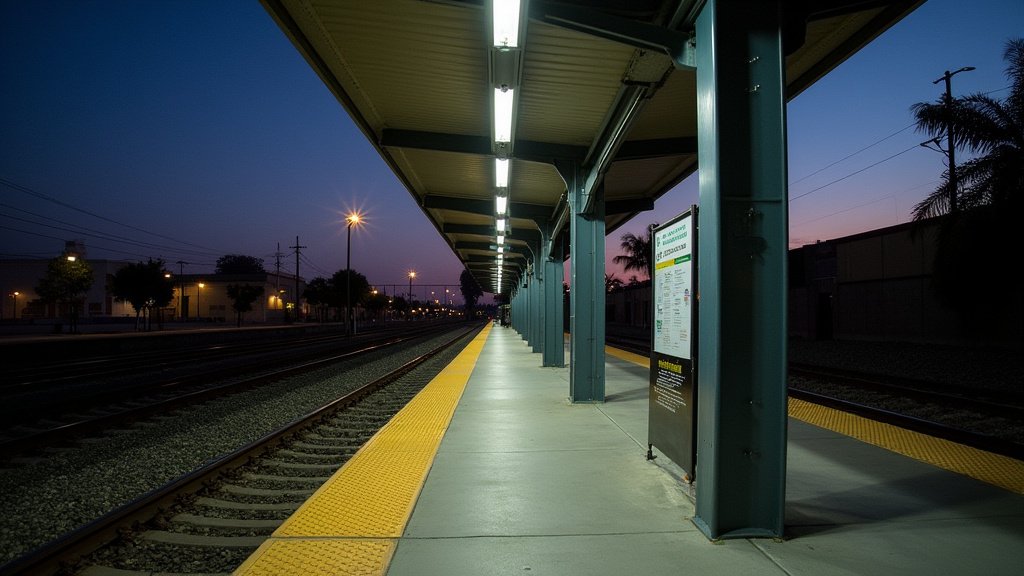
A violent altercation on a Metrolink platform in the Sylmar neighborhood of Los Angeles has left one man dead, prompting a widespread investigation by the Los Angeles Police Department (LAPD) as authorities search for a suspect who fled the scene on a bicycle. The incident, which unfolded late Saturday evening, has sent shockwaves through the local transit community and raised immediate questions regarding security protocols at regional rail hubs.
Key Highlights
- Victim identified as a man in his 30s; investigation is ongoing.
- Incident occurred at the Sylmar/San Fernando Metrolink station located at 12658 San Fernando Road.
- The suspect fled the scene immediately following the stabbing using a bicycle, complicating pursuit efforts.
- LAPD officials are currently reviewing surveillance footage from the transit platform and surrounding businesses to track the assailant’s route.
Anatomy of a Transit Tragedy: Investigating the Sylmar Incident
The tranquility of a Saturday evening at the Sylmar/San Fernando Metrolink station was shattered when a verbal dispute escalated into a fatal stabbing. While the Southern California Regional Rail Authority (SCRRA) and local law enforcement typically maintain robust security measures, this event highlights the persistent vulnerabilities inherent in open-access transit environments. The LAPD responded to the scene following reports of a man in his 30s suffering from critical stab wounds. Despite immediate emergency response efforts, the victim was pronounced dead at the scene.
The Investigative Hurdle: Pursuit of a Mobile Suspect
One of the most complex aspects of this investigation is the nature of the suspect’s escape. Law enforcement sources confirm that the perpetrator fled the immediate area on a bicycle. In urban environments like the San Fernando Valley, this creates a distinct tactical challenge for investigators. Unlike suspects fleeing in automobiles—who can be tracked via license plate readers and traffic cameras—a suspect on a bicycle can navigate through residential alleys, parks, and pathways that are inaccessible to patrol cruisers. This mobility advantage necessitates a shift in investigative focus, requiring detectives to rely heavily on doorbell cameras, commercial surveillance, and community-sourced tips rather than traditional traffic monitoring technology.
Transit Security and the Evolution of Safety Protocols
The Sylmar/San Fernando station is a critical node in the regional network, serving commuters who rely on Metrolink for daily travel to and from Los Angeles. This tragedy forces a broader conversation regarding the efficacy of transit security. Following the incident, transit authorities have increased patrols in the vicinity. However, balancing the need for an open, accessible public transit system with the imperative of rider safety remains a central tension for the SCRRA. Modern transit safety increasingly relies on a layered defense: integrated surveillance systems, visible security presence, and inter-agency cooperation between Metrolink security and the LAPD. Investigators are currently scrubbing hours of digital footage to determine if the altercation was a targeted attack or a random act of violence, a distinction that will significantly alter the nature of the manhunt.
Community Impact and the Psychological Toll
Beyond the logistical challenges of the investigation, the incident has cast a long shadow over the Sylmar community. Commuters who utilize this platform frequently have expressed apprehension, as public transit hubs are spaces of high throughput and perceived vulnerability. When a violent crime occurs in a place meant for daily passage, it disrupts the perceived contract of safety for the transit-riding public. Local community leaders are expected to meet with LAPD precinct captains in the coming week to discuss infrastructure improvements, such as enhanced lighting, increased emergency call-box availability, and potential modifications to the station’s ingress and egress points to better control pedestrian flow during late-night hours. As the investigation progresses, the focus remains on securing justice for the victim while simultaneously reassuring the thousands of daily riders that their safety remains a top-tier priority for municipal and regional leadership.
FAQ: People Also Ask
Q: Has the suspect been identified by the LAPD?
A: As of the latest update, the LAPD has not released the identity of the suspect. They are currently analyzing forensic evidence and surveillance footage to develop a clear description of the individual who fled on the bicycle.
Q: Is the Sylmar/San Fernando Metrolink station currently closed?
A: Following the crime scene investigation, transit operations have largely resumed. However, Metrolink and local authorities have advised commuters to remain vigilant and report any suspicious activity to station security or via 911.
Q: How can witnesses provide information to the police?
A: Law enforcement is urging anyone with information, or those who may have been in the vicinity of 12658 San Fernando Road on the night of the incident, to contact the LAPD’s Valley Bureau homicide division or utilize anonymous tip lines provided by the city.
Q: Does Metrolink have cameras on the platforms?
A: Yes, the Southern California Regional Rail Authority maintains surveillance systems at various stations. Investigators are working to retrieve and synthesize this footage to track the movements of both the victim and the suspect leading up to the confrontation.