For over a decade, the Los Angeles style identity was anchored by a singular, immovable constant: athleisure. From the ubiquitous yoga pant to the oversized hoodie, the West Coast was synonymous with a relaxed, fitness-focused aesthetic. However, a seismic shift is underway. Recent style reports, notably from fashion authorities like Who What Wear, have identified a definitive evolution in the LA wardrobe. The city is moving beyond the performative casualness of the 2010s toward a more deliberate, structured, and inherently chic mode of dressing. This transition does not discard comfort; rather, it elevates it, replacing generic staples with architectural silhouettes that suggest a new level of metropolitan maturity.
The Shift Toward Structure
The most notable change in the Los Angeles fashion landscape is the rejection of “flat” styling. For years, the prevailing trend favored garments that prioritized ease of movement above all else. Today, local style observers note that Angelinos are embracing structural tension in their outfits. This is evidenced by the resurgence of the peplum jacket and the strategic use of high-V necklines. These items represent a departure from the “gym-ready” ethos, signaling a desire for garments that create shape rather than merely covering the body. The goal is no longer to look like one is heading to a Pilates class, but rather to look ready for a gallery opening in Silver Lake or a high-stakes meeting in Century City.
The Peplum Renaissance
The peplum silhouette, often maligned in the mid-2010s as a fad, has returned to LA with a modern, sophisticated edge. Unlike its predecessors, which were often overly tight or constructed from synthetic, low-quality fabrics, the 2024-2025 iteration focuses on high-quality textiles like wool, structured cotton, and even heavy linens. It serves as a necessary anchor for the LA silhouette, providing waist definition that acts as a visual counterbalance to the baggy, wide-leg denim that continues to dominate the street-style scene. By pairing a structured peplum with relaxed-fit denim, the wearer achieves a balance between femininity and ease—a true hallmark of modern West Coast style.
The High-V Revolution
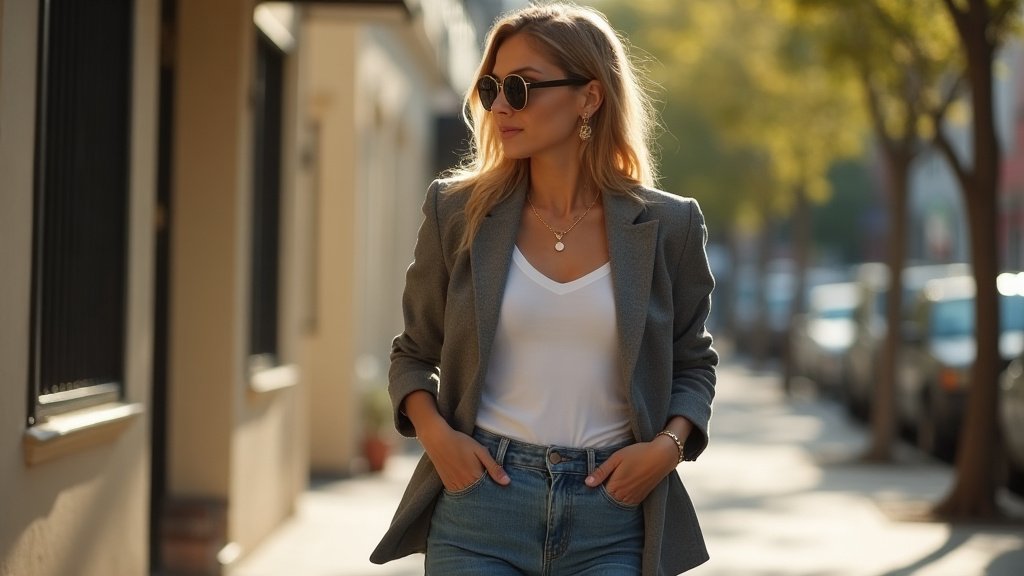
Another subtle but profound change is the elevation of the basic t-shirt. The crew neck, a staple of the athleisure uniform, is increasingly being replaced by the high-V neckline. This design choice is not merely an aesthetic preference; it is a tactical one. The high-V elongates the neck and provides a cleaner canvas for layering gold jewelry—a staple in the LA fashion diet. It offers a sharper, more deliberate look than the slouchy tees of the past. When paired with high-waisted trousers or vintage-wash denim, the high-V tee creates an effortless, yet intentionally styled, appearance that transitions seamlessly from brunch in Venice to dinner in West Hollywood.
Tailoring vs. Tracksuits
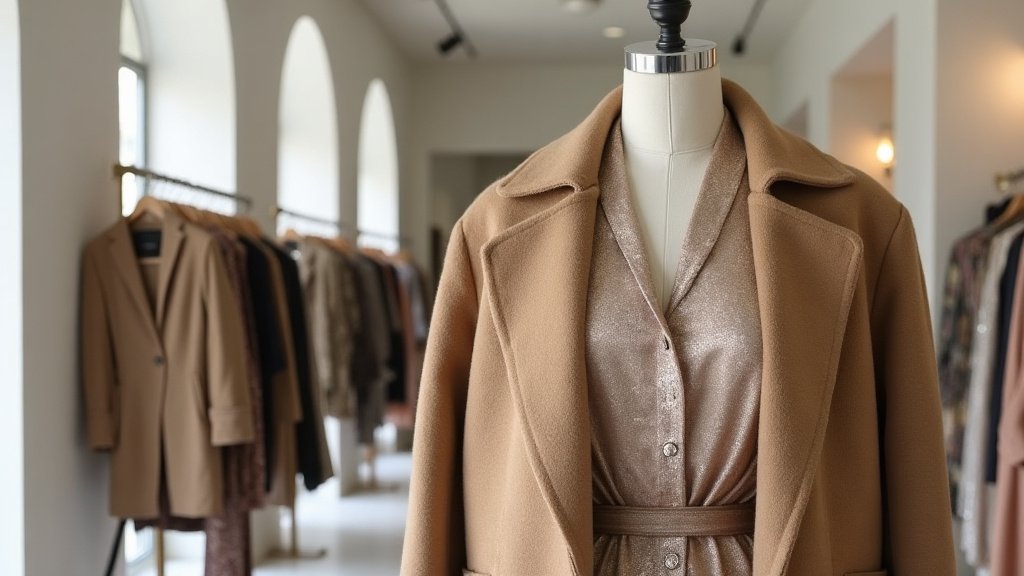
Perhaps the most significant economic and cultural impact of this trend is the “tailoring takeover.” As the hybrid work model continues to define the Los Angeles professional landscape, the line between “workwear” and “weekend wear” has effectively dissolved. The tracksuit has been supplanted by the oversized blazer and the tailored trouser. This is not the stuffy corporate suiting of the past, but a relaxed tailoring that prioritizes fluid movement. It is an investment-focused approach to fashion. Where athleisure items were often treated as disposable, this new generation of staples—the structured jacket, the perfectly tailored pant—encourages longevity, reflecting a broader consumer trend toward sustainability and the “quiet luxury” movement. By investing in better silhouettes, the LA shopper is opting for a wardrobe that endures, rather than one that trends for a season and fades.
The Vintage-Leather Factor
A critical secondary angle to this evolution is the role of vintage culture in Los Angeles. The city remains a global epicenter for high-end thrifting and vintage curation. As these new staples—the peplum, the loafer, the structured jacket—gained traction, they did not arrive in a vacuum. They were heavily influenced by the influx of vintage leather outerwear circulating in boutiques from Melrose to Abbot Kinney. The modern LA uniform is rarely “new.” It is almost always a mix: a crisp new high-V tee worn underneath a weathered, 1990s-era leather blazer. This juxtaposition is the secret sauce of the current LA look; it acknowledges the past while dressing for the present.
FAQ: People Also Ask
Q: Is athleisure completely dead in Los Angeles?
A: Not at all. Athleisure is evolving. It is no longer the default “uniform” for every situation, but rather relegated to actual athletic activities or extremely casual environments. The current trend is about incorporating elements of polish—like structured blazers or loafers—into what was previously a strictly casual wardrobe.
Q: What is the best way to style a peplum top in 2025?
A: To avoid looking dated, pair a structured peplum top with loose, wide-leg denim or tailored trousers. The key is contrast; since the top provides structure, the bottom should offer volume or a relaxed, flowing fit to keep the look modern and grounded.
Q: Why are high-V necklines trending over crew necks?
A: High-V necklines provide a more sophisticated, elongated silhouette that naturally frames the face and neck. They are currently favored because they elevate simple outfits, making them look intentional and “styled” rather than thrown together.
Q: How does this trend impact sustainable fashion?
A: The shift toward structured, higher-quality staples is inherently more sustainable than the fast-fashion athleisure cycle. By prioritizing well-made pieces that are intended to last, consumers are moving away from the “buy-and-discard” culture, which is a major win for the circular fashion economy.