As we navigate the latter half of 2026, the consumer technology landscape is undergoing a fundamental metamorphosis. No longer defined simply by the silicon we hold or the screens we tap, the industry is pivoting toward an era of ‘invisible integration.’ Fast Company’s latest assessment of the 2026 tech horizon highlights a shift where the boundary between hardware and physical human lifestyle is not just blurring—it is dissolving entirely.
Key Highlights
- Hands-Free Evolution: Wearable technology, particularly in footwear, is moving beyond step-counting to active biomechanical support and hands-free lacing systems that utilize haptic sensor arrays.
- Hardware-Integrated Creative Software: Major creative suites are now natively fused with proprietary hardware, creating a ‘zero-latency’ environment for digital creators that mimics physical interaction.
- The Rise of Ambient AI: Technology is shifting from active request-based usage to ambient sensing, where environments anticipate user needs based on physiological patterns rather than voice commands.
- Sustainable Material Science: The consumer tech sector is aggressively integrating circular-economy materials, with 2026 hardware increasingly built from high-durability, regenerative composites.
The Seamless Era: Hardware as an Extension of Self
For the past decade, consumer tech was defined by the ‘screen time’ debate. In late 2026, the conversation has moved to ‘integration time.’ The central theme of this year’s innovation cycle is the removal of friction. The hardware we use is becoming an extension of our biological and creative intent, rather than a tool we must operate.
The Biomechanical Leap in Footwear
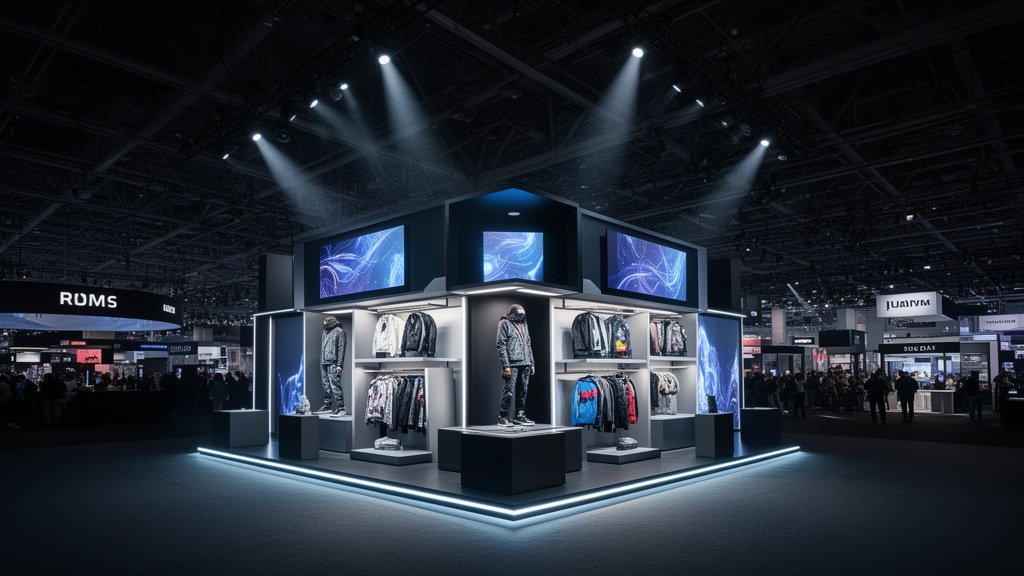
One of the most surprising yet pivotal developments of 2026 is the advancement in adaptive, hands-free footwear. This isn’t merely about convenience; it is about the integration of micro-sensor arrays into everyday apparel. These systems use pressure-mapping technology to adjust the fit and support of the shoe in real-time based on the user’s gait and terrain. By shifting the complexity from the user (who previously had to tie laces or adjust straps) to the hardware (which dynamically adapts), we are seeing the first true wave of ‘smart-apparel’ that serves a functional, health-oriented purpose rather than a gimmicky one.
Hardware-Integrated Creative Ecosystems
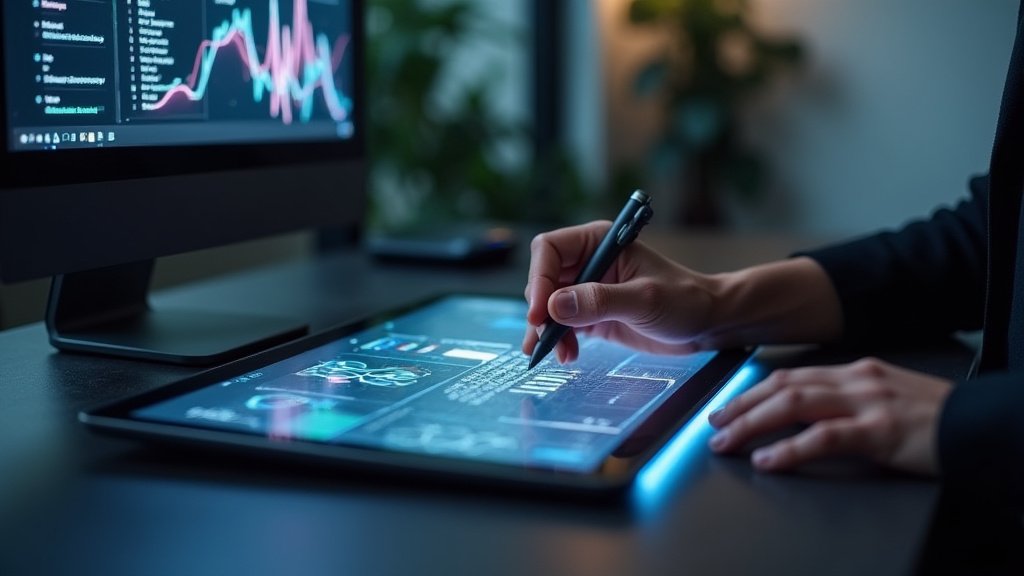
Digital creators have long complained about the bottleneck between thought and execution. In 2026, we are witnessing the solidification of the ‘hardware-integrated software’ model. Companies like Adobe, in partnership with next-gen silicon manufacturers, have developed creative tablets and workstations where the software instructions are hard-coded into the chip architecture. This results in what industry insiders call ‘zero-latency’ processing. For the average user, this means that heavy-duty video rendering or 3D modeling feels as fluid and responsive as sketching on paper with a charcoal stick. The separation between the creative tool and the artist is rapidly disappearing.
The Psychological Impact of Frictionless Living
The psychological impact of this technological shift cannot be overstated. When technology anticipates need—whether it’s adjusting shoe fit or rendering a 3D asset in real-time—it reduces the cognitive load on the user. This is not just a productivity gain; it is a fundamental change in how we relate to our environment. We are moving away from the ‘Active Command’ paradigm (where we must tell the device what to do) to an ‘Ambient Intent’ paradigm (where the device understands the context of our actions).
Economic Shifts in Manufacturing
From an economic perspective, this evolution is forcing a massive restructuring of supply chains. Because these products rely heavily on proprietary sensor integration and advanced bio-materials, manufacturers are shortening their supply chains. We are seeing a move away from ‘off-the-shelf’ component sourcing toward ‘vertical integration,’ where the hardware and the AI that runs it are built in unison. This is creating new economic barriers to entry, favoring large-scale tech conglomerates that can afford the R&D, but it is also driving a higher standard of durability and longevity in consumer goods.
The Future: Beyond 2026
As we look toward 2027, the trends established this year suggest a future where the ‘gadget’ will be an obsolete concept. We will likely transition into a phase where technology is commoditized to the point of invisibility. The challenge for the next 18 months will not be creating more powerful devices, but creating more ‘human’ ones—tech that understands the limitations and requirements of the human body and mind. The innovations of late 2026 are the blueprints for a world where we spend less time managing our tools and more time utilizing them to shape our creative and physical lives.
FAQ: People Also Ask
Q: What is the main differentiator in 2026 consumer tech compared to 2025?
A: The primary difference is the shift from ‘active engagement’ (using devices to perform tasks) to ‘ambient/integrated engagement’ (technology adapting to your environment and physiology without explicit commands).
Q: Are these trends affordable for the average consumer?
A: Currently, these innovations are premium-tier, often seen in flagship products. However, as the manufacturing processes for hardware-integrated software stabilize, we expect these efficiencies to trickle down to mid-range devices by 2028.
Q: What are the main privacy concerns with ‘ambient’ technology?
A: Data privacy is a significant hurdle. As devices begin to ‘sense’ more about our daily habits and biomechanics, the need for on-device, decentralized AI processing—where sensitive biometric data never leaves the user’s hardware—has become a top priority for regulators in 2026.