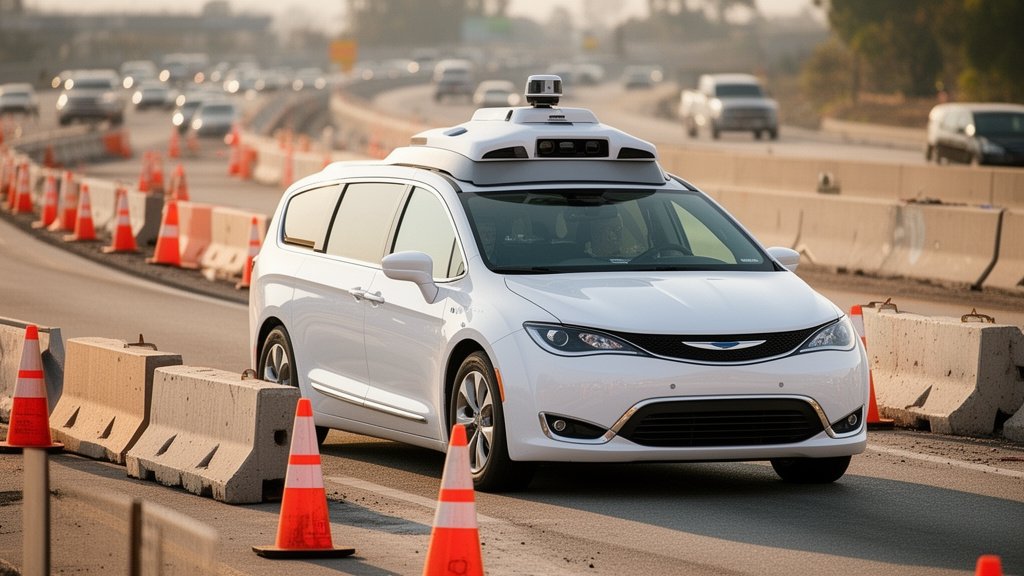
The California Department of Motor Vehicles (DMV) has taken the decisive step of suspending Waymo’s authority to operate its autonomous vehicles on state freeways. This regulatory intervention comes as a direct response to a string of safety incidents involving driverless vehicles navigating construction zones and complex highway traffic control environments. The move represents a significant pivot in the ongoing dialogue between regulators and the autonomous vehicle (AV) industry, prioritizing immediate safety over the rapid acceleration of high-speed testing.
The Regulatory Pivot: Why the DMV Acted
The decision by the California DMV to rescind freeway testing privileges is not a permanent revocation of Waymo’s broader testing licenses, but it is a stern “time-out” for the Alphabet-backed company. Regulators have explicitly cited concerns regarding the vehicles’ inability to consistently interpret and react to nuanced human-operated traffic control systems. In construction zones, where traffic flow is often directed by temporary signage, flaggers, or erratic lane closures, the AI systems reportedly struggled to synthesize visual input with predictive behavioral modeling.
For the California DMV, the mandate is clear: the technology, while advanced, has not yet demonstrated the “human-level” adaptability required for the chaotic nature of highway infrastructure. This action serves as a warning shot to the entire industry that the regulatory environment is hardening. The DMV has demanded that Waymo submit a comprehensive safety remediation plan, detailing exactly how their sensor fusion technology and neural networks will be retrained to handle dynamic traffic control devices before they can petition for the resumption of freeway operations.
Anatomy of the Incidents: Construction and Control Zones
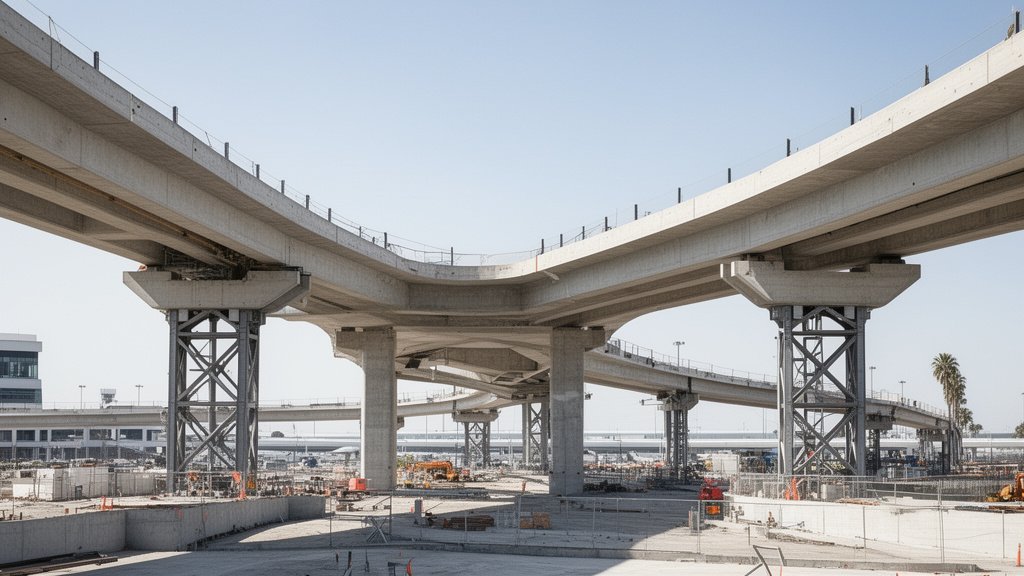
To understand the severity of the ban, one must look at the specific edge cases that triggered the regulatory review. Industry insiders report that there were multiple instances where autonomous vehicles entered lanes clearly marked as closed or attempted to merge into traffic lanes that were physically obstructed by construction barriers.
Unlike city driving, where speeds are lower and vehicle movement is often stop-and-go, freeways present a high-velocity, high-stakes environment. At 65 mph, the margin for error is razor-thin. When an autonomous system encounters a “human-only” traffic control sign—such as a hand-held stop sign held by a construction worker—or an unexpected lane shift, the latency between sensor detection, onboard processing, and actuator response can become a liability. The recent reports suggest that Waymo’s vehicles faced critical confusion when these “real-world” variables clashed with the high-definition map data the cars rely on for navigation. When the physical world (a temporary construction zone) contradicts the pre-mapped world, the AI systems reportedly displayed erratic hesitation or inappropriate maneuvers.
The Technical Hurdle: Why Freeways Pose Unique Challenges
Why are freeways harder than city streets? The answer lies in the complexity of the sensor fusion architecture used by Waymo. While LiDAR, radar, and cameras are highly effective at detecting static objects, they struggle with the intent of human gestures and temporary infrastructure.
On a city street, a car can stop if it is confused. On a freeway, coming to a sudden halt or making a erratic lane change can cause pile-ups. The challenge for Waymo’s engineers is not just identifying objects, but interpreting human intent in high-speed, non-standard traffic patterns. This requires an evolution in machine learning—moving from pattern recognition to true spatial awareness. This technical bottleneck highlights the difference between “Level 4” autonomy, which Waymo is currently operating under, and the elusive “Level 5” full automation that the industry is chasing. The California DMV’s move suggests that until these systems can predict and react to a construction worker’s hand signals or erratic highway traffic patterns with the same reliability as a human driver, their presence on the freeway is premature.
Industry Ripple Effects: The Cost of Caution
This ban sends shockwaves through the broader autonomous vehicle landscape. For Alphabet, the parent company of Waymo, this is a setback in both R&D momentum and public trust. The financial implications are immediate: testing and data gathering on freeways—which provide the most complex datasets for machine learning—are now halted.
Furthermore, this creates a domino effect for other competitors such as Cruise, Zoox, and Tesla. Regulators in other states are likely to look at the California DMV’s precedent as a blueprint. If California can mandate a ban, other states like Arizona or Texas, which have been more permissive, may tighten their own oversight protocols. The industry is now facing a period of intense scrutiny, where “move fast and break things” is no longer an acceptable strategy for autonomous transportation. The roadmap to commercialization just became significantly more expensive, requiring higher investment in safety validation and simulator-based testing before even touching public pavement.
Public Trust and the Road Ahead
Ultimately, the success of autonomous driving hinges on public acceptance. Each incident involving a driverless car acting erratically in a construction zone chips away at the trust necessary for mass adoption. While the proponents of AV technology argue that robots will eventually be safer than human drivers, incidents like these serve as visceral reminders that we are still in the “early adopter” phase.
For Waymo, the path forward requires total transparency. The company will need to work in close collaboration with the California DMV to update its software, perform rigorous off-road testing, and prove that its vehicles can handle the unpredictable chaos of American road work without human intervention. This suspension is not just a technological challenge; it is a test of corporate responsibility. The future of autonomous transportation will not be decided solely in Silicon Valley codebases; it will be decided in the conference rooms of regulatory agencies like the California DMV, where safety, for now, remains the non-negotiable bottom line.
FAQ: People Also Ask
1. Does this ban apply to Waymo vehicles in city streets?
No. The California DMV’s restriction is specifically targeted at freeway operations. Waymo is permitted to continue operating its autonomous ride-hailing services on surface streets, where traffic speeds are lower and the complexity of traffic control environments is different.
2. Is this a permanent ban for Waymo in California?
No, it is a suspension of freeway testing privileges. It is a conditional ban. Waymo can resume these operations once they provide a safety remediation plan that satisfies the DMV’s requirements regarding construction zone detection and highway traffic control responsiveness.
3. What technical issues caused the ban?
Reports indicate that Waymo vehicles struggled with “edge cases” in construction zones, such as interpreting hand signals from human flaggers, recognizing temporary traffic control signs, and navigating around sudden lane obstructions that differed from their pre-mapped data.
4. Will this affect AV development nationwide?
Yes. Because California serves as a primary testing ground for many AV companies, this decision sets a high regulatory bar. Other states are expected to examine the DMV’s criteria and may implement stricter oversight on their own testing programs to avoid similar safety incidents.
5. Can Waymo appeal the decision?
Waymo is currently in discussions with the DMV to address the specific concerns outlined in the suspension. Instead of a traditional legal appeal, the standard procedure in this industry is a collaborative remediation process where the company proves safety upgrades to the regulators to regain their permits.