California’s recent election cycle has delivered a profound message to policymakers in Sacramento and municipal governments alike: the era of blind support for broad-based taxation is over, replaced by a nuanced, transactional approach to fiscal responsibility. As the dust settles on the latest ballot measures, voters have signaled a clear bifurcation in their economic priorities. While broad proposals—specifically those targeting billionaire assets and state-wide wealth accumulation—faced decisive rejection at the polls, voters simultaneously demonstrated a willingness to open their wallets for local services, most notably the approval of a half-cent sales tax in the city of Los Angeles specifically designated for firefighting services. This divergence exposes a critical trend in contemporary California politics: voters are increasingly skeptical of abstract state-level fiscal engineering while remaining deeply committed to the tangible outcomes of localized governance.
The Failure of Abstract Taxation
The rejection of the proposed tax on billionaires’ assets marks a significant moment in the state’s fiscal history. For months, proponents argued that such a levy was a necessary tool to address the state’s budget deficit and fund essential social programs. However, the electorate viewed the measure through a lens of economic anxiety. Inflationary pressures, the high cost of living, and a general distrust regarding how state-level tax revenues are allocated contributed to a ‘no’ vote. When faced with ballot measures that lack immediate, visible accountability or specific earmarks, California voters have become increasingly risk-averse. This sentiment reflects a growing fatigue with ‘revenue-first’ policymaking, where the promise of public benefit is divorced from the reality of day-to-day fiscal management. The rejection suggests that simply identifying a group—in this case, billionaires—as the funding source for a massive state initiative is no longer sufficient to carry a measure over the finish line.
The Local Mandate: Tangibility and Trust
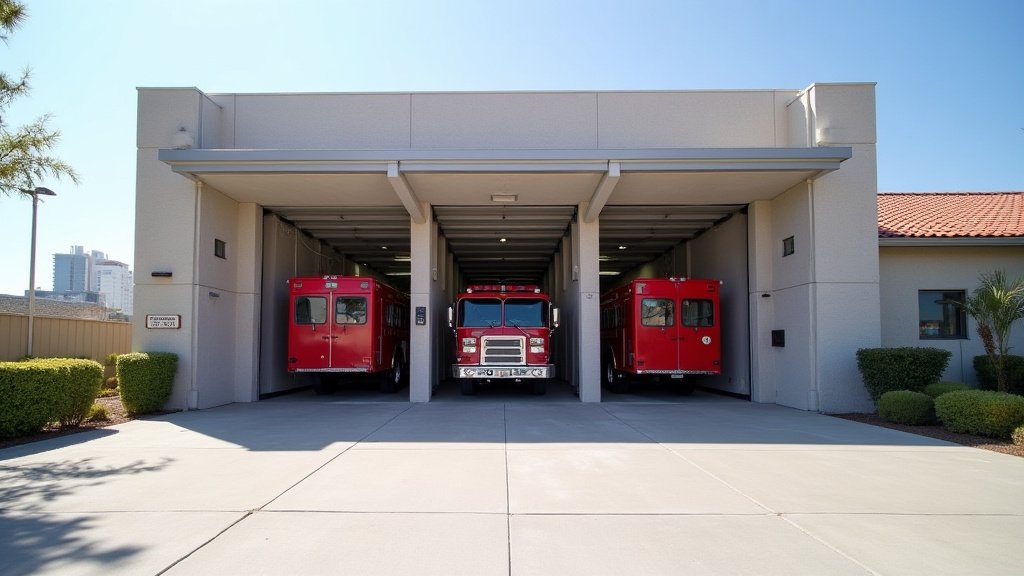
In sharp contrast to the state-wide results, the success of the Los Angeles half-cent sales tax for firefighting services offers a masterclass in how to win voter approval. The measure, which will directly fund the Los Angeles Fire Department, succeeded largely because of its specificity. Voters were not being asked to support a vague, nebulous concept of ‘public welfare’; they were being asked to fund fire trucks, emergency response times, and the training of first responders. This transaction is inherently understood by the public: they see a direct correlation between the tax dollar and the service rendered. When voters can quantify the return on their investment—fewer minutes waiting for a rescue, better-equipped stations, and modernized infrastructure—the barrier to taxation significantly lowers. This serves as a vital signal to other municipalities: transparency and direct service outcomes are the primary drivers of voter approval in the current fiscal climate.
The Psychological Divergence in Voting
There is a psychological divide in how Californians approach the ballot box depending on the scale of the governance. At the state level, the system feels distant, bloated, and prone to mismanagement. Consequently, voters act as a check on power, utilizing the ballot initiative as a way to say ‘no’ to perceived government overreach or inefficient spending. Conversely, at the municipal level, the government feels closer, more accessible, and directly responsible for the safety of the neighborhood. The approval of the firefighting tax demonstrates that when citizens feel they have agency—or at least a direct line of sight to the benefit—they are not inherently anti-tax. They are, however, deeply anti-waste. This nuance is often missed by political analysts who attempt to frame voter sentiment as purely ideological. The data suggests the sentiment is pragmatic rather than partisan.
Economic Implications for Future Initiatives
What does this divergence mean for the future of California’s fiscal policy? First, it necessitates a fundamental shift in strategy for advocacy groups and legislators. Broad-based tax measures that lack strict oversight or dedicated ‘lockboxes’ for revenue are likely to continue failing in the current environment. Any initiative hoping for success in upcoming cycles must be structured with the rigor of a local bond measure. This includes legally binding language that prevents revenue diversion, clear metrics for success, and a localized communication strategy that emphasizes the specific, individual impact of the tax. The failure of the billionaire tax measure should serve as a warning: voters are looking for competence in administration, not just ambitious revenue goals.
Institutional Trust and the Road Ahead
Ultimately, the ‘mixed signals’ sent by the voters are, in reality, a consistent message regarding institutional trust. The state government has not yet convinced the average voter that it can manage new, massive revenue streams without systemic loss. By contrast, local firefighting units have maintained higher levels of public trust, allowing them to secure the funding necessary for modernization. To bridge this gap, state officials must move beyond the ballot box and focus on restoring faith in the existing budget process. Until the state can demonstrate the same level of fiscal accountability that local agencies have successfully championed, it is unlikely that major, controversial tax measures will find favor with an electorate that has clearly signaled its desire for efficiency over ideology.
FAQ: People Also Ask
Q: Why did voters reject the billionaire tax but approve the local firefighting tax?
A: The rejection was driven by a lack of trust in state-level fiscal management and broad economic anxiety, whereas the approval for the firefighting tax was driven by the tangible, localized, and specific nature of the service, creating a direct perceived value for the taxpayer.
Q: What impact does the Los Angeles firefighting tax have on the city budget?
A: The half-cent sales tax provides a dedicated, restricted revenue stream for the Los Angeles Fire Department, allowing for the modernization of equipment, improvements in emergency response times, and increased training for first responders without competing against other city departments for general fund allocations.
Q: Are Californians becoming anti-tax?
A: Not necessarily. The data suggests Californians are ‘anti-waste’ and ‘pro-accountability.’ They are willing to approve taxes when they are confident that the funds will be used efficiently for specific, essential services, but they are increasingly rejecting broad measures that lack such specificity.
Q: Will this trend affect future state-wide ballot initiatives?
A: It is highly likely that future initiatives will be modeled more closely after local measures, incorporating strict spending limitations and clear, demonstrable service outcomes to overcome voter skepticism regarding state-level fiscal competence.