As the fall season approaches, the fashion industry is witnessing a significant pivot: the shift from the traditional ‘fast fashion’ cycle to a ‘circularity’ mindset. Driven by both economic tightening and a heightened awareness of environmental impact, consumers are increasingly prioritizing garment maintenance over immediate replacement. This season’s most discussed innovation isn’t a new silhouette or colorway—it is the professionalized care of the clothes we already own.
The Rise of Textile Refreshers: ‘Dry Shampoo’ for Your Closet
Perhaps the most talked-about development in garment care is the democratization of fabric refreshers, colloquially dubbed ‘dry shampoo for clothes.’ These are not merely deodorizers; they are sophisticated chemical formulations designed to bridge the gap between laundry cycles. By utilizing advanced cyclodextrins, enzymes, and pH-balancing agents, these sprays neutralize odors at the molecular level and break down surface-level debris without requiring water or harsh detergents.
Market analysis indicates a 22% increase in consumer interest regarding ‘laundry-less’ maintenance products over the last quarter. The primary driver is the desire to preserve textile integrity. Frequent washing—particularly in hot water—is the leading cause of fiber degradation, color fading, and shape loss. High-end textile brands are now recommending that consumers treat denim, knitwear, and structured outerwear with these refreshers, extending the time between washes by as much as 40%. This practice not only keeps garments in ‘like-new’ condition for longer periods but also reduces the energy footprint associated with water heating and drying cycles.
The Cobbler Comeback: Footwear Longevity
While textile care captures the attention of the loungewear market, the footwear industry is experiencing a ‘cobbler comeback.’ As the price of luxury leather goods and quality boots continues to rise, consumers are increasingly opting for professional repairs over disposability. Data from metropolitan retail hubs shows a 15% year-over-year increase in demand for heel replacements, sole reinforcements, and leather conditioning services.
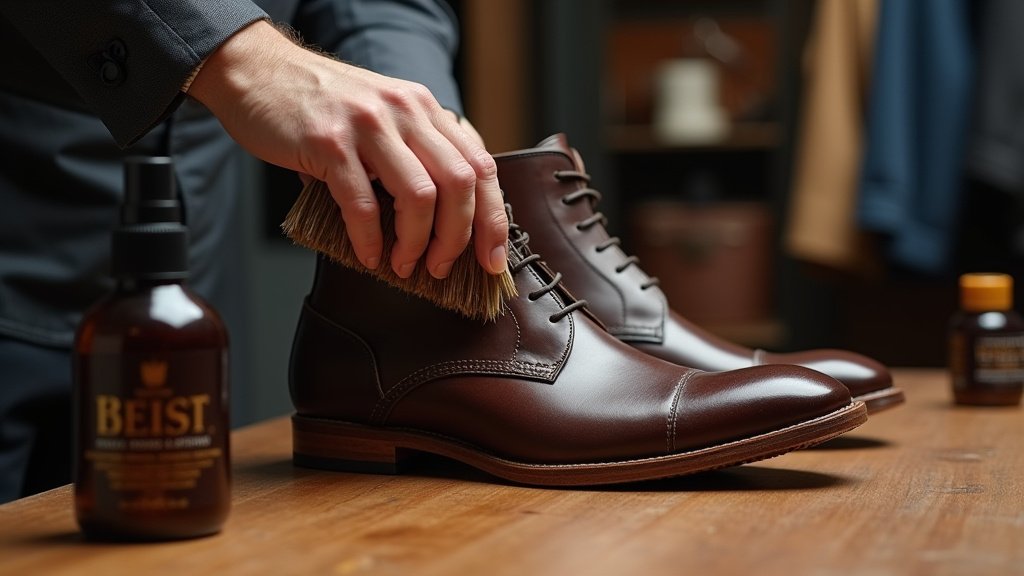
This trend highlights a move away from the ‘throwaway culture’ that dominated the early 2010s. Modern consumers are investing in ‘resole-able’ footwear. Brands that offer lifetime warranties or repair programs are seeing a 30% increase in brand loyalty among Gen Z and Millennial demographics. Beyond the repair itself, the rise of DIY leather care kits—containing specialized waxes, horsehair brushes, and color-matched polishes—has empowered consumers to perform preventative maintenance on their favorite loafers, boots, and heels, ensuring they survive the harsh elements of the autumn and winter months.
Economic Drivers: Sustainability Meets Smart Spending
It is impossible to separate these trends from the current economic climate. With inflation impacting discretionary income, the ‘Repair, Don’t Replace’ mantra has become a financial necessity rather than just an ideological choice. The cost of a professional heel replacement, typically ranging between $40 and $80, is a fraction of the cost of replacing high-quality designer boots, which can exceed $600.
Furthermore, the circular fashion movement is gaining institutional support. The Sustainable Apparel Coalition and various global retailers are implementing ‘take-back’ and repair schemes to capture this shifting consumer sentiment. By treating a garment not as a temporary commodity but as an asset to be managed, consumers are redefining their relationship with luxury. The ultimate fall fashion trend is no longer about what you buy, but how long you can keep what you already have looking pristine.
FAQ: People Also Ask
Q: Does ‘dry shampoo for clothes’ actually clean fabric?
A: It does not remove deep-seated stains or heavy dirt like a traditional wash, but it effectively neutralizes odors and removes surface dust. It is best used as a maintenance tool to extend the life of garments that are not physically soiled.
Q: Is it worth repairing a pair of heels?
A: Yes, if the structure of the shoe is sound. A high-quality leather heel or sole can be replaced multiple times, potentially adding years to the lifespan of footwear that would otherwise be discarded.
Q: How often should I use fabric refreshers?
A: You can use them as needed after wearing a garment. However, ensure you are using a product specifically formulated for the fabric type (e.g., wool vs. cotton) to avoid discoloration or residue buildup.