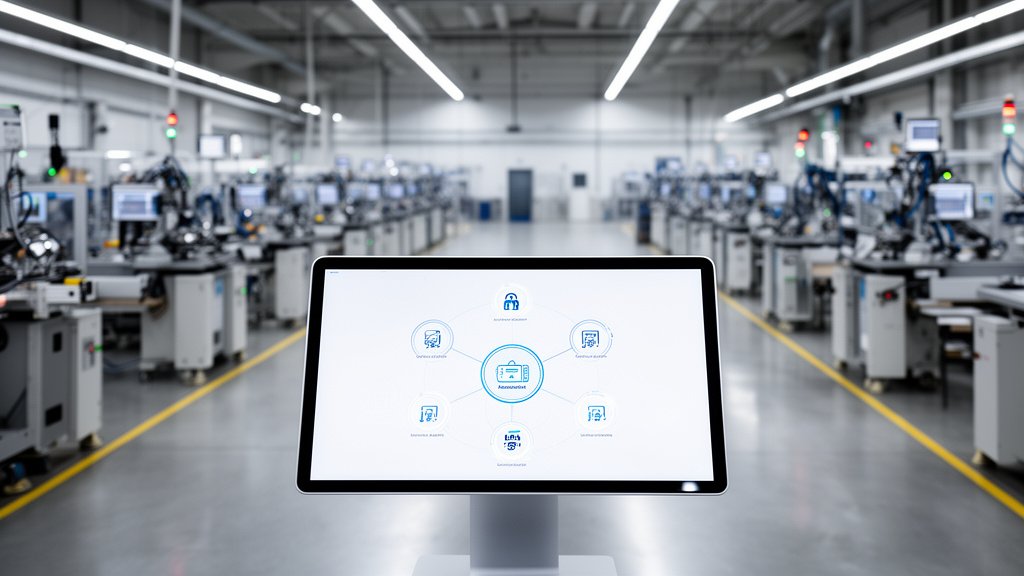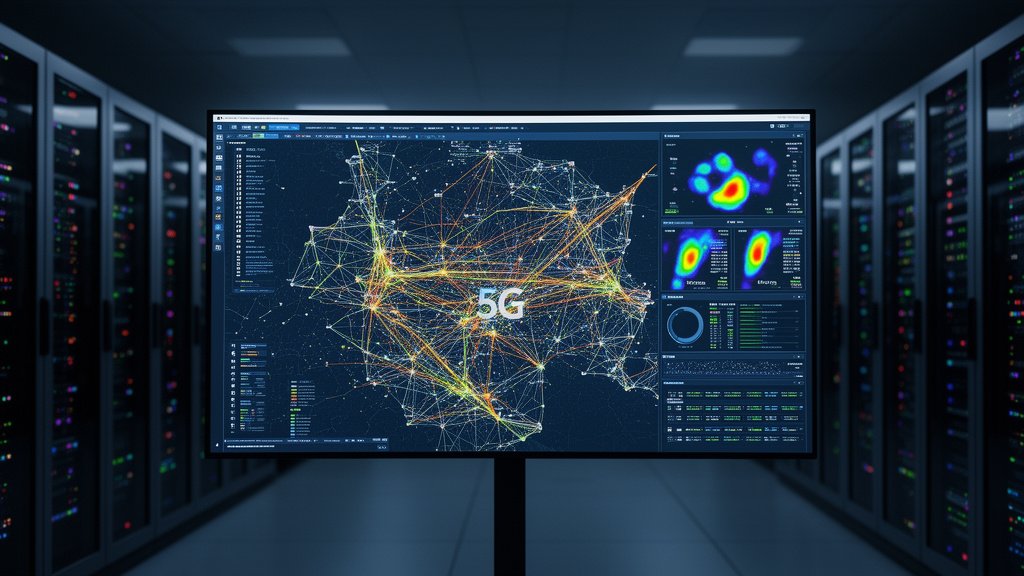
T-Mobile has officially launched a sophisticated suite of AI-powered infrastructure enhancements, including the ‘AutoPilot’ network management system and a nationwide expansion of its ‘Dynamic CX’ initiative. These updates represent a significant pivot toward proactive, self-optimizing network architecture, designed to improve 5G availability, speed, and overall resilience across its footprint. By leveraging artificial intelligence to manage traffic dynamically, T-Mobile aims to solve one of the most persistent challenges in modern telecommunications: predicting and mitigating network congestion in real-time.
Key Highlights
- AutoPilot Implementation: New AI-driven network management that autonomously reallocates bandwidth based on real-time traffic demand.
- Dynamic CX Expansion: A nationwide rollout of AI diagnostic tools that proactively identify and resolve connectivity issues before they impact the user experience.
- Network Resilience: Enhanced predictive maintenance capabilities designed to reduce downtime and improve 5G signal stability in high-density urban areas.
- Real-Time Adaptation: A move away from static network management toward a fluid, responsive 5G infrastructure powered by machine learning algorithms.
The Intelligence Revolution: T-Mobile’s 5G Infrastructure Evolution
The telecommunications industry is currently undergoing a paradigm shift, moving from simple connectivity to ‘intelligent’ connectivity. T-Mobile’s introduction of its ‘AutoPilot’ capabilities is at the forefront of this trend. For years, cellular networks relied on pre-configured, static parameters that could handle average traffic loads but often struggled during unexpected spikes in demand—such as those seen at large public events or during natural disasters.
The Mechanics of AutoPilot
At its core, the AutoPilot system functions as a high-speed traffic controller for radio frequency (RF) data. By utilizing machine learning models that analyze historical and real-time usage data, the system can predict bandwidth requirements on a micro-second basis. When the network detects a surge in activity in a specific geographic sector, AutoPilot automatically adjusts signal strength and prioritizes critical data packets, ensuring that latency remains low for the end user. This ‘self-optimizing’ nature is critical for the next phase of 5G, where the sheer volume of IoT devices and high-bandwidth applications threatens to overwhelm traditional network management tools.
Unpacking Dynamic CX
Complementing the infrastructure-focused AutoPilot is the expansion of the ‘Dynamic CX’ (Customer Experience) system. While AutoPilot works on the backend to manage hardware performance, Dynamic CX functions as an intelligence layer that interfaces with the customer journey. By monitoring performance metrics across the nationwide network, the AI can detect a ‘silent failure’—a degradation in signal quality that might not result in a total outage but does lead to buffering and dropped connections.
Instead of waiting for a support ticket to be filed, the Dynamic CX system can trigger automated troubleshooting sequences. This could involve re-routing traffic from a struggling cell tower to a neighboring one or pushing a software adjustment to the local network hardware to optimize the frequency band. This proactive stance effectively turns the network into a ‘self-healing’ ecosystem, which is essential for maintaining the high standards expected by modern smartphone users.
Strategic Implications for 5G Advanced
These updates are a clear indicator of T-Mobile’s commitment to the ‘5G Advanced’ standard. The integration of AI into the core network is not merely an optimization; it is a structural necessity. As data consumption continues to grow, human-managed network optimization has reached its limits. The shift toward an AI-managed architecture allows T-Mobile to extract more value from its existing mid-band spectrum—the ‘goldilocks’ frequency range that provides the perfect balance of coverage and speed.
Secondary angles to consider include:
1. The Energy Efficiency Angle: AI-managed networks often consume less energy because they can power down idle radio components during low-traffic periods, contributing to sustainability goals.
2. The Economic Impact: By reducing the cost of maintenance through predictive AI, T-Mobile may be able to maintain more competitive data pricing despite the rising costs of infrastructure deployment.
3. The Competitive Landscape: As rivals like Verizon and AT&T also explore AI in their network operations, the speed of adoption for these technologies will become a key differentiator in subscriber retention and churn reduction.
FAQ: People Also Ask
Q: What exactly does T-Mobile’s ‘AutoPilot’ do for my signal?
A: AutoPilot is an AI network management tool that dynamically reallocates your local tower’s resources. It helps prevent congestion by predicting where traffic will spike and adjusting the network’s capacity in real-time, which should result in fewer dead zones and smoother streaming during peak hours.
Q: Will Dynamic CX change how I contact customer support?
A: Yes, the goal is to make it less necessary. By proactively identifying and fixing network-side issues before they cause a service interruption, Dynamic CX is designed to prevent the connectivity problems that typically trigger support calls, though it does not replace human support for account-specific inquiries.
Q: How does this differ from standard 5G updates?
A: Traditional updates usually involve adding more hardware or increasing capacity through spectrum acquisition. This update is purely software and algorithmic; it focuses on ‘getting more out of what we have’ by making the existing network smarter rather than just bigger.
Q: Does this AI system require a new 5G phone?
A: No, these updates are server-side and infrastructure-level, meaning they benefit all T-Mobile 5G-capable devices automatically without any action required from the user.