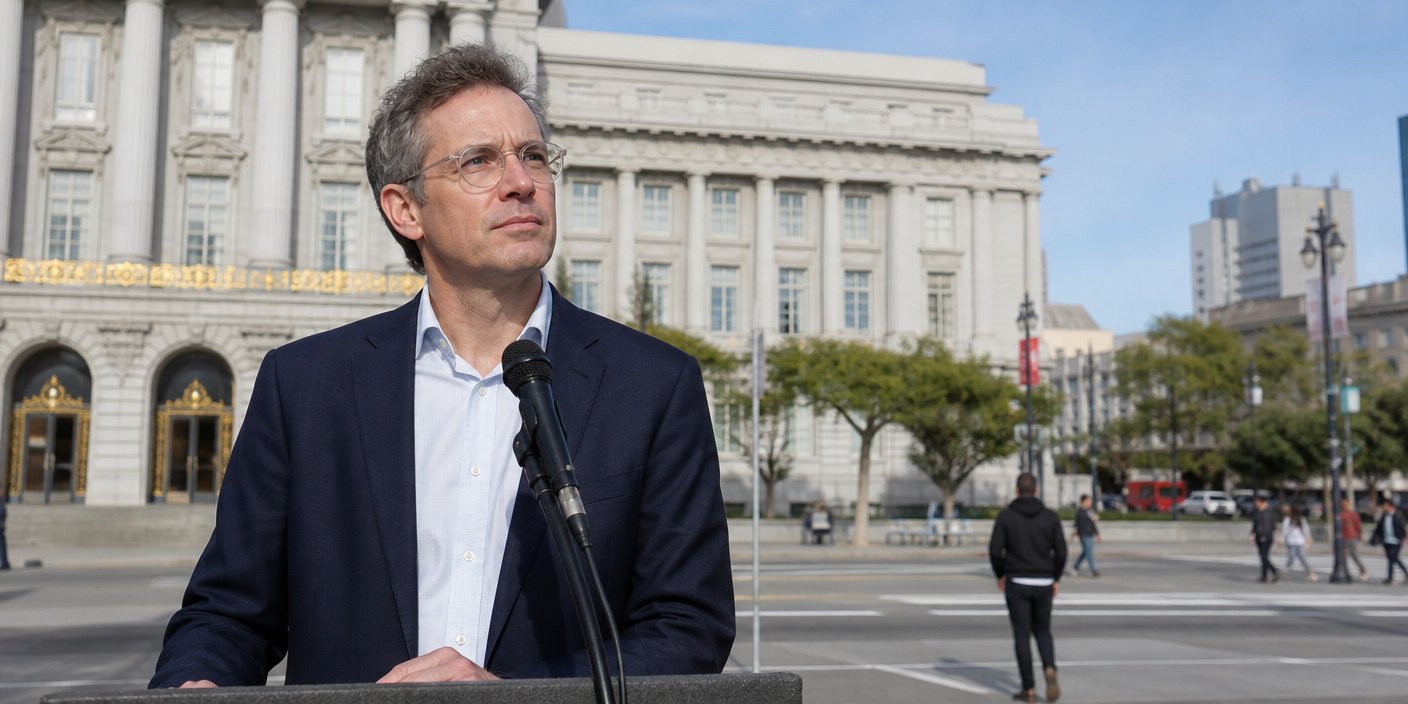
San Francisco is taking a historic step to rethink its urban infrastructure as the unchecked proliferation of artificial intelligence technologies begins to collide with the physical limits of the city’s power grid. Following a proposal championed by Supervisor Dean Preston, the Board of Supervisors is moving toward a 45-day moratorium on the approval of new data centers. This temporary pause is designed to create a legislative window for city planners to audit and update zoning codes that were written long before the modern era of high-density, power-hungry server farms.
Key Highlights
- Legislative Pause: A 45-day moratorium is proposed to halt new data center permits, allowing for a comprehensive review of existing zoning laws.
- The AI Energy Crisis: The surge in artificial intelligence infrastructure is creating unprecedented demand on local energy grids, prompting city officials to reconsider urban capacity.
- Zoning Overhaul: Current city codes are deemed ill-equipped to regulate the specific physical, electrical, and thermal requirements of modern, industrial-scale data centers.
- Strategic Oversight: The move aims to prevent “energy gluttony” and ensure that San Francisco’s climate and utility goals remain aligned with tech-sector growth.
The Silicon Ceiling: Re-evaluating Urban Infrastructure
The rapid expansion of AI-driven infrastructure has placed San Francisco at a precarious crossroads. While the city remains a global hub for innovation and the development of large language models, the physical “heavy lifting” behind these digital tools—the data centers themselves—is becoming a point of friction. Supervisor Dean Preston’s proposal for a 45-day moratorium represents a significant shift from the city’s typical “tech-first” development stance. The core issue is not simply the existence of these centers, but their compatibility with the city’s aging infrastructure.
The Infrastructure Paradox
For decades, zoning codes in major metropolitan areas like San Francisco have been optimized for offices, retail, and housing. Data centers are an entirely different beast. They require massive amounts of electricity, specific cooling infrastructure, and dedicated fiber-optic connectivity that often exceeds what a standard commercial building was designed to accommodate.
When a city approves a new data center, it is not merely approving a tenant; it is approving a significant strain on the municipal utility grid. As AI models become more complex, the energy density required to train and maintain them has skyrocketed. The current legislative push is an attempt to “pause the clock” and ensure that the city’s electrical grid, which is already managing a transition toward renewable energy, is not overwhelmed by industrial-scale power consumption from server farms that were never part of the original urban master plan.
Why 45 Days Matters
Skeptics may view a 45-day moratorium as a mere drop in the bucket, but in the fast-moving world of real estate development and tech permitting, it acts as a “circuit breaker.” This timeframe provides the Planning Department and the Board of Supervisors the necessary breathing room to conduct an impact study. The goal is to establish new standards for where these facilities can be located, how much power they can draw, and what kind of environmental offsets they must provide.
This is not a blanket ban on tech, nor is it an anti-AI stance. Rather, it is a pragmatic recognition that municipal governance has lagged behind the blistering pace of the AI boom. By updating the zoning codes, San Francisco intends to ensure that future data centers are built in locations where the grid can actually support them, rather than allowing a “first-come, first-served” scramble that could degrade utility reliability for residents and small businesses.
Economic and Environmental Intersections
The intersection of AI infrastructure and environmental policy is perhaps the most contentious aspect of this debate. San Francisco has aggressive climate goals, aiming for a significant reduction in carbon emissions. Data centers, if not managed correctly, are notorious for their high energy and water usage—the latter often required for the massive cooling systems needed to keep processors running.
This moratorium invites a broader discussion on what “smart city” development looks like in the 21st century. Can a city accommodate the massive data throughput required by the next generation of AI while simultaneously maintaining affordable energy for its citizens? The proposed legislation suggests that the answer requires more than just capital investment; it requires rigorous oversight.
Future-Proofing Urban Design
The implications of this 45-day pause extend beyond San Francisco. As other major tech hubs across the United States face similar pressures on their grids, cities are looking for models to manage the “data center creep.” By taking this action, San Francisco is effectively testing a framework for how municipalities can balance the economic benefits of being a “tech capital” with the practical realities of infrastructure management. If successful, this moratorium could set a precedent for how cities navigate the relationship between digital growth and physical sustainability.
FAQ: People Also Ask
Q: Is this moratorium a total ban on AI development in San Francisco?
A: No. The moratorium specifically targets the approval of new physical data centers. It does not stop software development, AI research, or the operation of existing data facilities. It is a zoning and infrastructure pause, not a ban on technology.
Q: Why are data centers causing issues for the energy grid?
A: Modern AI requires vast computational power to process data, which translates to extreme electricity consumption. Because these facilities operate 24/7 at high capacity, they place a constant, heavy load on the grid, which can strain local power distribution networks that were designed for lower-intensity office or residential use.
Q: What happens when the 45 days are over?
A: The intent is that by the end of the 45-day period, the city will have completed its assessment of current zoning codes. Officials expect to have a new regulatory framework in place that outlines where data centers can be built and what energy requirements they must meet to operate in the city.
Q: Does this affect residential internet or cloud service availability?
A: Highly unlikely. This legislation focuses on the physical infrastructure of large-scale server farms. It does not impact the services that residents, businesses, or cloud-based apps currently rely on.