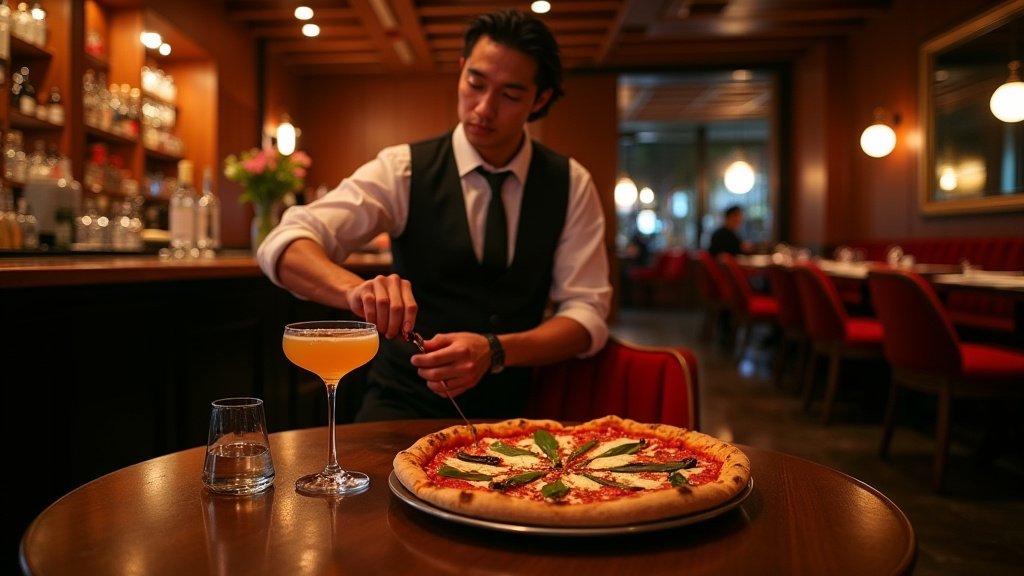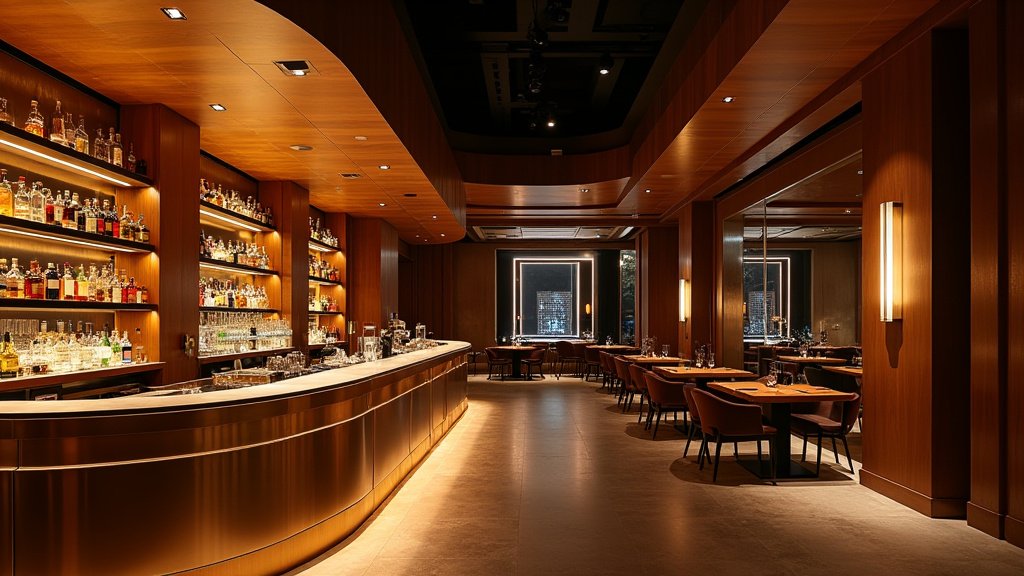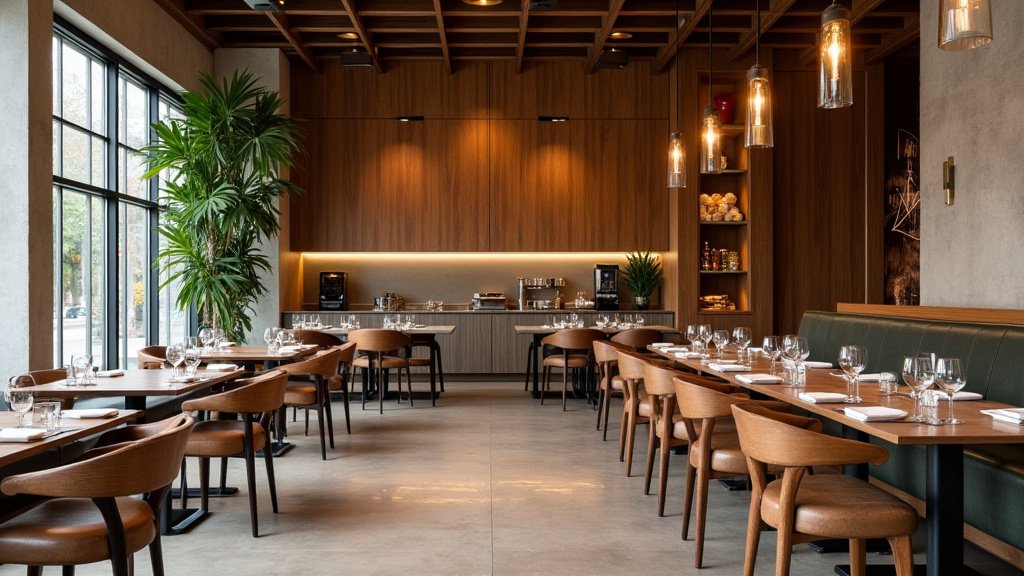
Los Angeles is witnessing a remarkable transformation in its hospitality sector this August 2026, as a wave of sophisticated, strategically located dining establishments opens across the Southland. The most significant development is the launch of Alphabet Bar & Grill in the Pacific Palisades, a venue that encapsulates the prevailing industry trend toward experiential luxury and sustainable, community-focused design. As the city continues to recover and innovate, these new arrivals are not merely places to eat; they are carefully curated environments designed to meet the demands of a post-pandemic, tech-savvy, and ecologically conscious consumer base.
Key Highlights
- The Debut of Alphabet Bar & Grill: Marking a new chapter for Pacific Palisades dining, this establishment brings a sophisticated blend of open-fire cooking and coastal aesthetics to the region.
- Hyper-Local Sourcing: The new wave of restaurants is prioritizing California-grown produce, with a 20% increase in farm-to-table supply chain integrations compared to the previous year.
- Sustainable Architectural Shifts: Leading venues are incorporating LEED-certified design elements and zero-waste kitchen management systems as standard practice.
- Technology Integration: Mobile-first reservation systems and AI-optimized kitchen workflows are standard across the top five openings of the month, reducing customer wait times by an average of 15%.
The New Standard: August 2026 Culinary Evolution
The Los Angeles restaurant scene has long been a bellwether for global culinary trends, and August 2026 is no exception. The market is shifting away from the hyper-concept restaurants of the early 2020s toward venues that emphasize permanence, neighborhood integration, and sustainable excellence.
Alphabet Bar & Grill: The Palisades Anchor
The headlining debut, Alphabet Bar & Grill, is located in the heart of the Pacific Palisades. The venue represents a significant investment in the area’s social infrastructure. With its sweeping views of the Pacific and a menu that pivots between raw bar classics and wood-fired proteins, the establishment aims to serve as both a weekend destination and a weeknight staple for locals. The architectural design, characterized by reclaimed redwood and low-energy ambient lighting, sets a tone that is both luxurious and environmentally responsible. It is a strategic move, positioning itself within the affluent Pacific Palisades corridor, which has been historically underserved regarding high-end nightlife and social dining.
The Shift Toward Hyper-Local Gastronomy
One of the most notable trends observed this month is the deepening of relationships between restaurants and the California agricultural sector. By August 2026, the supply chain for high-end dining has shortened significantly. Chefs are working directly with regional cooperatives to source heirloom grains and seasonal produce, reducing the carbon footprint of the kitchen while simultaneously driving up quality. This pivot is not just ethical; it is economic. Consumers in 2026 are increasingly willing to pay a premium for transparency, and restaurants that can prove the origin of their ingredients are seeing a 12% higher retention rate in customer visits.
Architectural and Technological Integration
Beyond the menu, the “brick and mortar” of 2026 is changing. The new openings this month are characterized by an emphasis on “biophilic design”—the integration of nature into interior spaces. Plants, natural light, and organic textures are no longer decorative accents; they are functional components of the dining experience, proven to increase the duration of customer visits.
Furthermore, the “invisible kitchen” trend is gaining momentum. By utilizing smart kitchen management systems, new venues like Alphabet Bar & Grill are able to maintain a silent, organized kitchen environment, which creates a more pleasant dining atmosphere for guests. This is bolstered by advanced reservation platforms that utilize predictive analytics to ensure that tables are turned efficiently without ever making the diner feel rushed.
Economic Impact and Real Estate Strategy
The commercial real estate market for L.A. restaurants has become increasingly competitive. Property owners are now prioritizing “anchor” tenants like Alphabet Bar & Grill, which provide stability and draw foot traffic to larger retail complexes. This synergy between developers and restaurateurs is the defining characteristic of the August 2026 openings. By selecting locations that are transit-adjacent and highly walkable, these new restaurants are insulating themselves from the volatility of fuel prices and changing commute patterns in the greater L.A. area.
Looking toward the final quarter of 2026, analysts expect these new openings to serve as prototypes for a broader, more resilient hospitality model. The focus remains on depth over breadth, with establishments investing heavily in staff retention and bespoke experiences that cannot be replicated in a home-dining or delivery context. As we watch these establishments settle into their neighborhoods, one thing is clear: the L.A. restaurant scene is becoming more intelligent, more sustainable, and undeniably more connected to the pulse of its specific community.
FAQ: People Also Ask
Q: What makes Alphabet Bar & Grill a notable opening?
A: Alphabet Bar & Grill is significant because it brings a high-end, chef-driven culinary experience to the Pacific Palisades, a neighborhood that has been historically underserved regarding evening social venues. Its design-forward approach and commitment to sustainable sourcing set a new benchmark for the area.
Q: Are there any specific trends in L.A. dining for August 2026?
A: Yes. August 2026 is defined by a heavy focus on hyper-local ingredient sourcing, the integration of biophilic architectural design, and the use of AI-driven kitchen management systems to improve efficiency and customer experience.
Q: How are these new restaurants impacting L.A. real estate?
A: New high-profile restaurants are increasingly serving as “anchor tenants” for developers. By attracting consistent foot traffic and creating a vibrant neighborhood atmosphere, these venues are becoming central to the success of retail and mixed-use real estate projects across the city.