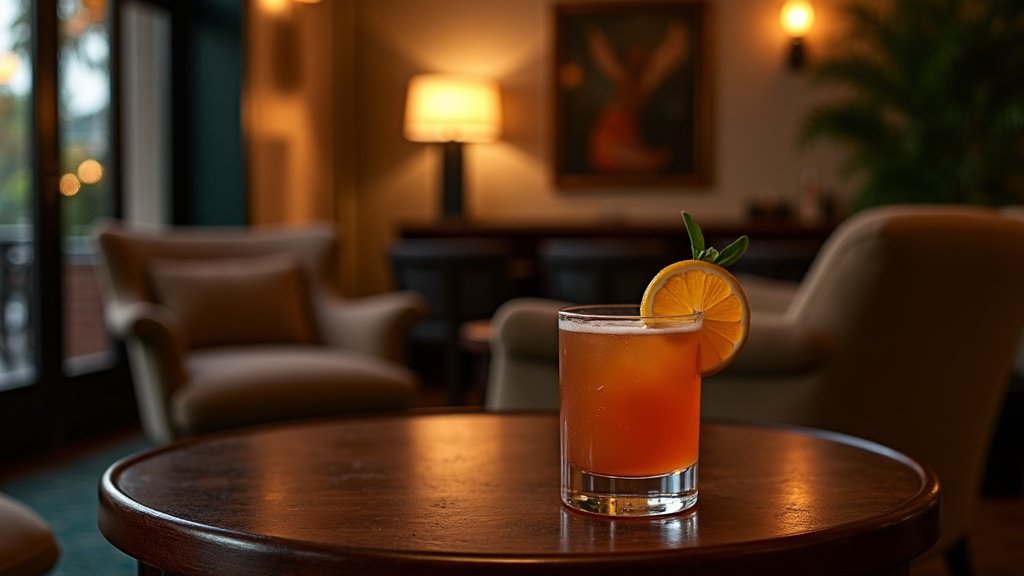
In the shadow of the TCL Chinese Theatre and just blocks away from the Pantages, finding a sanctuary amidst the neon-drenched chaos of Hollywood and Highland is an arduous task. For the theatergoer, the pre-show ritual often involves fighting through throngs of tourists, navigating overpriced tourist traps, or settling for a lukewarm drink at an overcrowded chain establishment. However, a recent discovery in the hotel bar circuit—a storied, historic lobby lounge that functions as a surprisingly low-key pre-theater gem—is changing the narrative for savvy locals and visitors alike.
The Hollywood Hospitality Paradox
For decades, Hollywood hotel bars operated under a specific, often prohibitive economic model: premium pricing driven by captive audiences. The proximity to the Walk of Fame and major performance venues like the Dolby Theatre meant that establishments could maintain high price floors regardless of the quality of service or ambiance. This environment created a significant barrier for the average theater attendee who wanted a sophisticated, yet accessible, location for a pre-performance cocktail. The recent shift in this landscape, exemplified by our focus bar’s strategic $15 happy hour, represents a departure from the ‘tourist tax’ mentality. It serves as a reminder that accessibility is not merely a pricing strategy; it is a vital component of the modern hospitality ecosystem.
Why This Bar Beats the Traffic
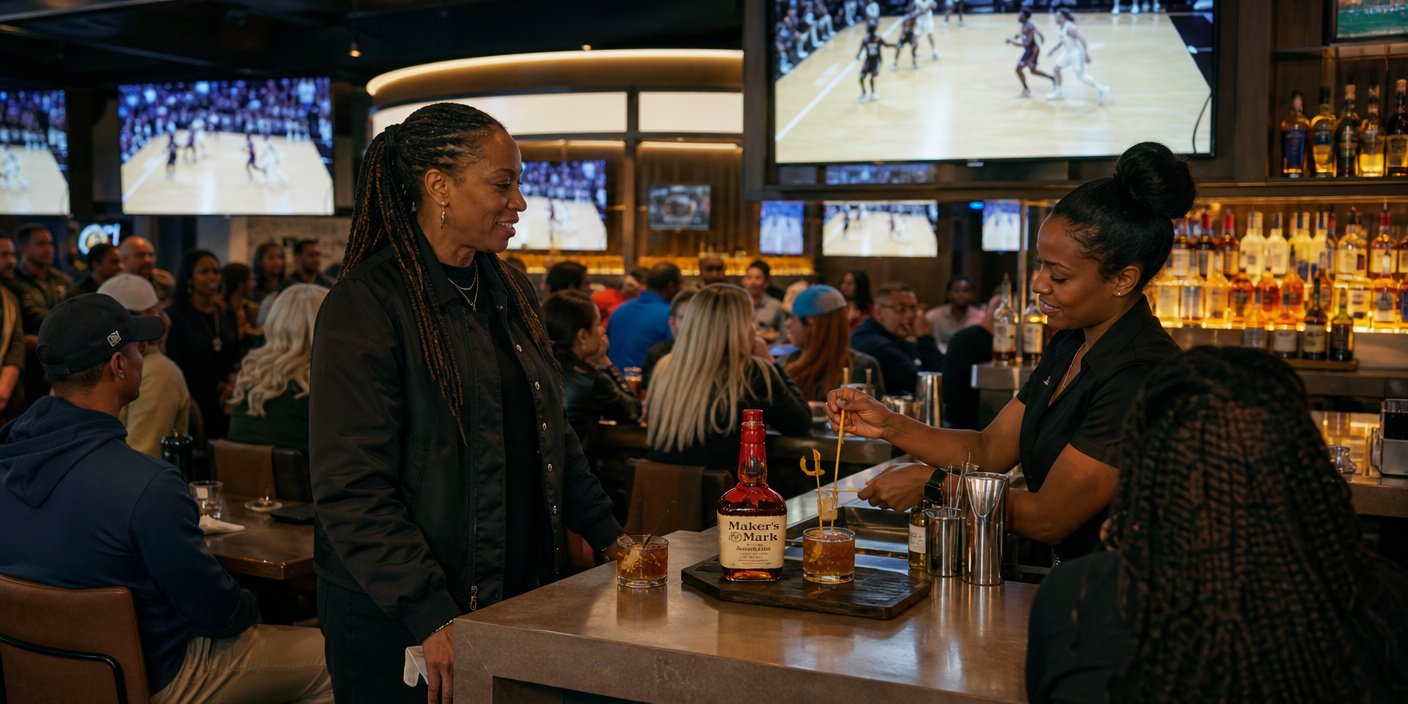
The utility of this specific bar lies in its logistical precision. While most Hollywood venues rely on valet-heavy entrances that contribute to the notorious gridlock of the Boulevard, this bar offers a ‘third space’ environment. It is far enough removed from the epicenter of the street traffic to offer a reprieve, yet close enough that a patron can walk to a show at the Pantages in under ten minutes. The $15 happy hour is not merely a deal; it is a competitive differentiator. In a post-inflationary environment where craft cocktails often push the $22 to $25 range, a $15 price point for high-caliber mixology—utilizing fresh citrus, house-made syrups, and premium spirits—is a rarity that demands attention. This is not the watered-down happy hour of the 2010s; it is a curated menu designed to entice the theater crowd to arrive early, spend their pre-show hour in comfort, and depart with a sense of having maximized their evening’s value.
Economic and Cultural Impact: The Hotel Bar Evolution
The role of the hotel lobby bar is currently undergoing a renaissance. Historically, these spaces were viewed as transitional zones—places where one checked in, checked out, or killed time while waiting for a room. Today, they are being reimagined as cultural hubs, fueled by the necessity of local engagement. By lowering entry barriers via aggressive happy hour pricing, these establishments are effectively subsidizing their own ‘vibe’—using the influx of theater patrons to create the very energy that draws in the late-night crowd. This is a deliberate economic shift; by capturing the ‘pre-theater’ dollar, the hotel stabilizes its revenue during the 4:00 PM to 7:00 PM ‘dead zone’ before hotel guests return for the evening. It is a symbiotic relationship between local entertainment venues and hospitality providers.
Secondary Angle: The Architecture of Accessibility
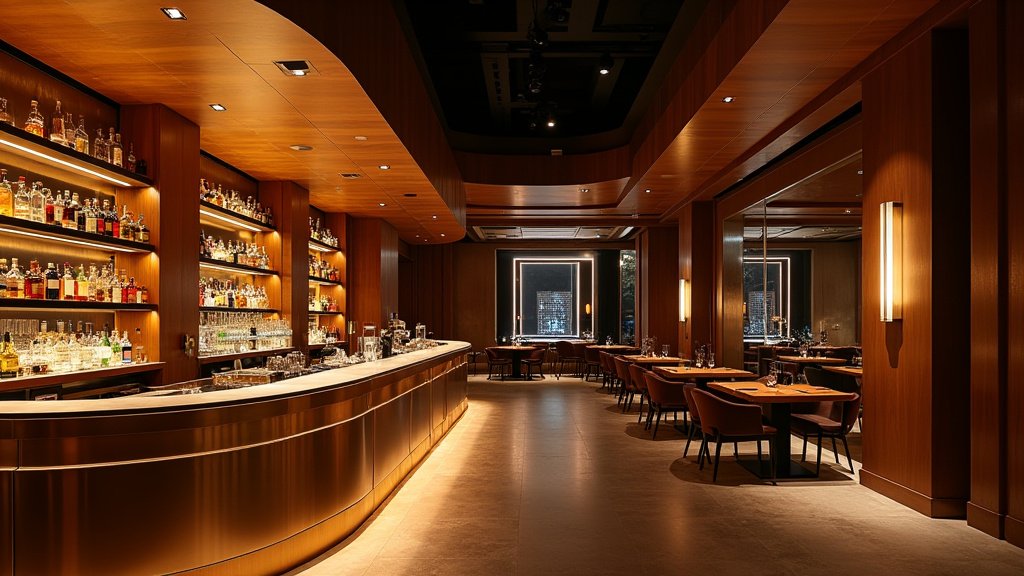
The architectural layout of this bar plays a crucial role in its ‘gem’ status. Unlike many modern boutique hotels that utilize dark, cavernous, or overly stylized interiors that make conversation difficult, this space prioritizes acoustics and sightlines. The design retains a mid-century aesthetic that honors the golden age of Hollywood without feeling like a theme park exhibit. This is crucial for theatergoers who are often looking to decompress before a heavy drama or excite themselves before a musical. The seating is ergonomically designed to accommodate parties of two to four, the standard cohort for theater outings, which is a subtle but vital detail often overlooked by ‘scene’ bars that prioritize standing room or large, communal tables.
Future Predictions: The ‘Hyper-Local’ Trend
Looking ahead, we predict that this ‘pre-theater’ model will become the template for boutique hotels in major metropolitan areas. As the cost of living continues to exert pressure on consumer spending, luxury experiences that offer ‘attainable entry points’ will thrive. The $15 price tag is psychological; it sits at the threshold of what a consumer considers ‘reasonable’ for a premium drink in a high-rent district. Hotels that fail to adopt this, remaining rigid in their high-cost structures, risk becoming isolated from the local market, relying entirely on transient tourist trade. The bars that succeed will be those that view their local theater patrons not as an annoyance to be served quickly, but as a demographic to be courted.
Conclusion: The Verdict
For those attending a performance in Hollywood, the search for the ‘perfect pre-show spot’ is finally over. By offering a refined atmosphere, a manageable price point, and a location that actually saves you time rather than costing you minutes in traffic, this venue hits the trifecta of what a modern hotel bar should be. It is a reminder that even in the most tourist-heavy districts, hidden gems exist—you just need to know where to look, and what to ask for at the bar.