Newly reviewed internal affairs files have ripped the lid off the operational culture within the Los Angeles Police Department’s recruitment unit, revealing specific, disturbing details regarding allegations of systemic bias. The records, which detail pervasive racist, sexist, and homophobic commentary by officers tasked with bringing new talent into the force, have intensified the political pressure on the department. With the public waiting on a critical assessment of whether these toxic practices hindered the department’s ability to attract a diverse workforce, Mayor Karen Bass has issued a clear directive: the report must be released, and it must be released now.
Key Highlights
- Internal Affairs Revelations: Newly surfaced records confirm the severity of misconduct within the recruitment unit, documenting disparaging remarks against minority groups, women, and the LGBTQ+ community.
- Political Pressure Mounts: Mayor Karen Bass has demanded the immediate publication of a long-delayed internal audit intended to measure the scandal’s impact on recruitment.
- Hiring Implications: The investigation aims to determine if the toxic environment deterred potential recruits or compromised the integrity of the hiring process.
- Demand for Accountability: There is growing scrutiny over the bureaucratic timeline of the investigation, with critics questioning why the report has been held back for so long.
The Fallout of Internal Misconduct: A Crisis of Culture
The internal affairs files, recently subjected to renewed scrutiny, paint a grim picture of the very unit meant to be the face of the LAPD to potential recruits. For an agency attempting to modernize its approach to policing and bridge the gap with the diverse communities it serves, the existence of these recordings—and the sentiments they reveal—acts as a massive institutional anchor. The allegations describe a environment where derogatory language was not merely an isolated incident but appeared to be a normalized facet of daily interaction within the office.
The Mechanics of the Scandal
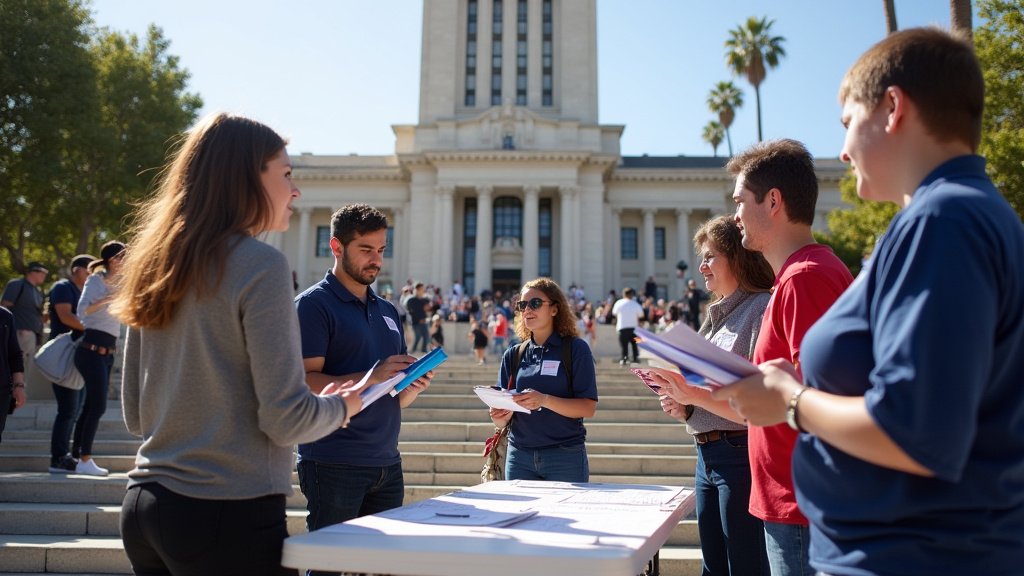
At the heart of the controversy is the recruitment unit, the primary point of contact for aspiring officers. When applicants reach out to the LAPD, they expect a professional, equitable, and objective vetting process. The newly reviewed files suggest that while the department was publicly pushing for a more representative force, the internal reality within its recruitment arm was allegedly operating under archaic and discriminatory biases.
Experts in organizational behavior argue that such conduct in recruitment is particularly damaging. If recruiters harbor deep-seated prejudices—as suggested by the reported racist, sexist, and homophobic comments—those biases can manifest in subtle but effective ways: through “weeding out” qualified candidates who don’t fit a specific profile, or by creating an atmosphere that discourages non-traditional applicants from pursuing a badge.
The Mayor’s Ultimatum
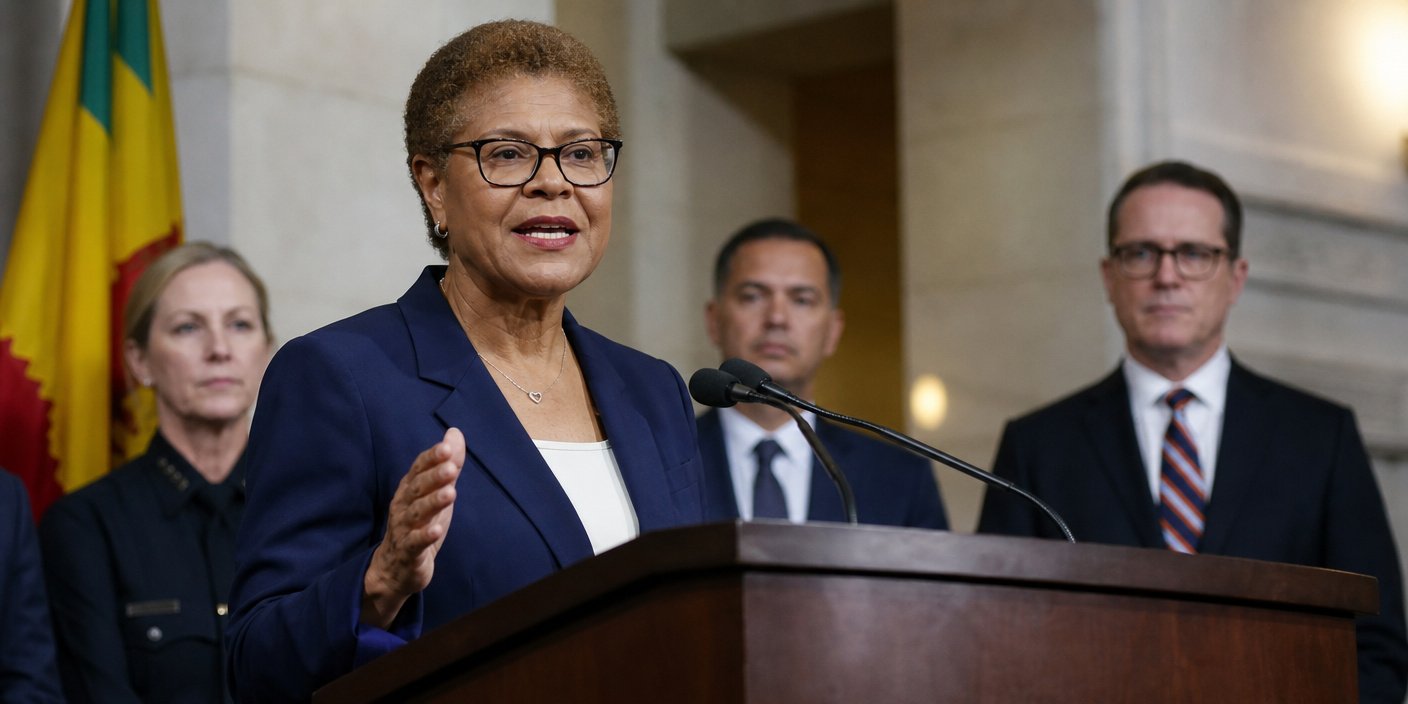
Mayor Karen Bass has made community trust and public safety cornerstones of her administration. The delay in releasing the audit—which was commissioned to quantify the damage caused by this specific unit—is becoming a political liability. Bass has effectively drawn a line in the sand, noting that the public deserves transparency regarding how its police department functions. The demand for the report is not just about the specific incident; it is about the broader mechanism of accountability. The city cannot afford to have its recruitment efforts stalled by a lack of transparency, especially as it continues to navigate post-pandemic staffing challenges.
Historical Context and Institutional Inertia
To understand the magnitude of this scandal, one must look at the historical relationship between the LAPD and the communities of Los Angeles. For decades, the department has fought to overcome a reputation for systemic bias. The recruitment unit was supposed to be the vanguard of that change. When news broke regarding these recordings, it wasn’t just a personnel issue; it was a symbolic blow to the department’s reform efforts.
This is not the first time the LAPD has grappled with internal misconduct, but the intersection of recruitment and systemic prejudice creates a unique threat. If the “front door” of the police department is perceived as hostile, the pipeline of talent will inevitably suffer. This creates a vicious cycle where a lack of diversity in hiring leads to a lack of cultural competence on the streets, which in turn erodes the very trust the department is working to build.
Future Predictions: The Road to Reform
As the city awaits the report, the path forward likely involves more than just disciplinary actions against the specific officers involved. Observers expect that the findings will trigger a top-to-bottom overhaul of the recruitment unit’s leadership and hiring protocols. This may include the implementation of independent oversight during the recruitment phase, blind application reviews, and mandatory, high-level sensitivity training that moves beyond standard compliance.
Furthermore, the publication of this report will likely set a precedent for how LAPD handles internal audit transparency moving forward. By forcing the issue into the light, Mayor Bass is signaling a shift toward a “no-excuses” policy regarding internal misconduct. Whether this results in a genuine cultural shift or merely surface-level policy changes remains the central question for the department.
FAQ: People Also Ask
1. What specifically were the recruitment unit officers accused of saying?
The files contain allegations of discriminatory and disparaging remarks targeted at women, LGBTQ+ individuals, and various minority communities. These comments reportedly created a hostile work environment and raised significant concerns about the fairness of the recruitment process.
2. Why is the report on this scandal being delayed?
While official reasons often cite bureaucratic “due process” and legal review requirements, Mayor Bass and other critics have expressed frustration with the lack of urgency. The delay has fueled public suspicion that the department may be attempting to minimize the political fallout before the findings go public.
3. How does this impact LAPD hiring goals?
If the recruitment unit was biased, it may have discouraged qualified candidates from applying, effectively sabotaging the department’s diversity goals. The upcoming audit is designed to quantify this potential “chilling effect” on recruitment numbers.
4. What is Mayor Karen Bass’s role in this investigation?
As the Mayor of Los Angeles, Bass has executive authority to demand transparency from city departments. She is using her office to apply public pressure on the LAPD to finalize and release the audit, positioning the issue as a matter of civic accountability rather than just internal police business.