The Los Angeles County Medical Examiner’s office has officially confirmed the identity of the individual fatally struck by an A Line Metro train in Pasadena. The victim has been identified as 25-year-old Sergio Ramirez. The incident, which occurred near the Fillmore Station, has prompted a renewed focus on pedestrian safety protocols within the regional transit network as authorities work to piece together the moments leading up to the collision.
Investigation and Official Findings
The identification of Sergio Ramirez concludes a critical phase of the investigation into the fatality. According to official reports released by the Medical Examiner, the cause of death was determined to be blunt force trauma. This finding is consistent with the nature of train-pedestrian collisions, which are characterized by high-impact forces that often result in fatal outcomes.
While the medical conclusion is clear, the Los Angeles County Sheriff’s Department Transit Services Bureau, in conjunction with local law enforcement, continues to review incident reports and surveillance footage from the surrounding area. The investigation aims to determine the specific circumstances that led to the victim’s presence on the tracks. Authorities are typically required to analyze signaling systems, driver statements, and platform security footage to ascertain whether the incident was the result of a misstep, a medical emergency, or another factor.
The Infrastructure and Safety Dynamics at Fillmore Station
The Geography of the Incident
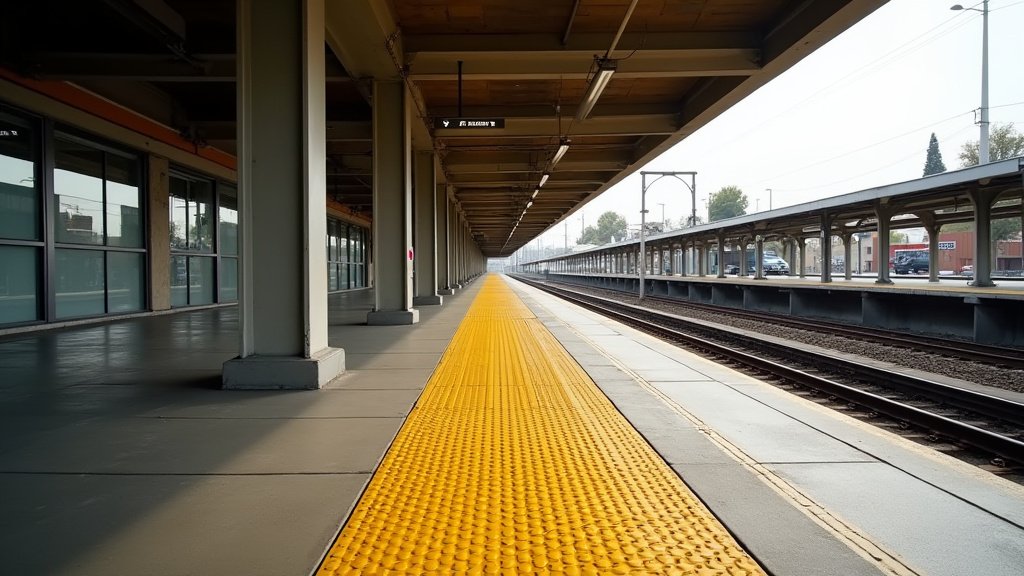
The Fillmore Station, located in Pasadena, is a significant hub on the Metro A Line, which serves as a major artery connecting the San Gabriel Valley to downtown Los Angeles and Long Beach. The station’s layout includes specific safety demarcations, including yellow tactile paving intended to warn commuters of the edge of the platform. However, stations like Fillmore—situated in busy, semi-urban corridors—present unique challenges regarding pedestrian movement.
Urban rail systems face constant pressure to balance accessibility with rigorous safety standards. For the Metro A Line, these standards involve automated warnings, station platform design, and public safety campaigns. The tragedy involving Mr. Ramirez highlights the inherent dangers of proximity to heavy rail vehicles, which operate with significant momentum and cannot stop instantly. Transit officials often reiterate that even a momentary lapse in awareness near the platform edge or track area can have devastating consequences.
Metro’s Stance on Transit Safety
Following the identification of the victim, Los Angeles County Metropolitan Transportation Authority (Metro) officials provided a formal response, reiterating the importance of adherence to safety protocols. Metro has consistently campaigned for public vigilance, urging riders to remain behind the yellow line and to remain alert to the silent, efficient nature of electric train arrivals.
Transit safety experts argue that while infrastructure such as platform screen doors or increased physical barriers could potentially mitigate these risks, the cost and logistical complexity of retrofitting existing stations remain high. The focus, therefore, remains on preventative measures: community education, clear signage, and ensuring that transit personnel are equipped to respond rapidly to potential track incursions.
The Broader Context: Transit Safety in Los Angeles
A Statistical Perspective
To understand the gravity of the incident involving Mr. Ramirez, it is necessary to contextualize it within the broader scope of Los Angeles transit safety. While millions of riders utilize the Metro system safely every year, fatal collisions remain a stark, albeit statistically rare, occurrence. These events often trigger intensive reviews of station safety, lighting, and platform management.
Historically, the Los Angeles Metro has undertaken various initiatives to curb track-related incidents. These range from high-visibility safety patrols to technology-driven solutions, such as proximity sensors. However, the human element—the speed of train travel versus the unpredictability of human movement—remains the most significant variable in transit safety assessments.
The Impact on the Transit Community
Beyond the forensic and systemic analysis, the death of a 25-year-old individual serves as a profound psychological shock to the community. Such incidents ripple through the transit network, affecting not only the victim’s family and friends but also the train operators, passengers who witnessed the event, and the first responders who arrived on the scene.
Crisis support services are often deployed following such high-impact incidents, reflecting the recognition by Metro officials that these tragedies have a lasting societal impact. As the investigation moves forward, the focus will likely remain on whether any systemic improvements can be implemented at the Fillmore Station site to prevent future occurrences, while the family of Sergio Ramirez begins the difficult process of mourning.
FAQ: People Also Ask
1. What safety measures does Metro have in place to prevent train-pedestrian accidents?
Metro utilizes a combination of physical infrastructure (yellow tactile warnings, platform lighting) and operational protocols. They also conduct ongoing public awareness campaigns urging riders to remain vigilant and behind the safety lines while trains are approaching or entering the station.
2. How does the Medical Examiner determine the cause of death in these cases?
In train-pedestrian incidents, the Medical Examiner conducts a post-mortem examination. They look for specific injury patterns consistent with high-impact blunt force trauma. Toxicology screens and witness statements are also collected to assist in determining the context of the event.
3. Is there a timeline for the final report on the Fillmore Station incident?
Typically, investigations into transit fatalities take several weeks or months. This duration accounts for the time required to process lab results, review all digital evidence (such as CCTV), and synthesize interviews with transit personnel and witnesses. The investigation will eventually be filed as a public record once all findings are finalized.
4. What should passengers do if they see someone on the tracks?
Passengers should never attempt to intervene themselves, as this puts more lives at risk. The correct procedure is to immediately use the emergency call boxes located on the platform, alert the nearest station attendant or law enforcement officer, or call 911 immediately if the situation is imminent.