The Los Angeles County Department of Public Health (LADPH) has officially confirmed the first death associated with the West Nile virus (WNV) for the 2026 season. The deceased, a resident of the San Fernando Valley, succumbed to the infection after being hospitalized with a severe neurological illness. This tragic event serves as a stark reminder of the persistent public health risk posed by the virus as Los Angeles enters the peak mosquito-breeding season.
Key Highlights
- First Fatality: This marks the first confirmed death linked to West Nile virus in Los Angeles County for the 2026 calendar year.
- Patient Profile: The victim was a resident of the San Fernando Valley, an area historically susceptible to WNV outbreaks due to specific microclimates.
- Neurological Impact: The patient suffered from severe neuroinvasive WNV, a serious condition that affects the central nervous system, leading to hospitalization.
- Ongoing Vigilance: Public health officials are urging residents to escalate mosquito abatement efforts immediately to prevent further transmission.
The 2026 West Nile Outbreak: Clinical and Epidemiological Context
The confirmation of this fatality arrives earlier in the season than some previous years, drawing renewed attention from epidemiologists at the Los Angeles County Department of Public Health. West Nile virus, a mosquito-borne disease, is primarily transmitted to humans through the bite of an infected Culex mosquito. While many individuals bitten by an infected mosquito experience only mild, flu-like symptoms or remain entirely asymptomatic, a small percentage—approximately one in 150—develop serious, life-threatening complications.
In this specific case, the patient developed neuroinvasive disease, which includes inflammation of the brain (encephalitis) or the membranes surrounding the brain and spinal cord (meningitis). This clinical trajectory often requires intensive care intervention. The fact that this fatality has occurred in the San Fernando Valley is statistically significant; the region’s topography, which includes sprawling suburban development, localized pockets of standing water in drainage channels, and a climate that facilitates the rapid lifecycle of the Culex mosquito, makes it a perennial hot zone for virus circulation.
The Science of Vector Control
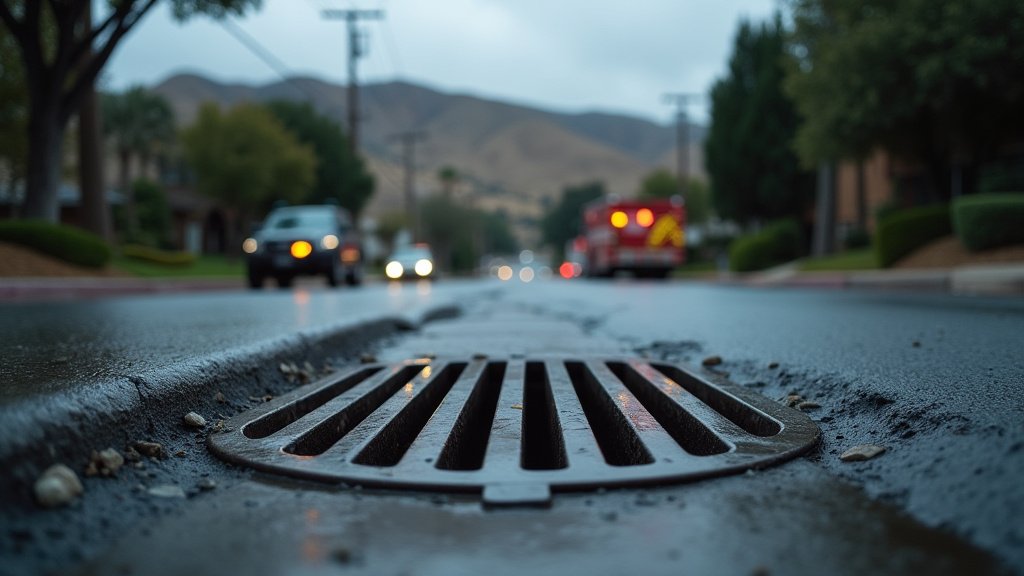
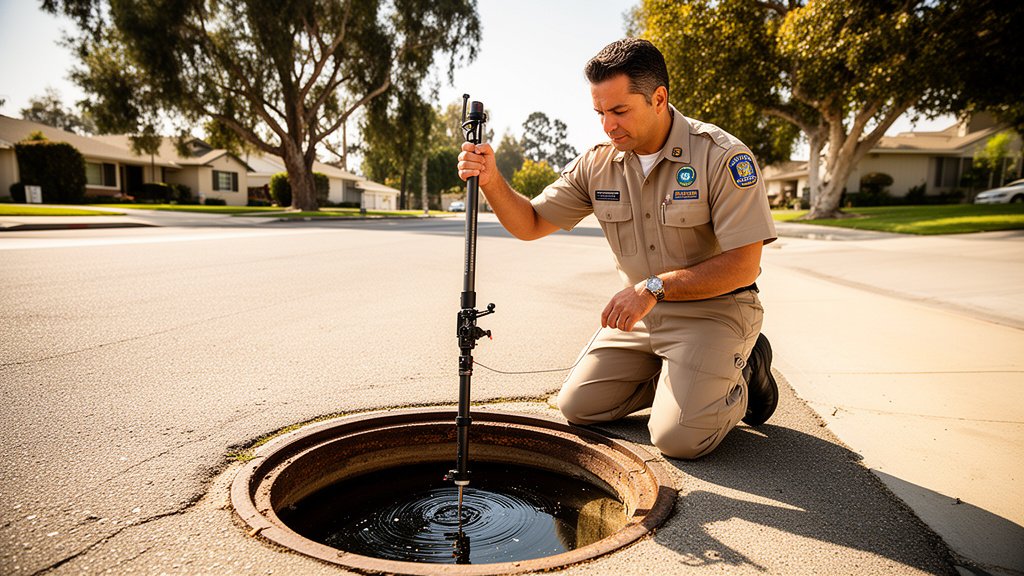
Vector control is the primary line of defense against the spread of WNV. The Los Angeles County Vector Control District utilizes a multi-tiered approach, including the monitoring of dead bird populations—a sentinel species for WNV—and the application of larvicides to storm drains and catch basins where mosquitoes congregate. However, public cooperation remains the most effective variable. Eliminating sources of standing water in residential backyards, maintaining swimming pools, and utilizing EPA-registered mosquito repellents are not just recommendations; they are critical public health requirements to break the transmission cycle.
Climate Patterns and Transmission Risk
The 2026 season has been characterized by fluctuating temperatures in Southern California. Entomologists have noted that warmer-than-average spring temperatures can accelerate the incubation period of the virus within the mosquito, effectively increasing the window of transmission. When daytime temperatures rise, the metabolism of the mosquito increases, causing the insect to bite more frequently. This atmospheric synergy underscores the complexity of managing mosquito-borne illnesses in a metropolitan environment, where urban heat islands exacerbate the issue.
Secondary Angle: The Economic Impact of Vector Control
The financial burden of mosquito control in Los Angeles is substantial. Managing thousands of miles of infrastructure to prevent breeding requires continuous funding for surveillance and abatement. Beyond the direct costs of health department initiatives, the economic impact extends to healthcare costs associated with the treatment of neuroinvasive WNV cases. Prolonged hospital stays, intensive care units, and rehabilitation for survivors represent a significant, albeit often hidden, healthcare expenditure for the region.
Secondary Angle: The ‘Sentinel’ Strategy
Why do we focus so heavily on bird deaths? The strategy of monitoring ‘sentinel species’ involves tracking the mortality rates of crows and other birds that are highly susceptible to WNV. By mapping these deaths, the LA County Department of Public Health can identify geographic clusters of virus activity days or weeks before a human case is reported. This proactive ‘early warning system’ allows for targeted aerial or ground-based vector spraying in specific zip codes, a tactical operation that requires precise real-time data.
Secondary Angle: Future Predictions and Technology
Looking toward the future, the integration of AI and satellite imagery to identify ‘micro-hotspots’ of standing water is gaining traction. By utilizing high-resolution geospatial data, public health agencies are beginning to move away from reactive spraying toward a model of precision abatement. This evolution in technology is critical, as it reduces the chemical load on the environment while maximizing the efficacy of mosquito suppression efforts.
FAQ: People Also Ask
What are the primary symptoms I should watch for?
Most WNV infections are asymptomatic. When symptoms do occur, they typically present as fever, headache, body aches, joint pains, vomiting, diarrhea, or rash. However, if you experience sudden high fever, severe headache, stiff neck, disorientation, or tremors, seek emergency medical care immediately, as these may signal a neuroinvasive infection.
Is there a vaccine for West Nile virus?
Currently, there is no vaccine available for humans to prevent West Nile virus infection. Treatment is primarily supportive, focusing on managing symptoms and providing care for complications like encephalitis or meningitis in a hospital setting.
Why is the San Fernando Valley considered a ‘hotspot’?
It is a combination of factors: suburban density, aging infrastructure that creates standing water in storm drains, and a climate that allows Culex mosquitoes to thrive. These mosquitoes breed in water, and the Valley’s extensive drainage systems provide ample, undisturbed environments for them to multiply.
How can I effectively mosquito-proof my property?
‘Drain, Deet, and Dawn/Dusk.’ Remove any standing water from flower pots, bird baths, pet bowls, and discarded tires weekly. Ensure screens on windows and doors are intact. During dawn and dusk, when mosquitoes are most active, limit outdoor activities or wear protective clothing and EPA-registered insect repellents.
Does a ‘no mosquito’ summer exist?
Unfortunately, no. While certain years may have lower infection rates due to weather patterns, the virus is endemic to the region. The goal of public health agencies is not total eradication, but rather the suppression of mosquito populations to a level that minimizes human transmission risk.