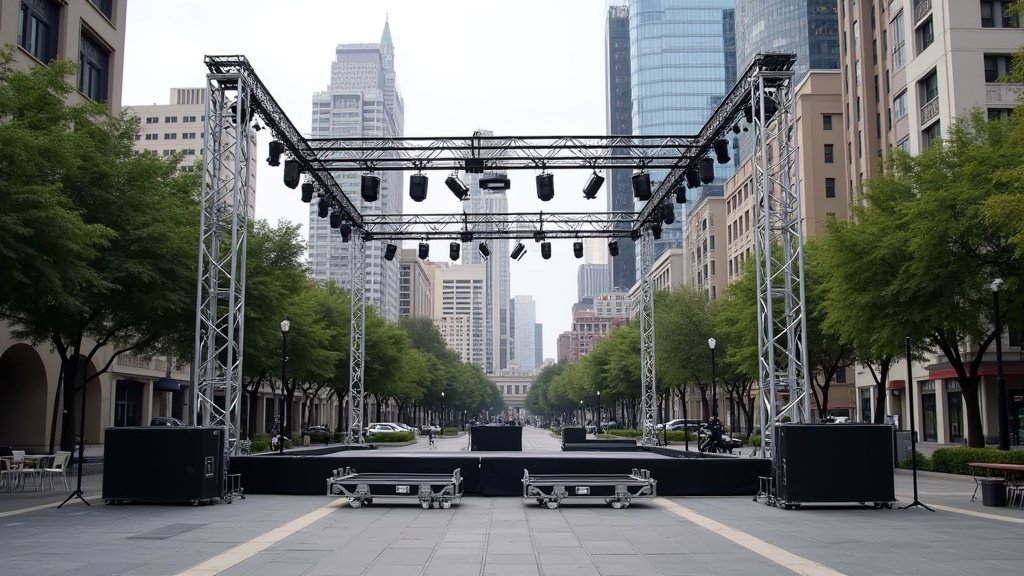
As the curtain was set to rise on the highly anticipated two-week Los Angeles Jazz Festival, organizers have officially confirmed the cancellation of specific performance segments, effectively scrambling the schedule just days before the first downbeat. The sudden announcement has left ticketholders, local vendors, and international artists grappling with last-minute logistical challenges as the city prepares for a significantly altered version of the planned musical celebration.
The cancellation affects key components of the event’s mid-week programming, specifically targeting venues in the downtown district that were slated to host the festival’s ‘Emerging Artists’ showcase. While the primary weekend mainstage events remain unaffected, the dissolution of these weekday segments represents a major disruption to the festival’s comprehensive two-week structure, which serves as a vital economic engine for the local jazz community.
The Unfolding Logistical Crisis
The decision to pull these segments, while sudden, speaks to the immense difficulty of managing a multi-venue, long-form music festival in a city as logistically complex as Los Angeles. Sources familiar with the festival’s operations point to a confluence of factors, ranging from permit delays and unexpected vendor shortages to contract disputes that only reached a breaking point in the final 72 hours before the festival’s intended kickoff.
The ‘Emerging Artists’ showcase, originally designed to spotlight up-and-coming talent in intimate club settings, required specific safety and crowd-control certifications that appear to have been delayed in the final approval phase. This type of administrative bottleneck is not uncommon for large-scale events in urban environments, yet its timing—mere days before the festival—has turned a manageable issue into a high-profile public relations crisis. For the organizers, the priority has shifted from programming to damage control: notifying ticket holders of the schedule gaps, processing partial refunds, and attempting to rebook artists into the remaining weekend slots.
Economic Ripple Effects on LA’s Creative Economy
The Los Angeles Jazz Festival is not merely an artistic showcase; it is a significant contributor to the local economy. The two-week duration usually provides a consistent stream of revenue for downtown hotels, restaurants, and transit services. The abrupt removal of weekday programming creates a ‘hollow’ period in the festival schedule, potentially costing local businesses tens of thousands of dollars in anticipated foot traffic and patronage.
Local restaurant owners in the affected districts, who had geared up for extended hours and special ‘festival-goer’ menus, are now facing the prospect of quiet weekdays during what was supposed to be their busiest period of the year. This cancellation highlights the precarious nature of ‘event-based economics,’ where small businesses hinge their quarterly projections on the influx of tourists and music fans that festivals bring. When these events falter, the financial shockwaves are immediate and felt far beyond the stage doors.
The Complexity of Multi-Week Festival Production
Producing a two-week event requires a level of stamina and resource planning that differs exponentially from a standard three-day weekend festival. The technical requirements alone—ranging from continuous sound engineering to complex unionized stagehand staffing—create a fragile ecosystem. When one piece of this puzzle fails, the ripple effect can force organizers to truncate the entire schedule to preserve the core ‘tentpole’ events.
Historically, festivals in California have faced similar struggles, often battling the intersection of high regulatory standards and the sheer scale of modern production demands. Industry experts note that the ‘two-week’ model is particularly susceptible to these pressures, as it requires a sustained, weeks-long commitment from vendors and support staff who are often stretched thin by competing event contracts. The LA Jazz Festival organizers are now navigating the fallout of these structural limitations, with the industry watching closely to see how they manage the remaining dates and their reputation for future years.
What Attendees Need to Know Now
For those who purchased tickets for the canceled mid-week segments, the situation remains fluid. The festival’s official communication channels have been updated with revised schedules, but many attendees report difficulty reaching customer service representatives. Experts recommend that ticketholders monitor their email for direct correspondence from the festival’s ticketing partner, as automated systems are likely currently processing partial refund tiers.
It is crucial for attendees to refrain from disposing of their original tickets until they have received explicit confirmation of their refund or exchange status. Given the intensity of the scheduling shift, there is a possibility that some artists may be moved to the weekend mainstage, and ticket holders should check the official festival portal frequently for updates on venue changes. The loss of these specific segments is an unfortunate setback, but for the majority of attendees, the festival’s core programming remains intact, offering a sliver of optimism that the event will conclude as a successful, albeit restructured, celebration of jazz.