U.S. Immigration and Customs Enforcement (ICE) is reportedly exploring the creation of ‘mobile detention facilities’ for immigrant detainees, marking a significant escalation in the agency’s broader strategy to manage migration surges. This approach, which involves the utilization of repurposed warehouses and specialized mobile transport units, reflects an urgent effort to expand detention capacity amid fluctuating border encounter numbers. The move signals a shift toward flexible, rapid-deployment infrastructure designed to bypass the limitations of traditional, brick-and-mortar detention centers.
Key Highlights
- ICE is evaluating the use of modular mobile transport units and repurposed industrial warehouse spaces to increase detention throughput.
- The strategy is part of a larger, aggressive push by the Department of Homeland Security (DHS) to manage migrant processing and detention capacity.
- Critics and civil rights organizations, including the American Civil Liberties Union (ACLU), are raising alarms regarding the oversight, health, and legal access standards in non-traditional facilities.
- Private contractors remain central to this expansion, with the government likely leveraging existing master service agreements with major prison operators to manage these new, mobile configurations.
The Logistics of Rapid Expansion: Assessing ICE’s Mobile Strategy
The pivot toward mobile detention represents a tactical response to the logistical challenges of managing immigration processing in real-time. Traditional detention facilities are often constrained by long-term leases, zoning regulations, and capacity ceilings. By contrast, mobile units and repurposed warehouses offer the agility required to scale operations up or down based on current border activity. This tactical shift is not merely a logistical necessity but a strategic transformation of how ICE handles its detainee population.
The Anatomy of Mobile Detention
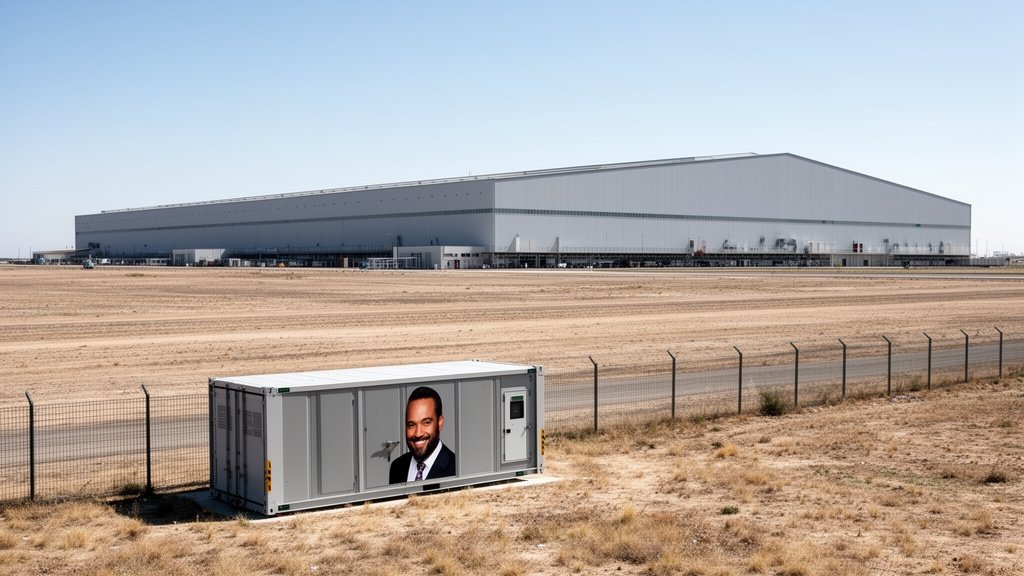
Unlike conventional detention centers, which are designed as permanent, secure environments, the proposed ‘mobile detention facilities’ are expected to rely on modular configurations. These units, which can include retrofitted shipping containers or standardized mobile housing modules, allow for rapid assembly and disassembly. The use of repurposed warehouses further amplifies this capacity; these cavernous industrial spaces can be subdivided and outfitted with temporary barriers, surveillance, and sleeping arrangements significantly faster than new construction projects can be completed.
However, the speed of this deployment raises critical questions regarding safety and human rights. Experts in correctional architecture have noted that converting industrial space for human detention requires extensive retrofitting to meet basic HVAC, sanitation, and life-safety codes. If these conversions are fast-tracked, the risk of substandard living conditions increases, potentially leading to immediate legal challenges.
Oversight and Civil Liberties Concerns
Transparency in these non-traditional facilities remains a primary concern for advocacy groups. Historically, the ACLU and other NGOs have argued that the expansion of detention, particularly in private or non-standard facilities, leads to a decline in oversight. In traditional government-owned facilities, internal compliance protocols are rigorous. In leased, private, or temporary ‘mobile’ settings, these protocols are often fragmented. Access to legal counsel, a fundamental right for detainees, becomes significantly harder when facilities are located in remote or repurposed industrial zones that lack dedicated attorney-client visitation rooms.
Furthermore, the definition of ‘detention’ in a mobile or repurposed warehouse context remains legally contentious. There is a fine line between a processing center and a detention facility, and critics argue that the federal government is effectively blurring these lines to increase the net number of individuals in custody without triggering the heightened public scrutiny that follows the construction of a permanent, massive detention complex.
The Private Contractor Nexus
ICE’s ability to execute this strategy is heavily predicated on its existing partnerships with private prison corporations. Firms such as The GEO Group and CoreCivic have long served as the backbone of the U.S. detention system. Under the current expansion strategy, it is widely anticipated that these companies will provide the operational staff and management services for the new mobile sites. This creates an economic incentive structure where contractors benefit from the rapid expansion of capacity. For investors and stakeholders in the private corrections sector, these mobile strategies represent a unique growth opportunity in an otherwise politically volatile market. The government’s ability to treat detention as a ‘plug-and-play’ utility rather than a capital-intensive fixed asset aligns with a corporate model that favors variable operational costs over long-term facility maintenance.
Secondary Angles: Future Implications and Economic Impact
1. Historical Precedent: Comparing this to past ‘tent city’ initiatives of the early 2000s reveals a cyclical pattern. Mobile detention is rarely a long-term solution; it often evolves into permanent ‘temporary’ facilities, creating a ‘semi-permanent’ infrastructure that is difficult to dismantle.
2. Fiscal Efficiency vs. Human Cost: While proponents argue that mobile units save taxpayer dollars by avoiding new construction, this ignores the hidden costs of litigation, emergency medical interventions, and the systemic strain on local communities where these warehouses are situated.
3. Future Predictions: As technology advances, we may see the introduction of ‘smart’ detention units equipped with AI-driven surveillance and automated logistics, further distancing the human detainees from direct human oversight, thus intensifying the debate over dehumanization in the immigration system.
FAQ: People Also Ask
Q: Why is ICE moving away from traditional facilities?
A: ICE is shifting toward mobile and repurposed options primarily for speed and flexibility. These units can be deployed rapidly in response to sudden surges in border encounters, avoiding the multi-year timelines required to build or expand brick-and-mortar detention centers.
Q: Are mobile detention centers safer or worse than standard jails?
A: Critics, including civil rights organizations, argue that these facilities are inherently risky due to the challenges of retrofitting industrial spaces for long-term human habitation and the historical lack of independent oversight in non-traditional detention sites.
Q: What role do private prison contractors play in this?
A: Private contractors provide the management, staffing, and, in some cases, the logistical support for these mobile setups, often utilizing existing master service agreements with the federal government to ensure quick deployment and operational continuity.
Q: Where are these facilities being considered?
A: While locations are often kept confidential for security and operational reasons, reports suggest these units are being considered in regions near high-traffic border sectors and in major logistics hubs where warehouse space is readily available.