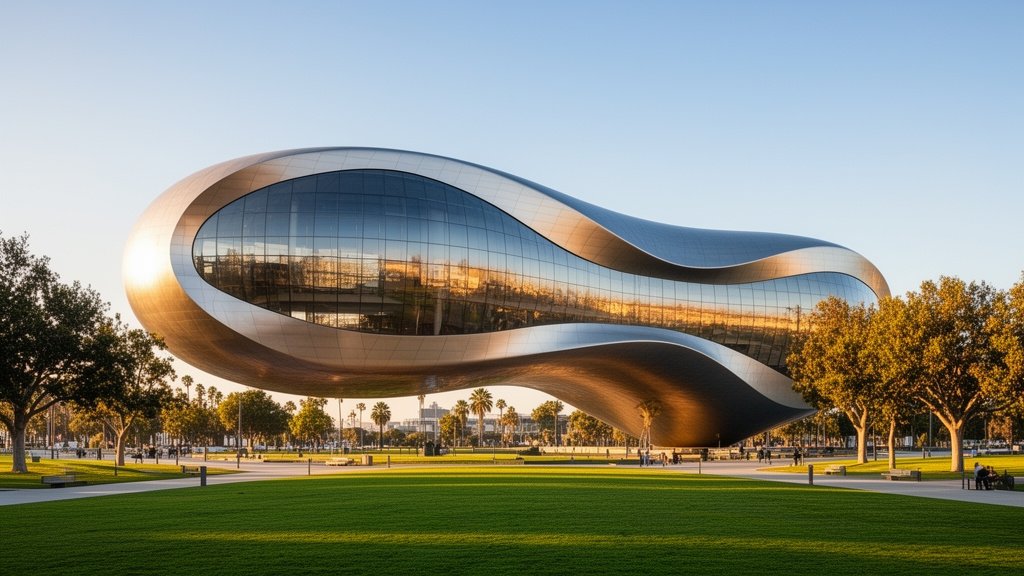
The Lucas Museum of Narrative Art has officially opened its doors in South Los Angeles, marking a watershed moment for the city’s cultural landscape. Situated in the heart of Exposition Park, the museum—founded by filmmaker George Lucas and his wife, businesswoman Mellody Hobson—stands as a sprawling, futuristic architectural icon dedicated to the power of visual storytelling. Designed by Ma Yansong of MAD Architects, the facility aims to bridge the gap between high art and popular culture, offering a unique venue that houses everything from classical paintings to the foundational artifacts of modern cinema.
Key Highlights
- Architectural Innovation: Designed by MAD Architects with a distinct, organic, and futuristic aesthetic, the structure appears to float above the park, creating a seamless integration between indoor and outdoor spaces.
- Unprecedented Scope: The facility features dozens of expansive galleries, dedicated research laboratories, and state-of-the-art screening rooms designed to celebrate ‘narrative art’—the art of telling stories through visual media.
- Location and Accessibility: Located in Exposition Park, the museum joins a historic cluster of cultural and educational institutions, bolstering South Los Angeles as a premier destination for arts and learning.
- Mission-Driven Design: Beyond the art, the museum emphasizes public green spaces, with extensive landscaping designed to encourage community interaction and leisure in an urban environment.
The Architecture of Tomorrow: A New Cultural Hub
The architectural identity of the Lucas Museum of Narrative Art is nothing short of transformative. From the moment visitors approach the site in Exposition Park, the sheer scale of the vision becomes apparent. The building does not follow the rigid, rectangular norms of traditional museum design; instead, it adopts a fluid, curvilinear silhouette that feels more akin to a vessel of the future than a static gallery space.
Architectural Fluidity and Integration
Ma Yansong, the lead architect from MAD Architects, has consistently argued that museums should be extensions of nature rather than barriers to it. This philosophy is embedded in the museum’s DNA. By elevating the structure, the design allows for an unobstructed flow of public green space beneath the museum’s main body. This unique structural choice ensures that the project gives back to the park it inhabits, providing shaded areas and interconnected pathways for the residents of South Los Angeles. The exterior cladding, which features metallic and glass surfaces, is engineered to catch the distinct Los Angeles sunlight, shifting in appearance throughout the day and reflecting the surrounding canopy of trees and the urban horizon.
Defining ‘Narrative Art’
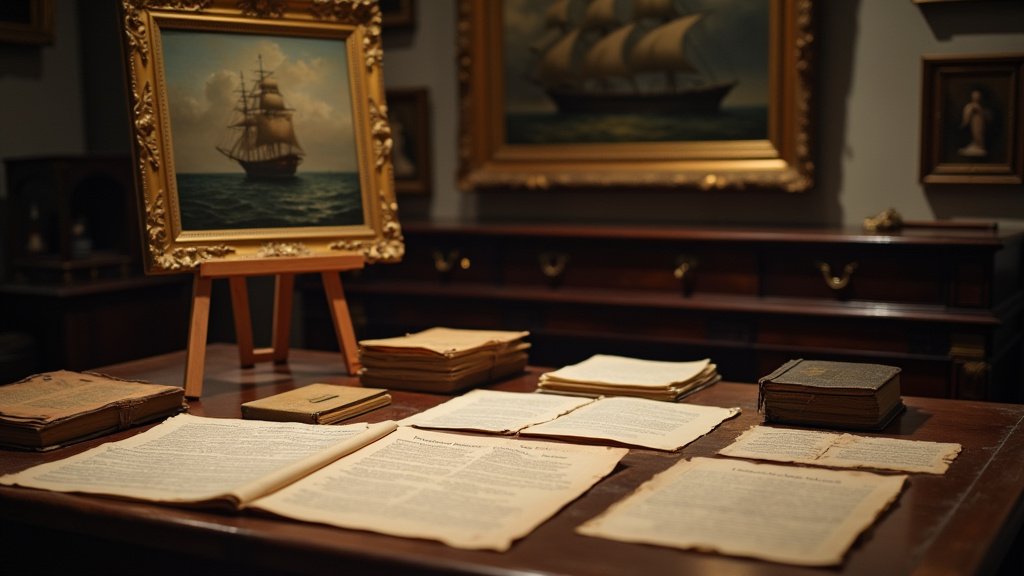
The core mission of the institution is to define and champion ‘narrative art’—a broad category that encompasses work designed to tell a story, regardless of the medium. For decades, traditional institutions have often drawn sharp, exclusionary lines between ‘high art’—such as oil paintings or historical tapestries—and ‘pop culture’ art, like comic strips, illustration, and film concept art. The Lucas Museum is actively dismantling these hierarchies. Within its walls, a Norman Rockwell painting holds the same curatorial weight as a storyboard from an iconic science fiction film. This curatorial approach invites visitors to consider the common threads of human experience across different eras and formats.
Economic and Community Impact
The arrival of the museum in South Los Angeles is expected to have a profound socioeconomic impact. Exposition Park is already home to the Natural History Museum and the California Science Center; the addition of the Lucas Museum creates a ‘cultural trifecta’ that is positioned to attract millions of visitors annually. This influx of tourism is anticipated to spur local economic activity, supporting nearby businesses and encouraging further development in the South LA corridor. Furthermore, the museum’s commitment to education, evidenced by its dedicated research facilities, promises to provide youth in the surrounding neighborhoods with unprecedented access to digital media training, archival science, and art history.
Future Implications: Why This Matters
The long-term significance of this opening cannot be overstated. By anchoring such a significant project in South Los Angeles, George Lucas and Mellody Hobson have signaled a commitment to decentralizing the art world. Historically, major cultural institutions have clustered in wealthy, coastal, or downtown business districts. By placing a multi-billion-dollar investment in a historic park in the southern part of the city, the museum serves as a powerful testament to the idea that culture belongs to the community at large.
As the facility begins its inaugural exhibition schedule, the focus will likely shift to how these collections are managed. The museum holds a vast archive of film history, including artifacts from the Star Wars franchise, which will likely serve as a massive draw for intergenerational audiences. However, the true success of the museum will be measured by its ability to engage diverse audiences—from local families visiting for the weekend to international scholars conducting research in the facility’s libraries. The integration of technology and art, combined with the museum’s public-forward design, positions it as a potential blueprint for 21st-century cultural institutions globally.
FAQ: People Also Ask
1. What is the main focus of the Lucas Museum of Narrative Art?
The museum focuses on ‘narrative art,’ which is defined as art that tells a story. This includes paintings, illustrations, comic art, photography, and film-related items, aiming to connect popular culture with traditional fine art.
2. Where exactly is the Lucas Museum located?
The museum is situated in Exposition Park in South Los Angeles, adjacent to other major institutions like the Natural History Museum and the California Science Center.
3. Is the museum open to the public?
Yes, the facility is now officially open to the public, following the completion of construction and the installation of its primary galleries and research facilities.
4. Who designed the museum?
The architectural design was led by Ma Yansong of the firm MAD Architects, known for their futuristic and nature-inspired approach to large-scale infrastructure.