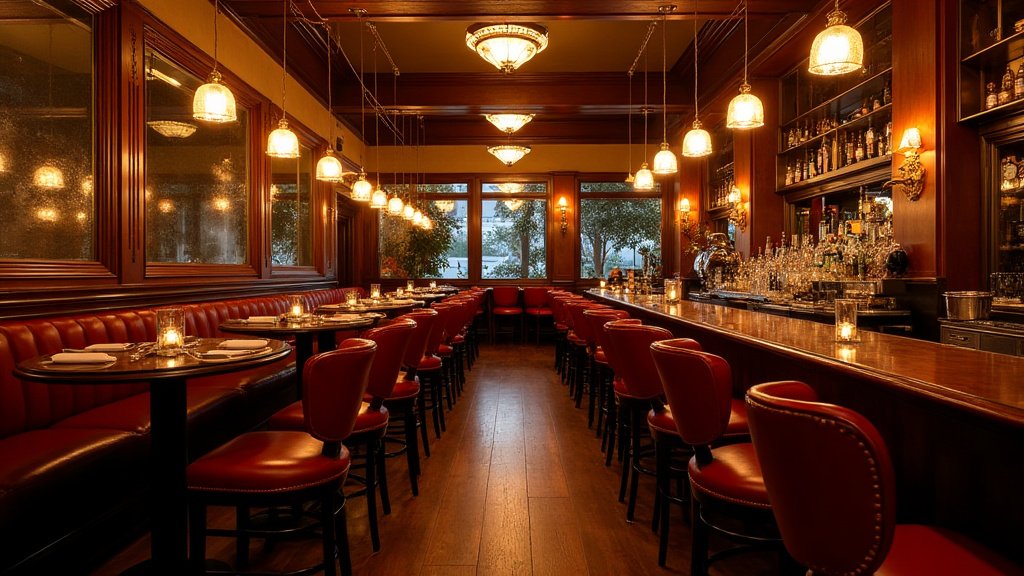
The neon signage of 118 E 6th Street flickered back to life this week, marking the official return of Cole’s, the venerable institution widely recognized as one of the twin originators of the French dip sandwich. Following a necessary period of closure that began in March 2026, the restaurant has reopened its doors under new ownership, presenting a carefully curated equilibrium between its Gilded Age history and the demands of the modern downtown Los Angeles dining scene. For locals and historians alike, the reopening represents more than just a menu refresh; it is the stabilization of a cultural touchstone that has weathered over a century of urban transformation.
A Century of Culinary Heritage
To understand the significance of Cole’s, one must look back to 1908. Established by Henry Cole, the venue has long claimed the title of the ‘French Dip originator,’ a claim contested only by Philippe the Original, another century-old LA staple. For decades, the debate over who truly dipped the first sandwich has served as a central pillar of Los Angeles culinary lore. The restaurant’s architecture, characterized by its long, polished mahogany bar and distinctive red leather booths, has survived prohibition, urban decay, and the recent revitalization of the downtown corridor. The new ownership team has emphasized that the physical restoration was guided by a philosophy of ‘honest preservation,’ ensuring that the venue feels like the Cole’s of the past while operating with the precision of a modern establishment.
The Restoration: Modernizing the Classic Interior
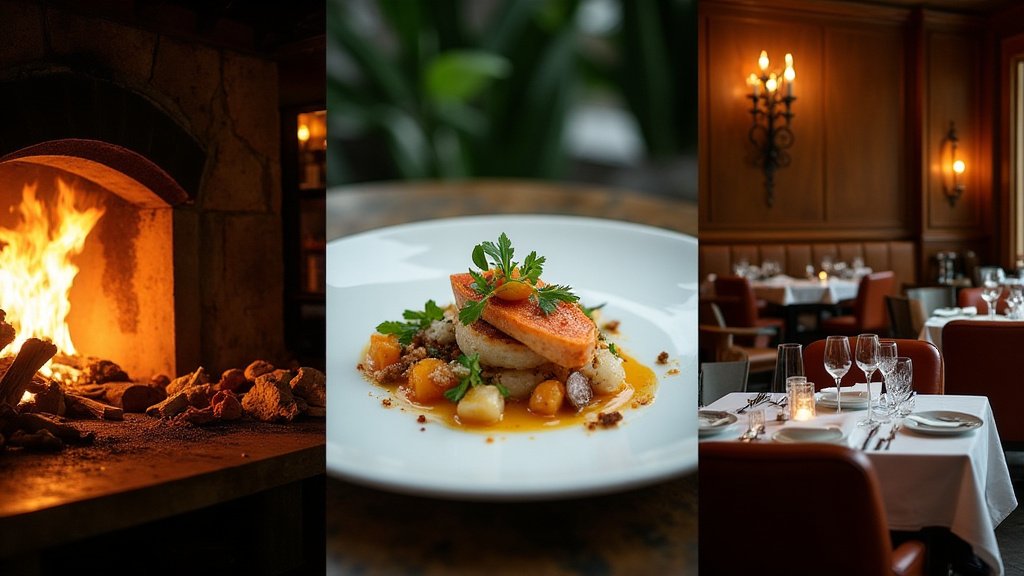
When patrons step through the doors, the first thing they notice is that the familiar silhouette of the interior remains intact. The new ownership made a conscious decision to retain the original brass fixtures, the worn hardwood floors, and the iconic booths that have hosted everyone from early 20th-century laborers to modern-day downtown influencers. However, the ‘modernization’ efforts are subtle yet impactful. Lighting has been upgraded to warmer, more flattering LED-based amber bulbs, and the sound system has been overhauled to ensure that the room’s notorious acoustics—which often resulted in a cacophonous din—are now managed with acoustic dampening that remains invisible to the naked eye. This restoration is part of a broader trend in L.A. hospitality where historic sites are treated as assets to be stewarded rather than renovated beyond recognition.
The New Culinary and Cocktail Strategy
While the atmosphere stays true to the 1908 roots, the menu has undergone a rigorous audit. The signature French dip remains the star—featuring the same high-quality roast beef and the requisite beef jus—but the accompanying sides have received a contemporary overhaul. New additions include seasonal vegetable preparations that reflect California’s current agricultural bounty, replacing more dated cafeteria-style sides. The cocktail program, overseen by a new beverage director, leans heavily into the pre-prohibition aesthetic. The bar now features a focused list of classic whiskey and rye-based cocktails, a nod to the era when Cole’s first opened its doors, while incorporating modern craft ice and house-made bitters to elevate the experience. This blend of classicism and craft is intended to attract a diverse demographic, from lunch-hour office workers to late-night destination diners.
Economic Impact and Urban Preservation
The reopening of Cole’s serves as a barometer for the health of the downtown Los Angeles hospitality economy. The closure in March 2026 was largely viewed as a symptom of broader labor and inflationary pressures facing historic restaurants in high-density areas. By successfully reopening, the new owners are signaling confidence in the future of the Historic Core. Experts suggest that the survival of venues like Cole’s is essential to the identity of downtown; as new high-rise developments continue to change the skyline, the preservation of ‘anchor’ businesses provides the necessary continuity for the neighborhood to feel like a cohesive community rather than a collection of isolated, modern developments.
Future Predictions: The Institutional Shift
Looking ahead, Cole’s is positioning itself to be more than a lunchtime destination. The management team has expressed interest in expanding operating hours and potentially utilizing the space for private historical tours and cocktail masterclasses. As the city continues to grapple with housing and commercial density, the ability of historic venues to adapt—while staying true to their ‘brand heritage’—will likely determine which establishments survive the next decade. If the initial opening weeks are any indication, the ‘new’ Cole’s has found a successful formula: respect the sandwich, honor the history, but upgrade the delivery.
FAQ: People Also Ask
Q: Did the recipe for the French dip change under new ownership?
A: No. The core recipe, including the roasting method for the beef and the preparation of the signature jus, remains consistent with the restaurant’s historic standards. The menu changes are focused on sides and beverage options.
Q: Is the restaurant still located in the Historic Core?
A: Yes, Cole’s remains at its original location, 118 E 6th St, Los Angeles, CA 90014.
Q: Why was Cole’s closed in March 2026?
A: The closure was a result of operational transitions under the new ownership, allowing for necessary restorative work on the building’s infrastructure and a strategic overhaul of the menu and service model.
Q: Does Cole’s accept reservations?
A: Following the reopening, the establishment is operating on a hybrid model, balancing walk-in availability for the bar and counter with reservation options for the main dining area.