Google’s AI Agent Makes History in Cybersecurity
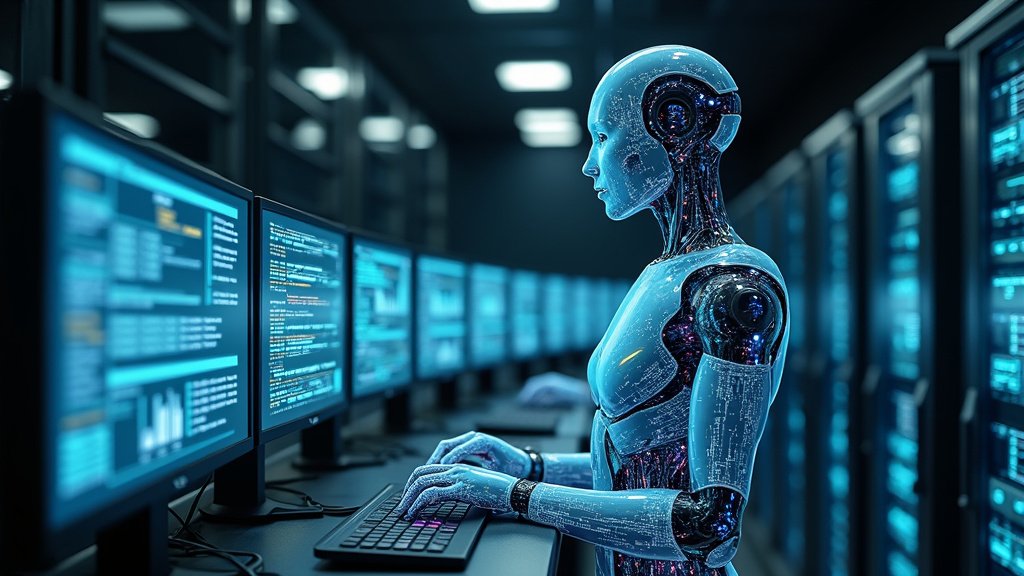
In a groundbreaking development for artificial intelligence and cybersecurity, Google’s AI agent, known as Big Sleep, has identified a critical security vulnerability. This marks a significant milestone, as the discovery was made by an AI agent, setting a precedent for the role of AI in uncovering security flaws. The news was reported on July 17, 2025, highlighting the rapid evolution of AI’s capabilities and its growing significance in protecting digital infrastructure.
AI’s Expanding Role in Security
The discovery by Big Sleep underscores the increasing importance of AI in the realm of cybersecurity. Traditional methods of identifying vulnerabilities often rely on human expertise, which can be time-consuming and prone to human error. AI agents, on the other hand, can analyze vast amounts of data at speeds far exceeding human capabilities, potentially uncovering complex vulnerabilities that might otherwise go unnoticed. This particular finding by Big Sleep suggests a shift towards AI-driven security solutions, potentially leading to more proactive and efficient protection mechanisms.
The utilization of AI in cybersecurity is not entirely new, but this instance, where an AI agent made the initial discovery of a critical vulnerability, represents a major advancement. It signals a transition from AI being used as a support tool to AI taking a leading role in identifying and mitigating threats. This could have profound implications for the future of digital security, as AI agents become integral in protecting systems from sophisticated attacks.
The Significance of the Discovery
The specific nature of the discovered vulnerability and the systems it impacts were not provided in the source information. However, the fact that it is deemed “critical” suggests that it presents a significant risk to the affected systems. Critical vulnerabilities often allow attackers to gain unauthorized access to systems, steal sensitive data, or disrupt critical operations. The early identification of such vulnerabilities is therefore of paramount importance in maintaining the security and integrity of digital assets.
This event emphasizes the need for organizations to adapt their security strategies to incorporate AI-powered solutions. This could include deploying AI agents like Big Sleep to proactively scan for vulnerabilities, monitor network traffic for suspicious activity, and automatically respond to threats. The integration of AI into cybersecurity frameworks is a crucial step in staying ahead of increasingly sophisticated cyberattacks.
The Future of AI in Cybersecurity
The successful discovery by Big Sleep is likely to encourage further investment and research in AI-driven security solutions. As AI technology continues to advance, we can expect to see more sophisticated AI agents capable of identifying and neutralizing a wider range of threats. The ongoing development of AI in cybersecurity could involve creating AI agents that can not only detect vulnerabilities but also automatically patch them, further reducing the time it takes to mitigate risks.
Furthermore, this event could lead to greater collaboration between AI developers, cybersecurity experts, and researchers. Sharing knowledge and resources will be essential for staying ahead of cyber threats. This collaborative effort will enable the creation of more robust and effective security solutions powered by AI. The continuous evolution of AI in cybersecurity promises a more secure digital landscape, providing greater protection for individuals and organizations alike. The discovery by Big Sleep serves as a testament to the potential of AI in this critical field and a call to action for continued innovation and investment in AI-powered security solutions.