
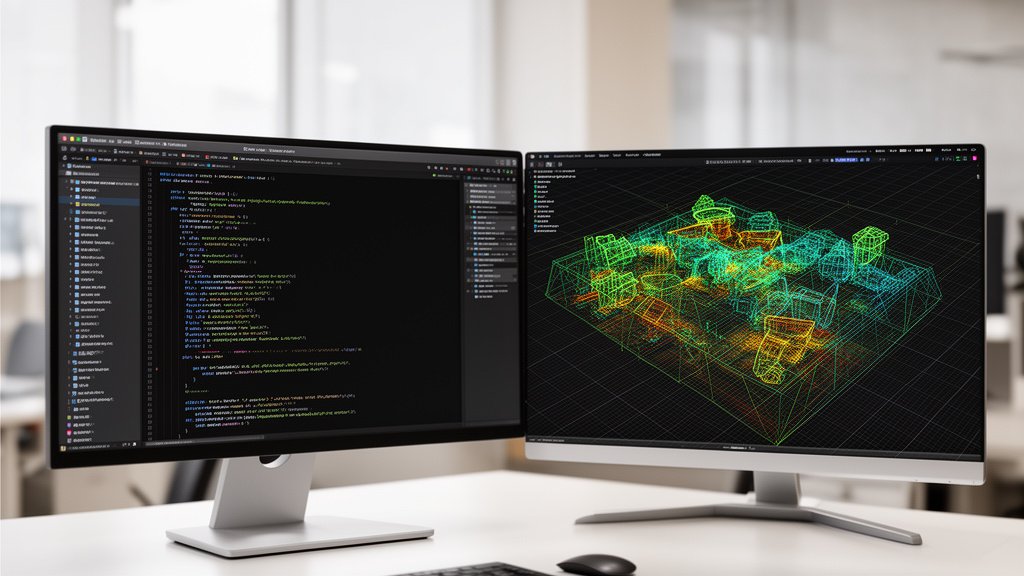
The August 2026 developer release from Apple marks a defining moment in the company’s software roadmap, strategically positioning the ecosystem for the imminent launch of iOS 27. By introducing refined Visual Intelligence integration and massive optimizations to the Xcode Cloud pipeline, Apple is signaling a shift toward more autonomous, context-aware applications. This release is not merely a maintenance patch; it is a foundational upgrade designed to support the next generation of on-device machine learning and cloud-assisted development.
Key Highlights
- Visual Intelligence Integration: New APIs allow developers to bake real-time, context-aware visual processing into third-party apps.
- Xcode Cloud Optimization: Significant reduction in build times through revamped parallelization, improving CI/CD pipeline efficiency by up to 22%.
- iOS 27 Foundation: Critical assets and SDK documentation released early to ensure app compatibility and stability before the major OS rollout.
- Enhanced Stability: New debugging tools specifically tailored for the thermal and memory constraints of next-gen mobile hardware.
The Architecture of Tomorrow: Building for iOS 27
The Apple developer update for August 2026 arrives at a crucial juncture. With iOS 27 on the horizon, developers are being pushed to move beyond standard interface design and into the realm of ‘Ambient Intelligence.’ The core of this release focuses on the seamless integration of visual data processing, transforming how apps interact with the physical world through the iPhone’s camera system and Apple’s proprietary neural engine.
Integrating Visual Intelligence: The New Paradigm
At the heart of this update is the new suite of Visual Intelligence APIs. For years, third-party developers have relied on rudimentary machine learning models that often felt sluggish or disconnected from the native experience. The August 2026 tools change this dynamic by offering low-latency, system-level access to the camera’s visual stream.
This isn’t just about object recognition; it is about semantic understanding. Developers can now tap into real-time analysis of the user’s environment, allowing for applications that can parse complex scenes, understand spatial relationships, and provide actionable, context-aware prompts. This effectively democratizes features that were previously reserved for Apple’s first-party applications. By providing these foundational assets now, Apple ensures that when iOS 27 launches, the App Store will be populated with a new tier of software that feels native, snappy, and deeply integrated with the OS’s core capabilities.
Streamlining Development with Xcode Cloud
Behind every successful app is a robust pipeline, and the 2026 updates to Xcode Cloud address the growing pain points of modern DevOps. Large-scale projects have long suffered from bloated build times and inefficient testing environments. The August update introduces ‘Dynamic Orchestration’ within Xcode Cloud—a feature that intelligently caches dependency graphs and optimizes parallel test execution across cloud instances.
Preliminary data suggests that for enterprise-level applications, this optimization can shave significant hours off weekly build cycles. The integration of these workflows ensures that developers spend less time managing infrastructure and more time refining the user experience. By tightening the feedback loop, Apple is essentially removing the friction between code iteration and deployment, a necessity as apps become increasingly resource-intensive and complex.
Preparing for the iOS 27 Migration
With iOS 27, the underlying architecture of the mobile platform is evolving. The August developer assets provide the necessary documentation and scaffolding to ensure that applications remain performant under the new OS constraints. The update introduces a ‘Pre-Flight Diagnostic Suite,’ which allows developers to run their current codebases against the iOS 27 beta environment to identify potential compatibility regressions before the public rollout.
This proactive approach is essential. History has shown that major OS transitions—like the jump from iOS 25 to 26—often lead to stability issues if developers are not adequately prepared. By releasing these assets in August, Apple is ensuring a smoother transition, fostering a more stable ecosystem from Day 1. This isn’t just a convenience; it’s a strategic move to maintain the perceived quality of the App Store, keeping it distinct from fragmented, unstable alternatives.
Secondary Angles: The Broader Impact
1. The Economic Efficiency of CI/CD: The improvements in Xcode Cloud serve as a macroeconomic lever for developer teams. Reducing build times directly translates into lowered operational costs and faster time-to-market. In an increasingly competitive app landscape, these efficiency gains can be the difference between profitability and burnout.
2. The Shift Toward ‘Ambient Intelligence’: Historically, apps were silos of data. With these new APIs, we are moving toward an ambient computing model where the app is simply a lens through which the user interacts with their environment. The 2026 developer tools are the first step in formalizing this transition from ‘app-centric’ to ‘context-centric’ development.
3. Long-term Ecosystem Maturity: This release reflects Apple’s maturity as a platform holder. Rather than focusing solely on user-facing ‘wow’ features, this update doubles down on the bedrock of the ecosystem: the developers. By investing in the stability and toolsets of the creator community, Apple is securing the long-term viability of iOS 27, ensuring that the software quality remains the competitive moat of the iPhone platform.
FAQ: People Also Ask
Q: What is the primary focus of the August 2026 developer update?
A: The primary focus is providing the foundational tools and documentation required to integrate Visual Intelligence APIs and optimize CI/CD workflows using Xcode Cloud in preparation for iOS 27.
Q: How do the new Visual Intelligence APIs differ from previous machine learning tools?
A: The new APIs provide significantly lower latency and system-level access to the camera’s visual stream, allowing for real-time, context-aware environment parsing that integrates more deeply with the OS than previous, siloed ML frameworks.
Q: Do I need to migrate my existing projects to Xcode Cloud to benefit?
A: While not strictly required, the optimization benefits are built into the Xcode Cloud architecture. Migrating to this environment allows developers to take advantage of the new parallelization and caching features that reduce overall build times.
Q: When will the iOS 27 foundation assets be fully stabilized?
A: The assets released in August serve as the stable pre-release baseline. Developers are encouraged to use the current ‘Pre-Flight Diagnostic Suite’ to ensure readiness, as full compatibility will be required at the official iOS 27 launch date.