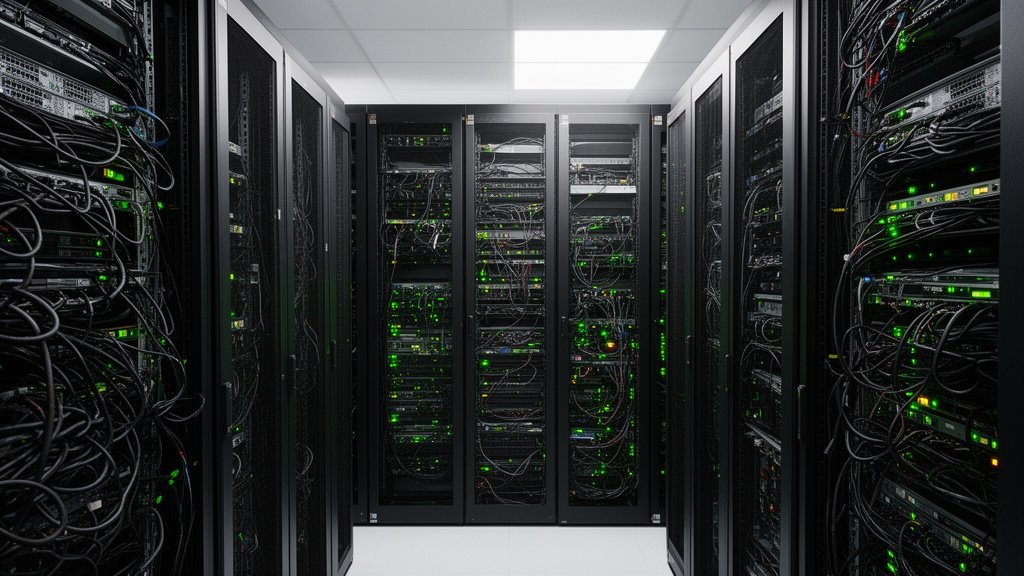
In an era of hyper-connected commerce and travel, the phrase “the system is down” has evolved from a minor nuisance into a global economic tremor. Following a string of high-profile technology outages—most notably the catastrophic CrowdStrike incident on July 19, 2024—public discourse has rapidly spiraled toward speculation of state-sponsored cyber-attacks and coordinated digital warfare. However, as organizations scramble to restore services, cybersecurity experts and infrastructure analysts are identifying a far less nefarious, yet equally concerning, culprit: the fragility of a complex, aging global technology stack. The gap between public perception of malicious intent and the reality of technical entropy has never been wider.
Key Highlights
- The CrowdStrike Catalyst: The July 2024 outage, which affected roughly 8.5 million Windows devices globally, was caused by a faulty software update, not a malicious cyber-attack, highlighting the dangers of centralized critical software.
- The Myth of Malice: Public anxiety often leads to conspiracy theories surrounding outages; however, data indicates that configuration errors and legacy system failures are statistically more frequent than state-sponsored cyber warfare.
- Technical Debt Crisis: Many critical sectors, including banking and air travel, continue to rely on antiquated software (legacy code) that is struggling to integrate with modern cloud-based automation tools.
- The Complexity Paradox: As infrastructure becomes more connected and automated, the “blast radius” of a single error increases, turning a minor oversight into a global crisis.
The Illusion of Malice: Why We Fear the Hack
There is a psychological comfort in believing that a global outage is the result of a mastermind hacker or a hostile nation-state. If the enemy is a tangible actor, there is a strategy to defeat them, a way to retaliate, or a method to secure the border. The alternative—that our global economy is built on a house of cards, maintained by overworked IT teams and fragile software dependencies—is a far more unsettling proposition.
The Anatomy of the 2024 CrowdStrike Incident
When Microsoft and CrowdStrike encountered their massive outage in July 2024, the immediate reaction on social media platforms was a flurry of conspiracy theories involving foreign intelligence agencies. Within hours, these theories were debunked. The reality was a mundane failure of Quality Assurance (QA) in a routine software update. This event serves as a masterclass in the “Complexity Paradox.” When we automate critical infrastructure to increase efficiency, we simultaneously introduce single points of failure. The irony is that the security software designed to protect the system became the very thing that broke it, proving that in modern IT, the greatest threat is often our own architecture.
The Unseen Burden: Technical Debt
While software updates like CrowdStrike capture headlines, the underlying issue for many banking and travel systems is “technical debt.” For decades, institutions have layered modern digital interfaces over legacy infrastructure. Systems built in the 1980s or 90s, often running on COBOL or older mainframe architectures, are being asked to interface with real-time cloud computing, AI-driven data processing, and instantaneous mobile transactions.
This creates a precarious environment. When an airline or a bank experiences an outage, it is rarely because a hacker breached the firewall. More often, it is because a patch for a modern application triggered an incompatibility with a legacy backend database. This is not a security failure; it is a structural fatigue. Replacing these systems is a multi-billion dollar, multi-year undertaking that many companies have deferred in favor of short-term quarterly profits.
Why Conspiracy Theories Thrive in the Black Box
As technical systems become more abstract, the general public loses the ability to understand how they work. When a banking portal goes offline, the average user does not know about API latency, server load balancing, or distributed denial-of-service (DDoS) mitigation strategies. They only know their money is inaccessible. In this vacuum of technical understanding, conspiracy theories flourish. These narratives provide a simple, coherent explanation for a confusing reality. Whether it is “The Great Reset” or alleged cyber-warfare, these stories are social responses to the feeling of powerlessness in the face of algorithmic control.
The Reality of Modern Cybersecurity
This is not to say that cyber-attacks are non-existent. Ransomware attacks against critical infrastructure are at an all-time high, and state-sponsored actors are continuously probing the defenses of Western power grids and communication networks. However, conflating a malicious hack with an operational outage misdirects resources.
If the public and policymakers believe every outage is a hack, they will demand solutions like “cyber-fences” and military intervention. If they recognize that outages are a symptom of neglected infrastructure, the conversation shifts toward massive public-private investment in digital resilience, modernizing legacy systems, and slowing down the “move fast and break things” ethos of software deployment. We are facing a crisis of reliability, and the solution is engineering, not espionage.
FAQ: People Also Ask
Q: Was the July 2024 CrowdStrike outage a cyber-attack?
A: No. CrowdStrike and Microsoft confirmed that the outage was triggered by a defective configuration update to the Windows operating system. It was a software quality control error, not a malicious hack or an intentional breach.
Q: Why are there so many tech outages recently?
A: There is a convergence of several factors: the increasing centralization of critical services (relying on a few big tech providers), the integration of modern cloud software with aging legacy systems, and an industry-wide push for rapid updates that sometimes bypass rigorous testing environments.
Q: Is my money safe in a bank during a tech outage?
A: Generally, yes. Outages typically affect the interface (the ability to see your balance or make a transfer), not the underlying ledger. Banking infrastructure is heavily audited, redundant, and backed up. An outage is usually a temporary access issue, not a loss of assets.
Q: What is ‘Technical Debt’?
A: Technical debt is the implied cost of additional rework caused by choosing an easy, limited solution now instead of a better, more comprehensive approach that would take longer. In IT, it refers to keeping old, inefficient systems running because upgrading them is expensive and risky.