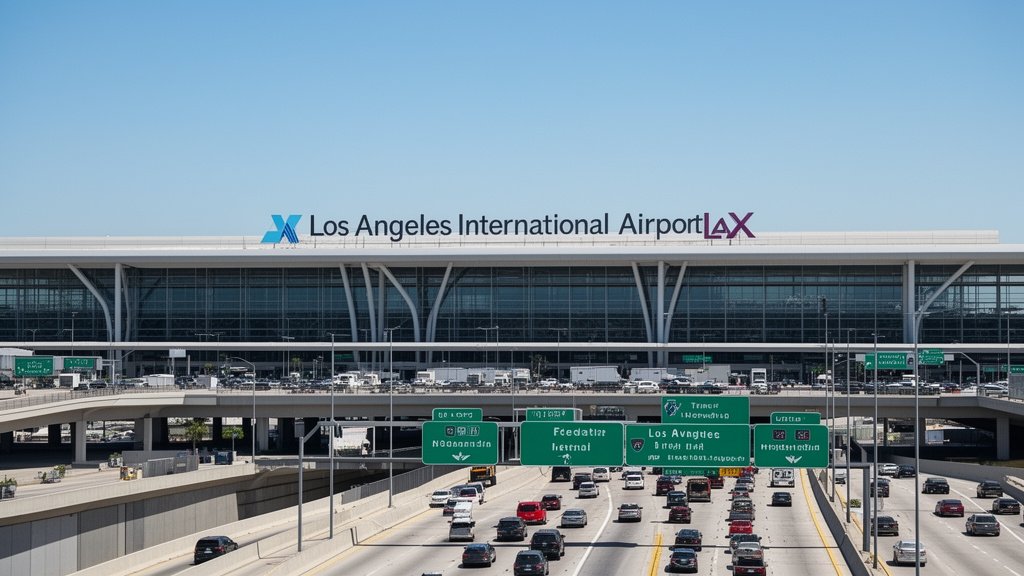

A relentless heat dome continues to punish Southern California, with Los Angeles and Orange counties under strict advisories as temperatures climb to record-challenging highs of 37°C (99°F). While a slight maritime breeze may offer brief respite to coastal communities, the inland valleys remain trapped in dangerous heat conditions until a definitive cooling trend arrives this Friday.
Key Highlights
- Extreme Heat Warnings: Active alerts remain in effect across Los Angeles and Orange counties due to prolonged exposure to triple-digit heat and high humidity.
- Record-Challenging Temps: Inland regions are experiencing temperatures hitting 37°C (99°F), testing the upper limits of seasonal norms.
- The Cooling Outlook: Meteorologists confirm that a broad cooling trend will push inland by Friday, signaling the end of the current heat emergency.
- Coastal vs. Inland: While coastal areas are seeing minor relief via ocean breezes, inland zones remain under extreme danger.
The Grip of the Heat Dome: Understanding the Current Crisis
The Southern California landscape is currently held hostage by a formidable high-pressure system, commonly referred to by meteorologists as a “heat dome.” This atmospheric phenomenon acts like a lid on a pot, trapping hot air near the surface and preventing the normal cooling cycles that usually occur overnight. For residents of Los Angeles and Orange counties, this means that even after the sun sets, the relief expected from the Pacific Ocean’s cooling influence is largely negated.
Meteorological Mechanics: Why the Heat Persists
The National Weather Service (NWS) has noted that the current ridge of high pressure is exceptionally stagnant. Unlike typical weather patterns that move through a region, this system has anchored itself over the Southwest. The result is a prolonged duration of excessive heat that strains human infrastructure and biological tolerance. While coastal communities have the benefit of the marine layer—a blanket of low-level clouds that provides a natural shield from the sun—this layer is currently too shallow to reach the inland valleys effectively. It is this specific lack of penetration that leaves residents in regions like the San Fernando Valley and parts of Orange County exposed to the full, unfiltered brunt of the solar radiation, keeping temperatures hovering at the 37°C mark.
Grid Strain and Utility Readiness
The Southern California Edison (SCE) and the Los Angeles Department of Water and Power (LADWP) are operating on high-alert status. Prolonged heat waves do not merely affect human comfort; they place an exponential strain on the electrical grid as air conditioning demand spikes simultaneously across residential and commercial sectors. Utilities have been forced to implement load-management protocols to prevent brownouts. Historical data suggests that the third and fourth days of such heat waves are the most critical, as the thermal mass of buildings retains heat, leading to sustained, rather than peak-only, energy consumption.
Public Health: Recognizing the Warning Signs
Health officials are urging extreme caution. At 37°C, the body’s ability to cool itself through perspiration is drastically reduced, especially when humidity levels fluctuate. Heat exhaustion, which can escalate quickly into heat stroke, is the primary concern for vulnerable populations, including the elderly, young children, and those working outdoors. The medical community emphasizes that hydration alone is not enough; individuals must seek shade and climate-controlled environments. Symptoms of heat-related illness—dizziness, rapid pulse, and confusion—should be treated as medical emergencies.
Navigating the Danger: Safety Protocols and Economic Outlook
Beyond the immediate physical danger, the economic and social implications of a multi-day heat event are profound. Local businesses, particularly those reliant on foot traffic or outdoor services, face a significant downturn in activity, while energy costs for both households and businesses skyrocket, creating a “heat tax” that disproportionately affects low-income families.
Economic Implications of Prolonged Heat
The ripple effect of this heat wave extends into the local economy. Productivity in outdoor industries, such as construction and landscaping, effectively grinds to a halt during the peak hours of 10:00 AM to 6:00 PM. This work stoppage, while necessary for safety, creates a bottleneck in project timelines and increases operational costs. Furthermore, retailers in the region have reported a surge in demand for cooling appliances, often depleting inventories of portable fans and AC units, further highlighting the economic strain of unexpected climate spikes.
Historical Context: How This Wave Compares
When viewing this event through a historical lens, we see a recurring pattern of intensifying late-summer extremes. While California is accustomed to hot summers, the frequency and duration of these heat events have seen a marked increase over the last decade. Climate analysts at regional universities point toward the strengthening of the “Pacific High” as a primary driver, though global temperature trends cannot be ignored. This particular event, while not the most intense on record, is noteworthy for its endurance, bridging the gap between typical seasonal variance and the more dangerous, multi-day heat events that are becoming the new normal for Southern California.
Looking Toward Friday’s Relief
The forecast for the remainder of the week offers a concrete light at the end of the tunnel. Meteorological models are tracking an approaching trough of low pressure from the Pacific Northwest, which is expected to erode the high-pressure ridge. By Friday, this system will introduce a stronger onshore flow, effectively flushing out the stagnant, hot air and bringing in cooler air from the coast. This shift will mark the end of the extreme heat warnings. However, experts caution that residents must remain vigilant until the final transition occurs on Friday, as the hottest temperatures often precede the arrival of the cooling front due to compression effects in the atmosphere.
FAQ: People Also Ask
Q: Why is it 37°C inland but cooler on the coast?
A: The coast benefits from a “marine layer,” a thin, cool, and moist air mass that sits directly over the ocean. Inland, the topography blocks this layer, allowing the sun to heat the land and the air above it without the cooling interference of the Pacific.
Q: When exactly will the temperature start to drop?
A: Forecast models indicate that the shift will begin on Friday. While some minor relief may be felt Thursday evening, the most significant temperature drop will occur throughout Friday as the onshore wind flow strengthens.
Q: Is this heat wave considered a record-breaking event?
A: It is currently classified as “record-challenging.” While it is reaching extreme levels, it is being monitored closely to see if it surpasses the historical maximums established for this specific time of year in the affected counties.
Q: What should I do if I see someone struggling with the heat?
A: Move them to a shaded or air-conditioned area immediately, offer water, and loosen any restrictive clothing. If the individual shows signs of confusion, fainting, or cessation of sweating, call emergency services immediately, as these are signs of heat stroke.