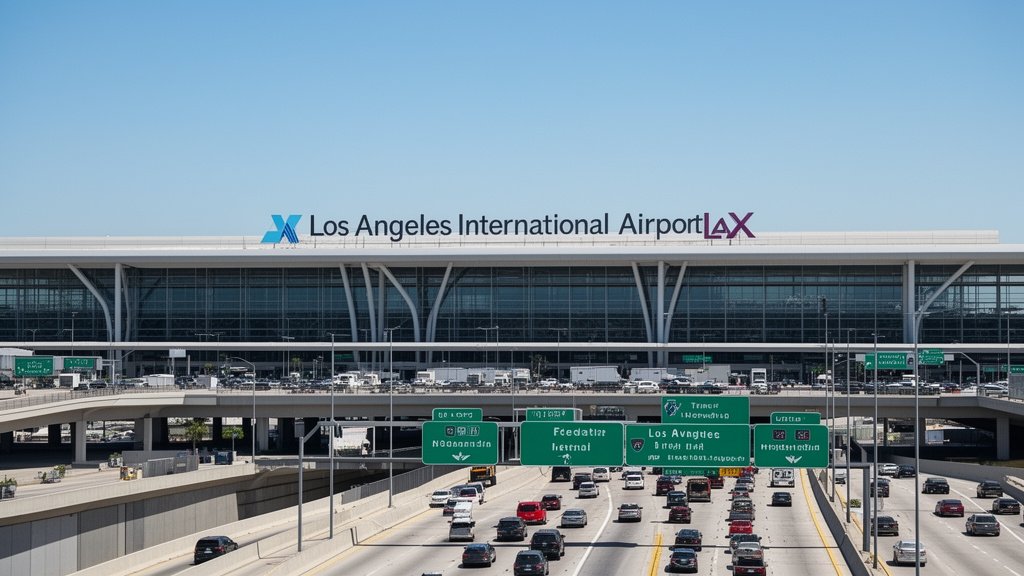
A dangerous and long-lasting heat wave is tightening its grip on Southern California, bringing a rare and severe temperature spike for the month of October. With parts of Los Angeles County expected to reach scorching highs of 105 degrees, the National Weather Service (NWS) has extended its Excessive Heat Warnings, urging residents to prepare for mid-summer conditions during a time of year typically characterized by cooling temperatures. The high-pressure ridge causing this event is not only raising mercury levels but is also heightening the risk of fire-weather conditions across the Southland.
Key Highlights
- Excessive Heat Warning: The NWS has active alerts in place across Los Angeles County through Thursday, with high temperatures expected between 95 and 105 degrees.
- Public Safety Focus: Local officials have opened mandatory cooling centers and are emphasizing heat-related illness prevention for vulnerable populations.
- Infrastructure Strain: The California Independent System Operator (CAISO) is monitoring the power grid closely as air conditioning demand spikes.
- Wildfire Risks: The combination of extreme heat and seasonal Santa Ana winds creates critical fire weather conditions, elevating concerns for emergency responders.
The Anatomy of an October Heat Crisis
The current meteorological event is driven by a strong upper-level ridge of high pressure that has parked itself over the Western United States. In typical autumn patterns, Southern California often sees the arrival of the “Santa Ana” winds—offshore flows that bring warm, dry air from the Great Basin toward the coast. When this seasonal wind pattern syncs with a high-pressure system, the results are amplified, leading to the rapid temperature increases currently observed across the Los Angeles basin, the San Fernando Valley, and inland communities.
Meteorologists characterize this as an anomalous event for mid-autumn. While Southern California is accustomed to warm Octobers, the intensity and duration of this specific wave deviate from standard climate averages. The heat is not merely a daytime phenomenon; the pressure system is also limiting overnight cooling, meaning that homes and infrastructure do not get the reprieve they typically experience after sunset. This persistence is what makes the current heat wave particularly dangerous for the elderly, the unhoused, and those working outdoors.
Public Health and Emergency Preparedness
Health officials are sounding the alarm regarding heat-related illnesses, such as heat exhaustion and heat stroke. The human body requires significant downtime to recover from extreme heat, and when temperatures remain elevated overnight, that recovery window shrinks. Symptoms to watch for include dizziness, nausea, confusion, and rapid pulse. If these symptoms manifest, medical professionals advise moving to a cooler location immediately and seeking hydration.
To combat the impact, Los Angeles County has mobilized a network of cooling centers. Residents are encouraged to check local county websites or call 2-1-1 to locate the nearest facility. These centers provide air-conditioned environments, water, and resources for those who may not have access to reliable climate control at home. Businesses and outdoor event coordinators have been advised to limit strenuous physical activity, especially during the peak sunlight hours between 11:00 AM and 6:00 PM.
Infrastructure and Grid Management
The California Independent System Operator (CAISO) plays a critical role during these events. While the grid is generally more resilient in October than in the peak of summer—partly due to lower overall demand—the rapid spike in air conditioning usage places immediate pressure on transformers and local distribution lines. Utility providers in the region, including Southern California Edison (SCE) and the Los Angeles Department of Water and Power (LADWP), are on high alert for localized outages caused by equipment stress.
Beyond electricity, the water infrastructure remains a focus. While this heat wave is acute, it occurs within the context of a long-term water management strategy in California. Prolonged heat increases evaporation rates from local reservoirs and drives agricultural demand, complicating the state’s broader water conservation efforts.
The Intersection of Heat and Fire
Perhaps the most pressing concern for emergency managers is the intersection of extreme heat with the seasonal wildfire potential. October is historically a high-risk month for wildfires in California. The extreme heat dries out vegetation—including grasses and brush—lowering fuel moisture levels to critical points. When the Santa Ana winds gust through this arid landscape, the potential for rapid fire spread increases exponentially.
Local fire departments have increased staffing levels, and many regions are under Red Flag Warnings, indicating that even a minor ignition source could lead to a significant fire event. Residents are urged to clear brush around homes, ensure emergency “go-bags” are prepared, and remain vigilant regarding local evacuation orders.
Secondary Angles: Future Implications
1. Economic Impacts: The cost of this heat wave is multi-faceted. Beyond energy bills, there is a tangible impact on the labor market, particularly for construction and agricultural workers whose productivity is hampered by mandatory heat breaks and shortened shifts.
2. Historical Anomalies: Climatologists are analyzing whether these late-season heat events are becoming more frequent. Data suggests that as global temperatures rise, the “shoulder seasons” (spring and autumn) are witnessing more extreme volatility, challenging traditional agricultural planting and harvesting schedules.
3. Urban Heat Island Effect: This event highlights the vulnerability of highly paved, urban environments in Los Angeles. The heat island effect—where concrete and asphalt retain heat far longer than natural landscapes—is exacerbating the temperature readings in dense urban pockets, proving that infrastructure design is a primary factor in public health outcomes.
As the region moves through the final days of this warning period, public vigilance remains the best defense. The extreme heat serves as a stark reminder of the environmental challenges facing Southern California as the climate continues to evolve, necessitating long-term adaptations in urban planning, energy infrastructure, and emergency response capabilities.
FAQ: People Also Ask
1. How long will the excessive heat warning last?
The current National Weather Service excessive heat warning is scheduled to remain in effect through Thursday. Conditions are expected to begin easing by Friday as the high-pressure ridge weakens.
2. Where can I find cooling centers in Los Angeles County?
Residents can locate cooling centers by visiting the official Los Angeles County Emergency Management Department website or by dialing 2-1-1. These centers are activated specifically during extreme weather events.
3. What is the difference between a heat watch and an excessive heat warning?
A heat watch means that conditions are favorable for an excessive heat event in the next 24 to 72 hours. An excessive heat warning means that dangerous heat is imminent or occurring, and immediate precautions are necessary to protect health.
4. Does this heat wave increase the risk of power outages?
Yes, extreme heat places significant strain on the electrical grid due to the surge in air conditioning usage. While CAISO works to balance load and supply, residents should prepare for potential localized outages by keeping electronic devices charged and having an emergency kit ready.