The iconic, winding stretch of the Pacific Coast Highway (PCH) in Malibu, long synonymous with cinematic views and coastal beauty, is undergoing a profound transformation in traffic management. As the city prepares to launch its pilot speed safety system, the era of unmonitored speeding on this notoriously dangerous route is coming to a definitive end. Authorized by the passage of California Senate Bill 1297, the initiative represents a significant legislative pivot toward automated enforcement, prioritizing traffic safety over traditional patrol methods.
The Path to Automated Enforcement: Understanding SB 1297
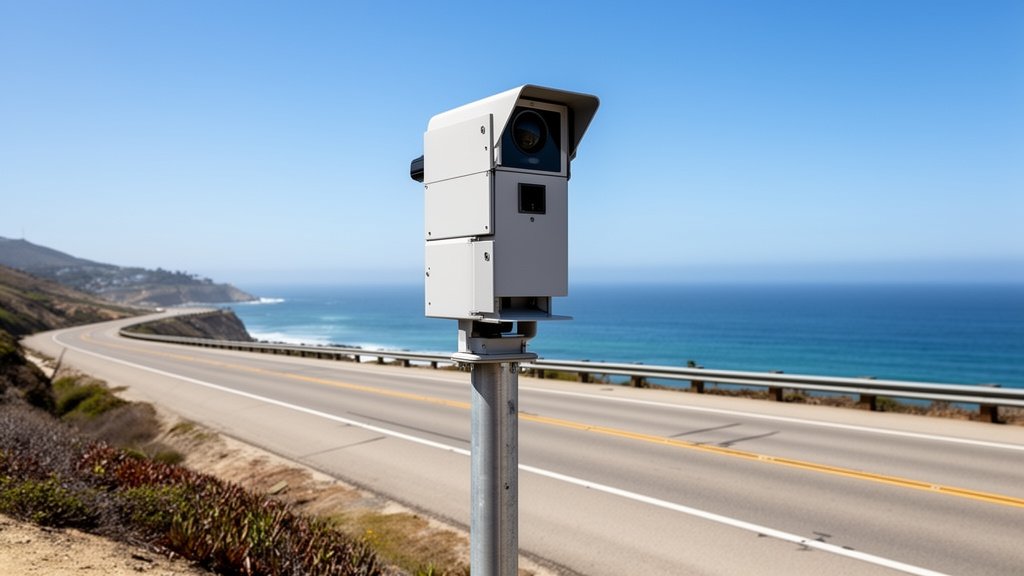
For years, Malibu officials and community advocates have grappled with the high rate of traffic fatalities on the PCH. The legislative breakthrough came with California Senate Bill 1297, a measure designed to empower local municipalities to test and implement Automated Speed Enforcement (ASE) systems. Unlike radar guns operated by law enforcement, these systems utilize cameras and sensors to detect speed violations, capturing photographic evidence that allows for citation by mail.
The adoption of SB 1297 was not merely a bureaucratic checkbox; it was a targeted response to public outcry following numerous fatal incidents along the corridor. By shifting enforcement to a 24/7 automated model, the city aims to create a consistent deterrent, effectively removing the unpredictability that often emboldens dangerous driving behaviors. For the California Department of Transportation (Caltrans) and local law enforcement, this is a scalable solution to a crisis that has historically overwhelmed human-led traffic policing.
The Warning Phase: What Drivers Need to Know
Beginning immediately, the city has launched an intensive public education campaign to ensure that commuters and tourists are aware of the impending shifts in traffic law. This phase is critical to the program’s legitimacy and success. The city will implement a strict 60-day warning period before any monetary citations are issued. During this timeframe, motorists found violating the speed limits within the camera zones will receive a warning notice rather than a fine.
This “soft launch” period serves two purposes: first, it acclimates local traffic to the presence of the new infrastructure, and second, it allows the city to calibrate the technology and identify any potential false positives or technical bottlenecks. This period is the “grace window”—a final opportunity for drivers to adjust their habits before the system switches to punitive mode in November. Once that date arrives, the system will pivot to full enforcement, with citations processed and mailed directly to the registered owners of vehicles identified in violation.
Technology and Privacy: The Secondary Angle
While the primary goal is safety, the introduction of ASE on the PCH raises important questions regarding data privacy and the nature of public surveillance. Opponents often point to the risk of “function creep,” where infrastructure initially built for safety is repurposed for broader surveillance. In response, Malibu’s deployment of these systems includes strict data retention policies, ensuring that images are not stored indefinitely and are used exclusively for traffic enforcement purposes.
From a technical standpoint, the cameras are sophisticated. They do not just capture a snapshot; they analyze vehicle telemetry against posted speed limits. By utilizing high-resolution, low-light imaging, these systems ensure that violations are captured regardless of the time of day or weather conditions—a vital necessity given the coastal fog that frequently obscures the PCH. This integration of edge computing and optical recognition marks a shift in how modern cities will likely manage traffic flow in the next decade.
Historical Context: Why the PCH Needed Change
The Pacific Coast Highway through Malibu has long been classified as one of the most perilous roads in Southern California. Historically, the combination of high speed, distracted driving, and a lack of clear separation between pedestrian spaces and vehicle lanes has created a lethal environment. Previous measures, including increased police patrols and additional signage, have had limited success in curbing chronic speeding. The implementation of ASE is viewed by many urban planners as a “hard intervention”—a necessary evolution when behavioral changes alone cannot mitigate the risk.
Looking toward the future, the success of the Malibu pilot will likely serve as a blueprint for other coastal and high-traffic municipalities across California. If the data demonstrates a statistically significant reduction in traffic-related injuries and fatalities during the first year of operation, it is highly probable that state lawmakers will advocate for the expansion of ASE programs into other high-risk corridors. For the automotive industry, this suggests a future where vehicle speed limiters and connected infrastructure may eventually communicate directly with these enforcement nodes, creating a closed-loop system of traffic compliance that functions autonomously.
Economic and Community Impact
The financial implications of the program extend beyond the issuance of tickets. The city anticipates that the operational costs of the ASE system will be offset by the revenue generated from fines, creating a self-sustaining safety infrastructure. However, the true economic impact will be measured in the reduction of emergency response requirements and the preservation of commerce. When the PCH is closed for accident investigation, it paralyzes the city’s economy, disrupting the flow of goods, tourists, and residents. By reducing these collisions, the city is protecting not just lives, but the very economic engine of Malibu.
FAQ: People Also Ask
Q: When exactly do the fines start?
A: Following the completion of the 60-day warning period, official citations will begin to be issued in November. Drivers should treat all camera flashes during the warning period as a notification of a violation.
Q: Are these cameras everywhere in Malibu?
A: The pilot program is currently focusing on specific, high-risk segments of the Pacific Coast Highway as authorized by the pilot provisions of Senate Bill 1297, rather than a blanket coverage of every street.
Q: How will I know if I have been caught?
A: If a violation is confirmed after the warning period expires, a notice of violation, including the citation and instructions for payment or appeal, will be mailed to the address associated with the vehicle’s registration.
Q: Does this replace police officers on the PCH?
A: No. The Automated Speed Enforcement system is a supplement to, not a replacement for, law enforcement. Officers will continue to patrol the area, though the cameras will allow them to focus their attention on other traffic violations, such as reckless driving or DUI, while the cameras handle speed enforcement.