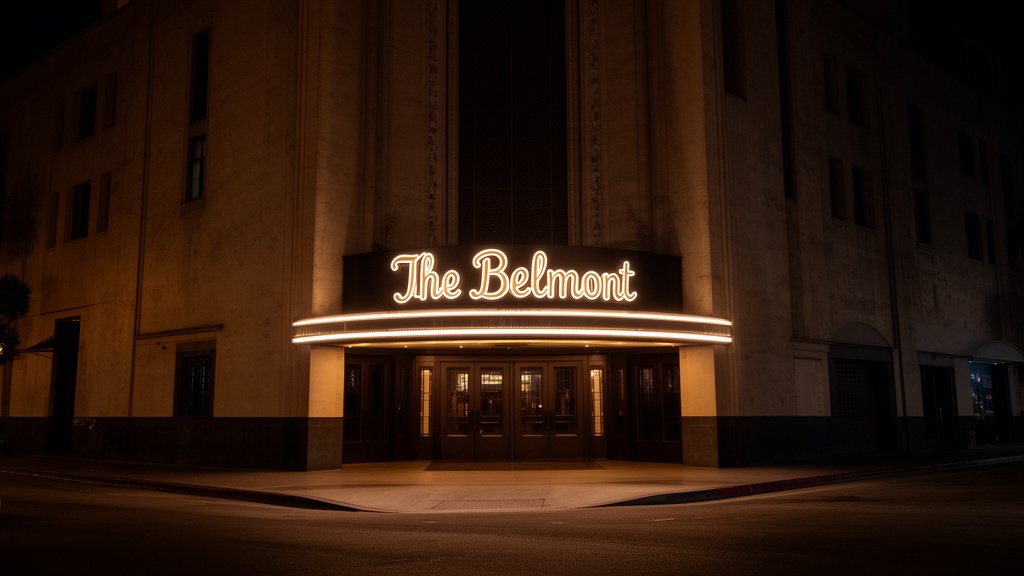
For over two decades, The Belmont has served as the heartbeat of Los Angeles nightlife, a sanctuary for both the reveler and the industry insider. Today, that beat comes to an unexpected and somber halt as management officially announced that the storied institution will cease operations at the end of August 2026. This closure is not merely the shuttering of a business; it represents the evaporation of a cultural landmark that has survived shifting trends, economic downturns, and the relentless evolution of the West Hollywood scene.
The Legacy of The Belmont: Two Decades of LA Nightlife
Since its inception in 2000, The Belmont has functioned as more than just a venue; it was an anchor. In an industry defined by volatility and fleeting trends, maintaining a consistent presence for 26 years is a rarity bordering on the impossible. The venue became a rite of passage for generations of Angelenos, bridging the gap between the turn-of-the-millennium club culture and the high-end, experiential hospitality trends that dominate the city today.
The history of The Belmont is intertwined with the history of West Hollywood and the broader Los Angeles hospitality ecosystem. From its early days as a gritty but aspirational late-night spot to its eventual maturation into a refined staple for the city’s elite, the club’s trajectory mirrored the gentrification and luxury-focused pivot of the surrounding neighborhoods. Its influence extended beyond the dance floor, often serving as the primary launchpad for local music talent, event promoters, and industry leaders who now dictate the current landscape of Southern California nightlife.
Market Dynamics: The Shifting Landscape of LA Hospitality
The decision to close, while sudden to the public, arrives against a backdrop of intensifying pressure on the Los Angeles nightlife sector. The city’s commercial real estate market has undergone a radical transformation over the last decade, with rising overheads, increased regulatory scrutiny, and a fierce battle for prime real estate space. For a venue of The Belmont’s size and historical significance, the economics of sustaining a 26-year-old infrastructure in an increasingly high-cost environment have become insurmountable.
Analysts note that the closure follows a broader trend of ‘institutional obsolescence’ in major metropolitan hubs. As consumer habits shift toward boutique, highly curated, and often smaller-footprint experiences, the traditional ‘mega-venue’ or high-volume nightclub faces distinct operational challenges. Beyond the financial ledger, the logistical burden of maintaining a legacy building that requires significant retrofitting to meet modern safety, sustainability, and technological standards often outweighs the potential for profit. The Belmont, despite its enduring popularity, was not immune to these systemic shifts that have claimed several other historic LA institutions over the past several years.
The Cultural Vacuum and Future Prospects
What happens to the space that The Belmont currently occupies? This question is already creating ripples of concern among local business advocates and community leaders. The property, situated in a high-traffic zone, is expected to become the subject of intense interest from developers looking to capitalize on the prime location. Whether the site is repurposed into a luxury multi-use facility, a high-end restaurant, or a residential complex remains to be seen, but the community sentiment is clear: the physical loss of the venue is seen as a blow to the area’s distinct nightlife character.
The loss of a 26-year-old staple creates a vacuum that is rarely filled by a single successor. Nightlife culture in Los Angeles is built on the accretion of these institutional memories. When a venue like The Belmont closes, it takes with it the intangible ‘social capital’—the specific crowd, the known promoters, the recurring events, and the shared history—that makes a neighborhood vibrant. For the regulars who have spent nearly three decades frequenting the establishment, the August 2026 closure date serves as a countdown to the end of a specific chapter in their personal and social histories.
Ultimately, The Belmont’s departure underscores the fragility of nightlife as a business model. It serves as a reminder that even the most successful establishments are tethered to the economic cycles of the city. While the doors will lock for the final time in August, the legacy of the venue is likely to persist in the stories of those who defined the Los Angeles nightlife era of the early 21st century.
FAQ: People Also Ask
Why is The Belmont closing after 26 years?
While specific financial details have not been disclosed, the closure is largely attributed to the compounding pressures of rising operational costs, the complexities of maintaining a legacy venue in the current LA real estate market, and a strategic decision by ownership to transition away from the space.
When is the exact final day of operation for The Belmont?
The Belmont has announced that it will cease all operations at the end of August 2026. Management has indicated they will operate as usual until that date.
What does this mean for the future of the venue’s location?
The specific future of the physical property remains unconfirmed. However, given the location’s prominence in the Los Angeles area, it is widely expected that the site will be repurposed for future commercial or mixed-use development.
Will there be a series of closing events?
While an official schedule of ‘farewell’ events has not been released, historically, venues of this stature host a series of commemorative nights in the weeks leading up to their final closing date to honor their legacy and regulars.