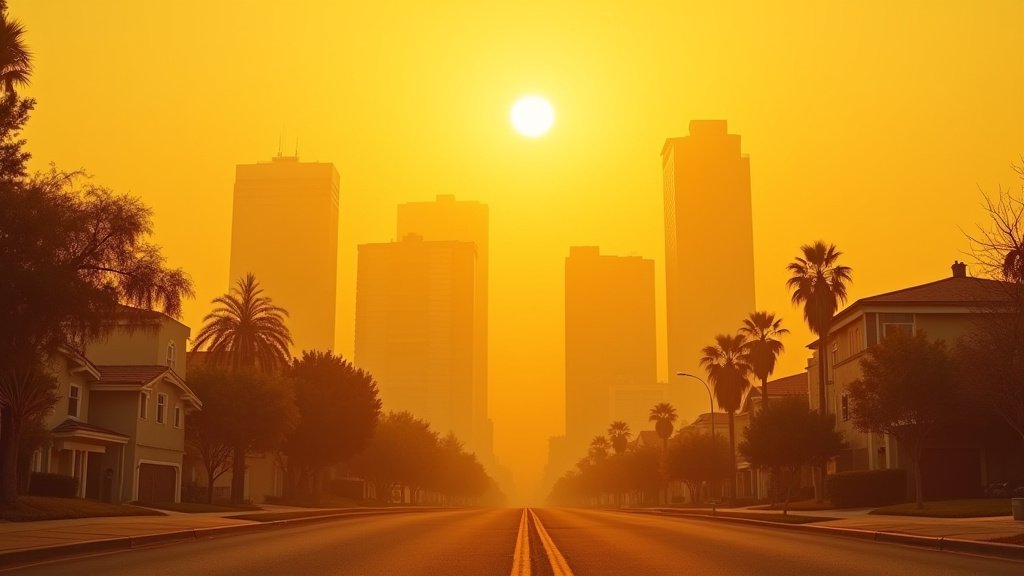
Southern California, long known for its mild climate, is experiencing a dramatic shift, forcing even lifelong residents to rely on air conditioning for the first time in decades. This change underscores a broader trend of escalating temperatures across the region, driven by complex environmental factors.
Key Highlights:
- Lifelong Southern California residents are installing and using air conditioning units due to recent heat.
- This marks a significant departure from the region’s historically temperate weather patterns.
- The trend points towards a demonstrable impact of climate change on local microclimates.
- Experts attribute the increased reliance on AC to both changing weather patterns and urban development.
The Shifting Climate of Southern California
For half a century, many residents of Southern California have prided themselves on their ability to endure warm weather without mechanical cooling. Porches, open windows, and natural ventilation were the norm, a testament to a climate that was, for generations, remarkably stable and pleasant. However, recent unprecedented heatwaves have shattered this long-held perception. The installation and frequent use of air conditioning units, once a rarity in older, established neighborhoods, has become a necessity, signaling a profound environmental transformation.
The Human Experience of a Warming Region
Anecdotal evidence from long-term inhabitants paints a vivid picture of this climatic pivot. “I’ve lived here for 50 years, and until last summer, I never even considered needing an air conditioner,” shared Maria Rodriguez, a resident of Pasadena. “Now, it’s not just about comfort; it’s about health, especially for my grandchildren.” This sentiment is echoed across the sprawling urban landscape of Southern California, from the coastal plains to the inland valleys. The very definition of a comfortable summer day is being redrawn, forcing adaptations in lifestyle, home infrastructure, and even local energy consumption patterns.
Climate Change and Urban Heat Islands
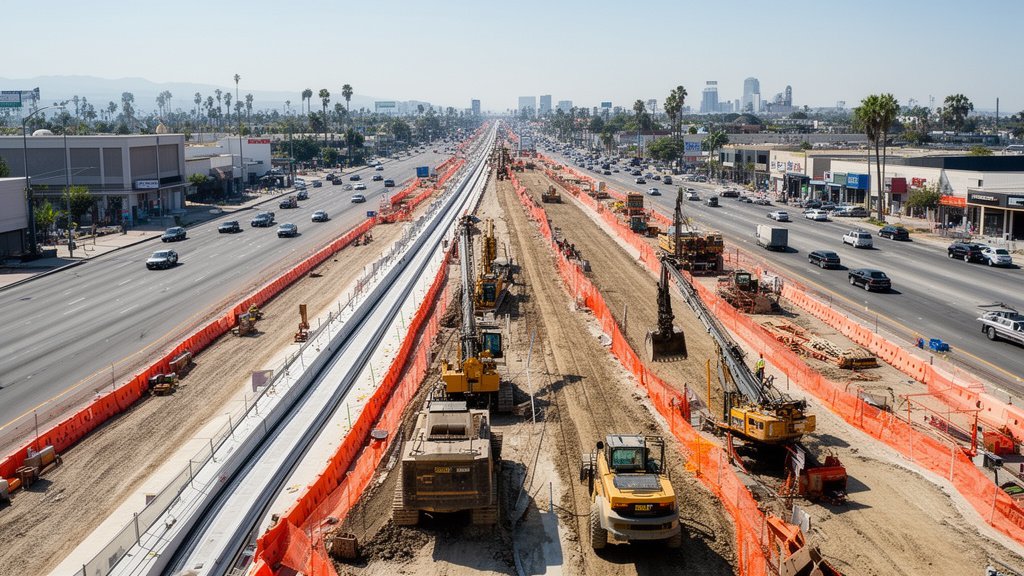
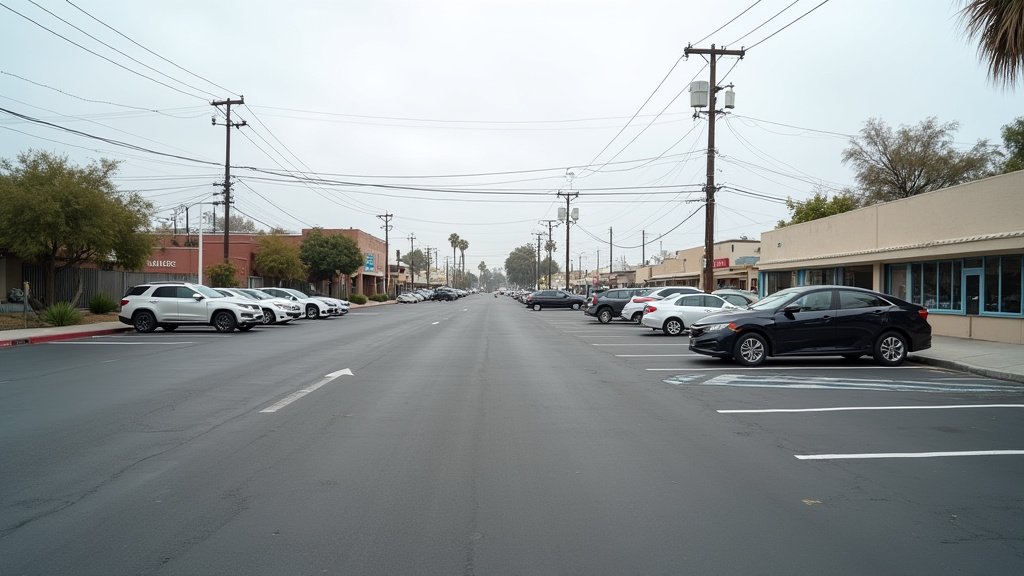
Scientists and climate experts point to a confluence of factors contributing to this new reality. Global climate change is undeniably playing a significant role, leading to more frequent and intense heat events. Simultaneously, the persistent growth of urban areas creates what are known as “urban heat islands.” Concrete, asphalt, and a lack of green spaces absorb and retain more heat than natural landscapes, exacerbating the temperatures experienced by city dwellers. The expansion of development into previously undeveloped areas, coupled with the dense concentration of buildings and vehicles in established cities, creates a feedback loop that intensifies the heat.
Economic and Infrastructure Strain
The increased demand for air conditioning places a considerable strain on the region’s power grid. Utility companies face the challenge of meeting peak demand during prolonged heat events, which can lead to concerns about energy reliability and increased costs for consumers. For many residents, the decision to install AC is not just a matter of comfort but also a significant financial investment, adding another layer of economic pressure.
Adaptation and Resilience
As Southern California grapples with these changes, communities and individuals are exploring various strategies for adaptation. These range from advocating for more green infrastructure and energy-efficient building codes to promoting water conservation and developing more resilient power systems. The long-term challenge involves balancing continued growth with the imperative to mitigate climate impacts and ensure the habitability of the region for future generations. The need for air conditioning, once a symbol of a different climate, now serves as a stark reminder of the evolving environmental landscape.
FAQ: People Also Ask
Why has Southern California become hotter recently?
Southern California’s temperatures have been rising due to a combination of global climate change, which increases the frequency and intensity of heatwaves, and the urban heat island effect. Urban areas absorb and retain more heat due to concrete and asphalt, and a lack of vegetation, making cities significantly warmer than surrounding rural areas.
Is air conditioning common in Southern California?
Historically, air conditioning was not common in many parts of Southern California due to its historically mild climate. However, with rising temperatures and more frequent heatwaves in recent years, AC installation and usage have become increasingly common, especially in newer constructions and areas experiencing the urban heat island effect.
What are the effects of increased AC usage?
Increased AC usage leads to higher electricity consumption, placing a strain on the power grid, particularly during peak heat periods. This can contribute to higher energy bills for residents, increased greenhouse gas emissions from power generation, and a greater demand for water for power plant cooling.
How are Southern Californians adapting to warmer weather?
Southerners are adapting by installing more efficient AC units, improving home insulation, increasing the use of shade structures like awnings and trees, and adjusting daily routines to avoid the hottest parts of the day. There is also a growing emphasis on urban planning that incorporates more green spaces and sustainable building practices.
Will Southern California continue to get hotter?
Climate projections indicate that Southern California is likely to continue experiencing warmer temperatures and more extreme heat events in the future. The extent of this warming will depend on global efforts to reduce greenhouse gas emissions and local adaptation strategies.