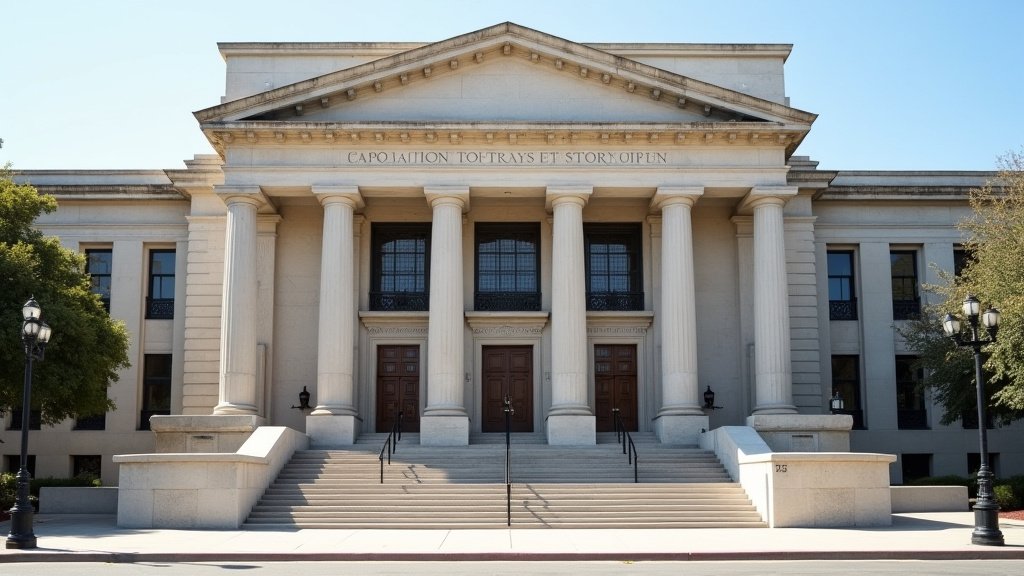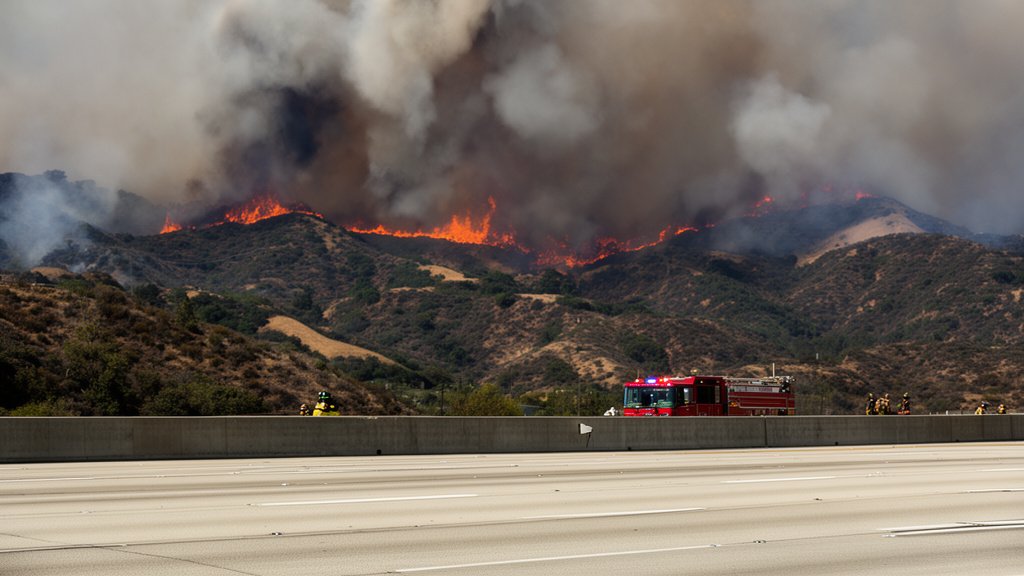

Los Angeles County officials held a press conference today to address the imminent extreme heatwave gripping the region, urging residents to take critical safety measures.
Key Highlights:
- A dangerous heatwave is expected to impact Los Angeles County starting this week.
- Officials are urging residents to stay hydrated, seek cooling centers, and check on vulnerable populations.
- Emergency services are preparing for an increase in heat-related incidents.
- Public health advisories are in effect, with specific warnings for outdoor workers and those without access to adequate cooling.
LA County Braces for Scorching Temperatures
As Los Angeles County steams under an oppressive heat dome, county supervisors and public health officials convened a critical press conference to disseminate vital information and safety protocols. The National Weather Service has issued an Excessive Heat Warning for the entire metropolitan area, anticipating temperatures to soar into the triple digits from Wednesday through Sunday. This prolonged period of extreme heat poses significant health risks, particularly to the elderly, young children, individuals with chronic illnesses, and those experiencing homelessness. The press conference emphasized the county’s multi-agency response, detailing preparedness measures across departments ranging from emergency services to public health and parks and recreation.
Public Health Imperatives
Dr. Barbara Ferrer, Director of the Los Angeles County Department of Public Health, underscored the severity of the situation, stating, “This is not just a few hot days; this is a prolonged period of dangerous heat that requires our community’s full attention and cooperation.” She outlined a series of public health imperatives, including constant hydration, avoiding strenuous outdoor activities during peak heat hours (10 AM to 8 PM), and the importance of recognizing the symptoms of heat-related illnesses such as heat exhaustion and heatstroke. The department has activated its Heat Emergency Action Plan, which includes opening numerous cooling centers across the county. These centers, located in libraries, community centers, and other public facilities, will offer a safe respite from the heat, with extended hours throughout the heatwave. Information on cooling center locations and hours is available on the county’s public health website and through local news outlets.
Emergency Services Readiness
Los Angeles County Fire Department Chief, Anthony Marrone, detailed the readiness of emergency services. “Our crews are on heightened alert,” Chief Marrone stated. “We are anticipating a surge in calls related to heat-related medical emergencies, including heatstroke and dehydration. We are pre-deploying additional resources to areas most likely to be affected and coordinating closely with our hospital partners to ensure they are prepared for an influx of patients.” Fire stations will also serve as additional informal cooling spots, and paramedics are equipped with specialized protocols for treating heat-related conditions. The department urged residents to call 911 immediately if they suspect someone is suffering from a heat-related emergency.
Vulnerable Populations and Community Support
A significant portion of the press conference was dedicated to the specific risks faced by vulnerable populations. Supervisors highlighted the need for neighbors and community members to check on elderly relatives, friends, and those who may be isolated or lack access to air conditioning. Public health outreach teams will be actively working in underserved communities and encampments to provide water, information, and assistance in accessing cooling centers. The county is also working with non-profit organizations to distribute water and provide support services. Transportation to cooling centers is being coordinated for those who need it, particularly for seniors and individuals with disabilities.
Long-Term Heat Resilience
Beyond the immediate crisis, officials touched upon the broader issue of climate change and the increasing frequency and intensity of heatwaves in Southern California. The need for long-term strategies to enhance community resilience to extreme heat was emphasized, including promoting cool roofs, increasing urban green spaces, and developing more robust public cooling infrastructure. The county is exploring grants and funding opportunities to implement these long-term solutions, aiming to make the region more adaptable to a changing climate.
FAQ: People Also Ask
What are the main risks associated with extreme heat in Los Angeles County?
The main risks include heatstroke, heat exhaustion, dehydration, exacerbation of chronic medical conditions, and increased strain on emergency medical services. Extreme heat can be life-threatening, especially for vulnerable individuals.
Where can I find a cooling center in Los Angeles County?
Cooling center locations and hours are available on the Los Angeles County Department of Public Health website, through their 211 information line, and will be broadcast by local media. Many libraries, community centers, and parks facilities are designated as cooling centers.
How can I protect myself and my family from the heat?
Stay hydrated by drinking plenty of water, avoid strenuous outdoor activities during the hottest parts of the day, wear lightweight and light-colored clothing, use sunscreen, and spend time in air-conditioned spaces. Never leave children or pets unattended in vehicles.
What should I do if I see someone suffering from heatstroke?
If you suspect someone is suffering from heatstroke, call 911 immediately. While waiting for help, move the person to a cooler place, try to lower their body temperature with cool cloths or a cool bath, and do not give them fluids to drink unless they are conscious and able to swallow.
How is Los Angeles County preparing for the heatwave?
The county is opening cooling centers, increasing the readiness of emergency services, deploying public health outreach teams, and issuing public health advisories to inform residents about necessary precautions and available resources.