Director Antoine Fuqua, currently at the helm of the highly anticipated Michael Jackson biopic ‘Michael,’ is facing serious legal jeopardy following a lawsuit filed by a former assistant manager at the popular Los Angeles venue, Good Times at Davey Wayne’s. The lawsuit, which has sent shockwaves through the Hollywood industry, stems from an alleged physical altercation that occurred in February, involving claims of assault with a firearm—specifically, an allegation of pistol-whipping. As one of the most prominent directors in modern cinema, the legal challenge poses significant questions regarding the intersection of high-profile entertainment figures and personal conduct disputes.
The Incident at Good Times at Davey Wayne’s
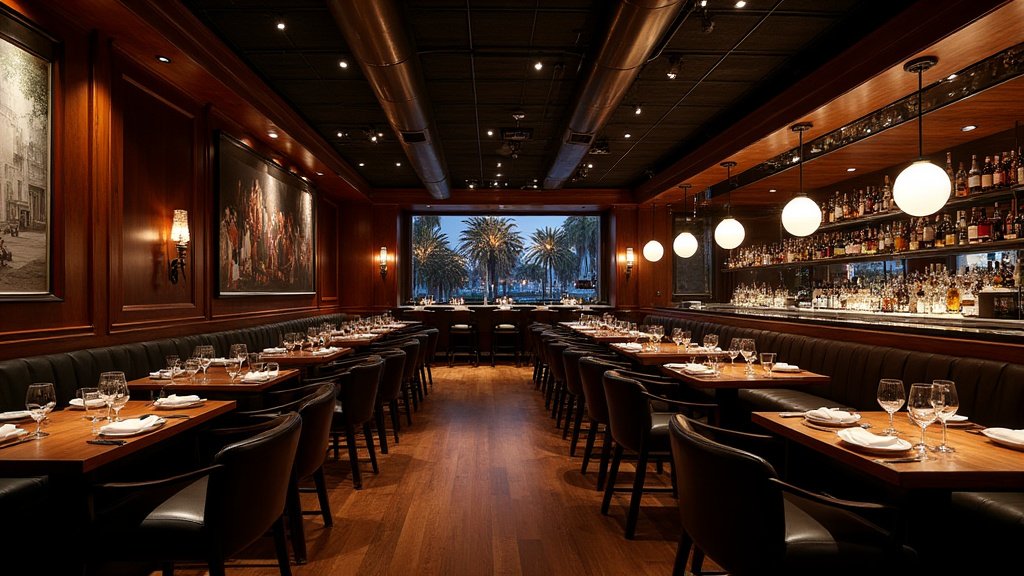
According to the civil complaint filed in Los Angeles, the incident took place at Good Times at Davey Wayne’s, a well-known 1970s-themed speakeasy located in the Hollywood district. The plaintiff, who served as an assistant manager at the establishment, alleges that a confrontation escalated rapidly, resulting in physical violence. The lawsuit explicitly states that Fuqua allegedly brandished a handgun during the disagreement and physically struck the manager with the weapon. The nature of the allegation—a violent assault involving a firearm—is particularly grave, moving beyond standard civil disputes typical of the entertainment industry and into the realm of potential criminal conduct.
Legal representatives for the plaintiff argue that the incident left the manager with significant injuries and lasting emotional trauma. The filing details the timeline of the evening, claiming that the director’s behavior was unprovoked and excessive. While Fuqua’s legal team has yet to provide a detailed public rebuttal beyond standard denial protocols usually seen in these high-stakes disputes, the filing itself is currently being processed through the Los Angeles court system, setting the stage for a protracted legal battle.
The Civil Complaint Details and Legal Implications
Beyond the headline-grabbing nature of the allegation, the legal complaint focuses on battery, assault, and emotional distress. Civil litigation of this nature is designed to seek monetary damages for medical expenses, lost wages, and punitive measures, but the implications extend far beyond the courtroom. In the landscape of modern Hollywood, reputation management and contract clauses are paramount. High-budget productions, such as the upcoming Jackson biopic ‘Michael,’ often contain “morality clauses” or conduct-related contingencies that studios, such as Lionsgate, monitor closely.
Legal experts suggest that the timing of this lawsuit is critical. With ‘Michael’ in post-production and preparation for a massive theatrical rollout, any legal controversy involving the director creates a cloud of uncertainty. The studio and financiers must weigh the severity of the allegations against the momentum of the project. If the lawsuit proceeds to trial or discovery, Fuqua may be required to sit for depositions, which could potentially interfere with the rigorous post-production and promotional schedules required for a blockbuster of this scale.
Navigating the ‘Michael’ Biopic and Career Fallout
Antoine Fuqua has spent decades building a career defined by gritty, high-octane films like ‘Training Day,’ ‘The Equalizer’ franchise, and ‘Southpaw.’ His ability to handle large-scale action sequences and intimate character dramas has made him a go-to choice for studio tentpoles. However, the ‘Michael’ biopic represents a different beast—a massive, culturally sensitive project that requires a director with impeccable standing.
Industry analysts are watching to see if this legal situation affects Fuqua’s relationship with the Jackson estate or the studio. While it is standard practice to wait for legal proceedings to unfold before taking definitive action, the entertainment industry is notoriously risk-averse. The primary concern is not just the immediate legal exposure but the PR narrative surrounding the release of the film. If the allegations of pistol-whipping are substantiated in court or even if they garner significant public attention during the film’s promotional window, the marketing strategy may need to pivot significantly to insulate the project from the controversy.
Furthermore, the lawsuit highlights the volatility of public figures in social spaces. Nightlife venues in Los Angeles frequently host A-list talent, and management at these locations are trained to handle VIPs with discretion. The breakdown of this relationship—resulting in an alleged weapon-based assault—suggests a failure in both de-escalation and the standard protocols expected when celebrities frequent public hospitality venues. The outcome of this case will likely set a precedent for how such hospitality incidents are settled, potentially leading to increased security measures for high-profile clients in similar establishments.
As the litigation moves forward, we expect to see filings regarding motions to dismiss or attempts at private settlement, which are common in cases involving high-net-worth individuals. For now, the allegations remain one-sided, and the burden of proof rests with the plaintiff to provide evidence of the encounter. However, the mere existence of the filing has already impacted the narrative surrounding the ‘Michael’ production, forcing Hollywood to once again grapple with the conduct of its most powerful creative architects.