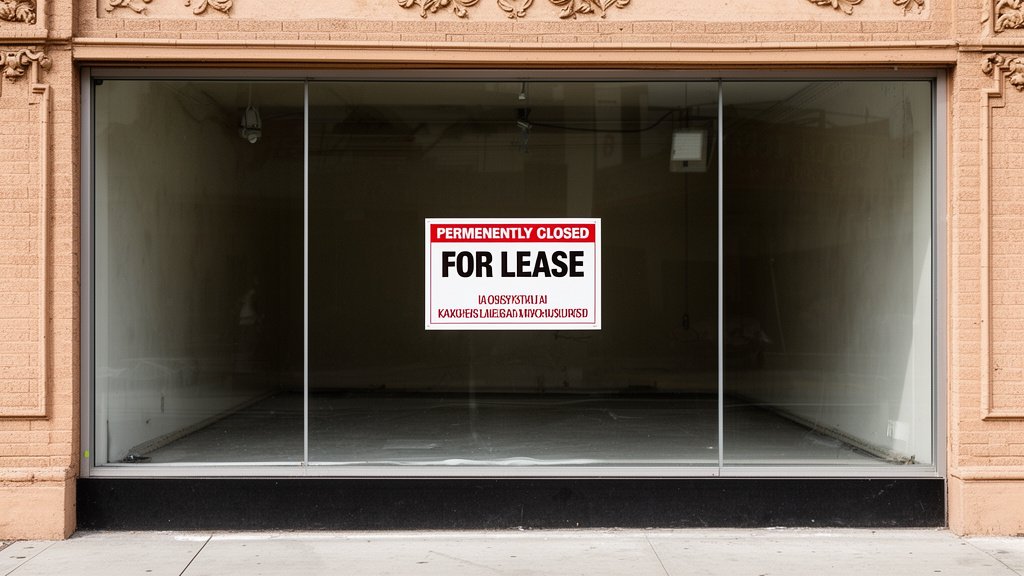
The Los Angeles hospitality landscape is undergoing a painful contraction, with the latest data confirming that 301 restaurants, bars, and cafes have permanently closed their doors since January 2026. This figure marks a significant 25% increase in closure rates compared to the 2025 calendar year, signaling what many industry veterans are describing as an ‘apocalypse’ for small-to-mid-sized dining and nightlife establishments. As vacant storefronts become a common sight from Silver Lake to Santa Monica, the debate over the drivers of this decline has intensified, centering on a volatile mix of operational overhead and local regulatory friction.
Key Highlights
- Unprecedented Attrition: 301 total closures recorded since January 2026, a 25% year-over-year increase from 2025.
- Operational Headwinds: Business owners cite unsustainable spikes in labor costs, commercial insurance premiums, and inflation as the primary catalysts for closure.
- Regulatory Friction: Local operators increasingly point to LA City management, citing bureaucratic delays in permitting and inconsistent enforcement of municipal codes as major operational blockers.
- Economic Impact: The mass closures are contributing to a loss of neighborhood tax revenue, decreased employment, and a fundamental shift in the city’s cultural footprint.
The Anatomy of an Industry Collapse
The narrative surrounding the current closure trend in Los Angeles is not defined by a single catastrophic event, but rather the cumulative weight of operational pressures. When 301 businesses exit a market in such a condensed timeframe, the cause is rarely incidental; it is systemic. For the average restaurateur in Los Angeles, the fiscal landscape of 2026 has become increasingly hostile, forcing many into insolvency regardless of their brand loyalty or patronage levels.
The ‘Triple Threat’: Insurance, Labor, and Rent
For most of the affected establishments, the primary drivers of closure are non-negotiable costs. The insurance landscape for California restaurants has become particularly perilous. Due to wildfire risk classifications and rising liability litigation, commercial insurance premiums for restaurants and bars have reportedly surged, in some cases doubling within the last 18 months. When coupled with the state’s mandatory labor adjustments and the continued inflation of food and beverage supply costs, operators find themselves in a ‘margin squeeze’ where even record sales volumes fail to translate into net profit.
Furthermore, the commercial real estate market in Los Angeles has not provided the relief necessary to counterbalance these pressures. Despite high vacancy rates in some commercial corridors, landlords are often locked into legacy valuations or are unable to lower rents significantly without triggering covenant defaults on their own financing, leaving small business tenants with rent burdens that no longer align with current revenue realities.
The Municipal Management Debate
Beyond the macroeconomic factors, a growing chorus of local operators is pointing fingers directly at Los Angeles City Hall. The frustration is multifaceted, ranging from the slow processing of essential business permits to the stringent and often unpredictable enforcement of health and safety codes.
‘It is not just about the taxes or the wages,’ one anonymous operator stated, echoing sentiment found in recent industry focus groups. ‘It is about the ability to simply get things done. When a water heater breaks or a renovation is needed, the permit process is a labyrinth that can take months. Every week of delay is a week of lost revenue in an industry that survives on razor-thin margins.’ This perceived mismanagement has led to a breakdown in trust between the hospitality sector and municipal leadership, with many operators feeling that the city is failing to recognize the vital role these businesses play in the local economy and social fabric.
Economic and Social Ripples
The closure of 301 establishments is not merely a statistical anomaly; it is a profound economic disruption. These restaurants and bars are the backbone of local employment, providing entry-level jobs, management opportunities, and cultural hubs. When a popular neighborhood spot closes, it often leaves a ‘dead zone’ that reduces foot traffic for neighboring retail shops, creating a domino effect of decreased local spending.
Furthermore, the loss of these entities has a chilling effect on entrepreneurship. Aspiring chefs and bar owners are looking at the 2026 climate and opting to launch in more ‘business-friendly’ regions, potentially stifling the innovation that has historically made Los Angeles a premier global culinary destination. If the trend continues, experts warn that the city risks losing its diverse, independent dining culture, replaced by homogenized chains that have the corporate scale to weather the high-cost environment.
FAQ: People Also Ask
Q: How do the 2026 closure numbers compare to historical averages?
A: The 301 closures represent a 25% increase over 2025. This rate of attrition is significantly higher than pre-2020 averages, suggesting that the current business climate is uniquely difficult for the hospitality industry.
Q: What are the specific ‘City Management’ issues cited by owners?
A: Business owners commonly cite slow permit processing times, complex health department compliance hurdles, and what they characterize as an inconsistent approach to business licensing and zoning enforcement as primary pain points.
Q: Are there any sectors of the restaurant industry being hit harder than others?
A: While closures are widespread, data suggests that small, independent, family-owned eateries and late-night bars are the most vulnerable, as they lack the cash reserves and economies of scale possessed by larger restaurant groups.
Q: Is there any outlook for improvement in the near term?
A: Industry analysts remain cautious. Without significant intervention regarding commercial insurance reform, tax relief, or streamlined municipal permitting, experts suggest that the current rate of closures may continue through the remainder of the fiscal year.