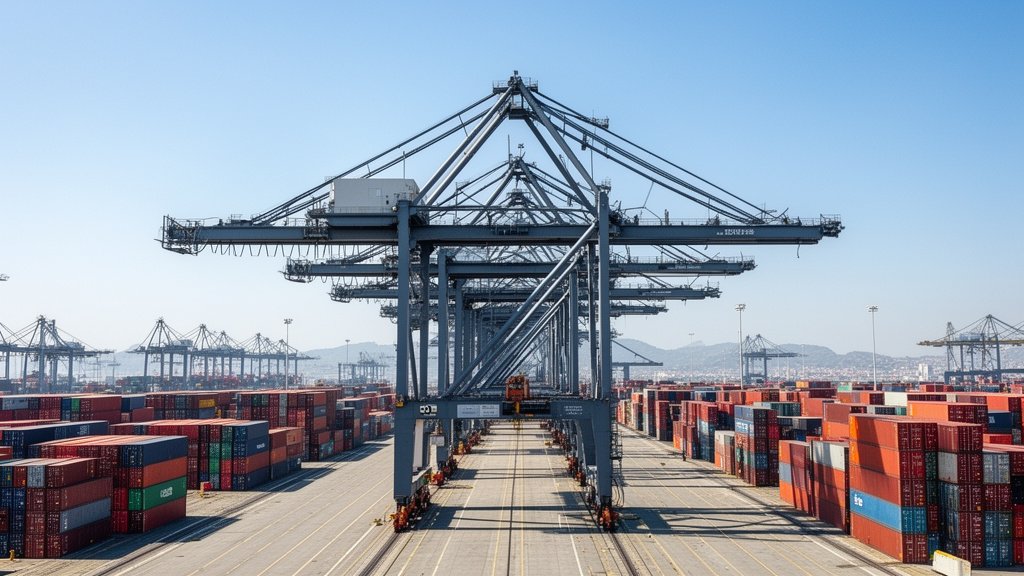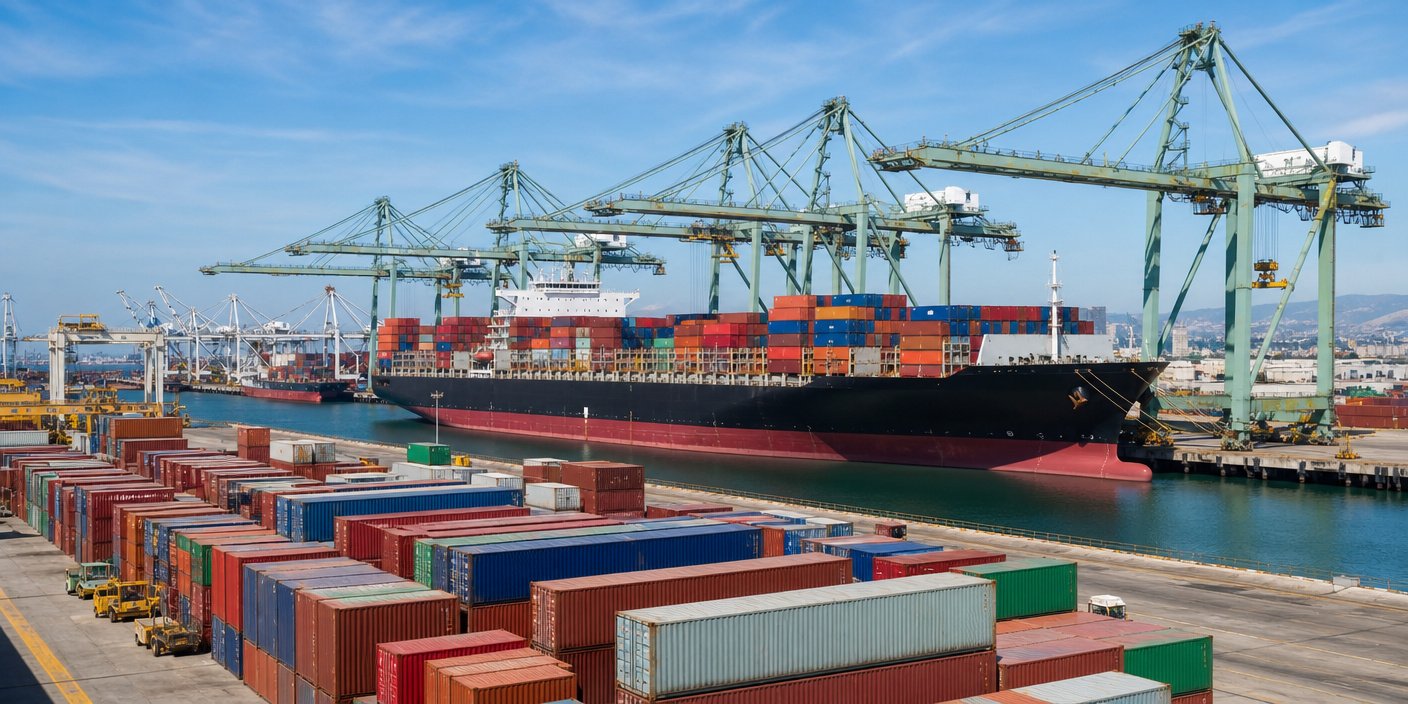
The Ports of Los Angeles and Long Beach, the primary conduits for goods entering the United States, have successfully avoided a crippling work stoppage. Following months of tense negotiations, union representatives and terminal operators have announced a tentative agreement, a move that provides immediate relief to the American retail, manufacturing, and agricultural sectors. This breakthrough prevents what analysts projected could have been a catastrophic disruption, potentially costing the U.S. economy billions of dollars per day had operations at these vital logistics hubs been suspended.
Key Highlights
- Tentative Agreement Reached: The International Longshore and Warehouse Union (ILWU) and the Pacific Maritime Association (PMA) have successfully negotiated a tentative agreement to replace an expired contract.
- Scope of Coverage: The deal covers 22,000 workers across 29 West Coast ports, ensuring operations continue at the most critical entry points for Asian trade.
- Economic Safeguard: The resolution prevents a potential strike that threatened to impact 40% of all U.S. containerized imports, a sector valued in the billions daily.
- Federal Mediation: High-level involvement from the Biden administration, specifically Acting Labor Secretary Julie Su, played a pivotal role in facilitating the final push for an agreement.
The Anatomy of a High-Stakes Negotiation
The standoff between the ILWU and the PMA represented one of the most significant labor disputes in modern U.S. supply chain history. At the heart of the negotiation was the balance between post-pandemic labor compensation and the operational mandates of global terminal operators. For months, the atmosphere at the docks of Los Angeles and Long Beach—which process a staggering percentage of the nation’s inbound container traffic—was marked by intermittent disruptions and rising anxiety among stakeholders ranging from small business owners to global retail giants.
The tension was not merely about wages; it was a complex collision of interests involving pandemic-era bonuses, the rising cost of living in Southern California, and the industry’s increasing pivot toward terminal automation. As the contract expiration date loomed, the pressure on the Biden administration to intervene intensified. The resulting agreement represents a delicate compromise that acknowledges the immense value of the workforce that kept the global economy moving during the darkest months of the COVID-19 pandemic, while providing a degree of stability for employers facing uncertain inflationary environments.
Economic Impact: Beyond the Docks
When the Ports of Los Angeles and Long Beach experience even a minor slowdown, the ripple effects are felt instantly across the United States. From the shelves of Midwestern supermarkets to the inventory systems of tech giants, the fluidity of these ports is non-negotiable. Estimates from logistics experts suggested that a full-scale strike would have cost the U.S. economy roughly $1 billion per day.
Beyond the raw dollar figures, a strike would have exacerbated existing inflationary pressures. With global supply chains still recalibrating after years of volatility, a labor stoppage would have created backlogs at sea, leading to scarcity of seasonal goods and increased shipping costs that would inevitably be passed on to the consumer. This agreement acts as a crucial stabilizer, signaling to international markets and investors that the U.S. West Coast remains a reliable entry point for global commerce.
The Role of Automation and Technology
One of the most contentious issues throughout the negotiation process was the integration of automated technology within port terminals. The ILWU has historically expressed concerns that automation—such as automated straddle carriers and terminal operating systems—threatens the job security and long-term viability of their members. Conversely, port operators argue that modernization is essential to maintain competitiveness against rival ports in the U.S. and abroad.
The tentative agreement reportedly includes language that addresses these modernization concerns while securing worker protections. Finding this middle ground was essential. The challenge for the maritime industry moving forward is to enhance throughput efficiency—necessary to handle the increasing volume of goods—without eroding the workforce that provides the logistical intelligence required to manage complex port operations. This agreement establishes a framework for how labor and management can coexist in an era of rapid technological change.
The Future of West Coast Logistics
While this agreement successfully averts a strike today, the broader conversation regarding U.S. trade infrastructure is far from over. The reliance on the Los Angeles and Long Beach complex is so high that any future contract expiration will inevitably be met with the same level of scrutiny and economic anxiety. Moving forward, stakeholders are likely to push for a more proactive negotiation framework that engages federal oversight earlier in the process to prevent the threat of disruption from reaching the terminal gates.
Furthermore, the success of this deal underscores the importance of the maritime workforce. As automation continues to evolve, the definition of a ‘port job’ will continue to shift. Education, training, and the equitable distribution of the benefits of automation will remain the primary pillars of future contract talks. For now, however, the ports remain open, the containers are moving, and the immediate threat to the domestic supply chain has been neutralized.
FAQ: People Also Ask
Q: Why are the Ports of Los Angeles and Long Beach so critical to the U.S. economy?
A: These two ports combined handle approximately 40% of all containerized imports into the United States. They serve as the primary gateway for trade with Asia, making them indispensable to the nation’s retail, manufacturing, and agricultural sectors.
Q: Who were the primary parties involved in the negotiation?
A: The negotiations were between the International Longshore and Warehouse Union (ILWU), representing the workers, and the Pacific Maritime Association (PMA), which represents the terminal operators and shipping lines.
Q: How did federal intervention impact the outcome?
A: Acting Labor Secretary Julie Su played a significant role in mediating between the parties, helping to bridge the gap on final sticking points when discussions appeared to be stalling, thereby facilitating the final tentative agreement.
Q: Does this agreement settle the issue of automation at the ports?
A: The agreement includes provisions to address automation, balancing the need for terminal modernization with the union’s priority of protecting job security and worker roles. It represents a compromise that allows for technological upgrades while ensuring union labor remains at the core of port operations.