As the automotive industry undergoes its most significant transformation in a century, the Los Angeles Auto Show returns to the Los Angeles Convention Center from November 20 to 29, 2026, positioning itself as the definitive nexus for both consumer trends and groundbreaking engineering. This year’s exhibition is set to shatter previous attendance records by merging the classic allure of automotive design with the rapidly evolving ecosystem of ‘Automobility LA,’ the show’s dedicated platform for technology and innovation. With over 1,000 new vehicles slated for display, the event represents a critical checkpoint for global manufacturers looking to gauge the pulse of the American market, which remains the world’s most discerning arbiter of automotive taste.
A Showcase of Global Innovation
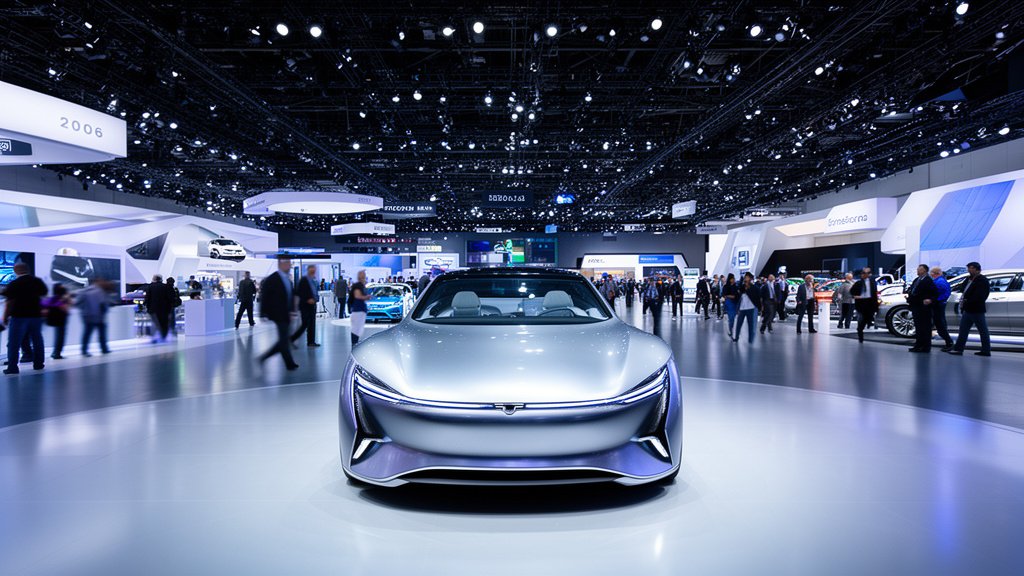
The 2026 edition of the LA Auto Show promises an unprecedented array of new vehicle debuts. Unlike static exhibitions of the past, this year’s show floors are designed to be dynamic. Global automotive titans—including legacy manufacturers from Detroit, Germany, and Japan, alongside emerging electric vehicle (EV) startups—are utilizing this platform to debut their latest design philosophies. The concentration of these vehicles under one roof offers a rare, granular opportunity for automotive journalists, investors, and consumers to compare Advanced Driver Assistance Systems (ADAS), interior ergonomics, and sustainable material integration in real-time. This density of innovation serves as a primary indicator for the industry’s trajectory heading into the following fiscal year.
The Ride and Drive Revolution
Perhaps the most significant differentiator for the 2026 show is the expansion of the interactive test track experiences. Recognizing that the modern buyer is increasingly skeptical of traditional showroom pressure, the organizers have overhauled the outdoor ride-and-drive components. Attendees will have the opportunity to engage with electrified powertrains, autonomous parking features, and high-performance vehicles in a controlled environment. This hands-on approach is not merely a marketing tactic; it is an essential educational tool. By allowing the public to experience the tangible benefits of regenerative braking or instant torque delivery, the LA Auto Show is actively dismantling the barriers to EV adoption that have persisted in the broader market.
The Intersection of Tech and Lifestyle
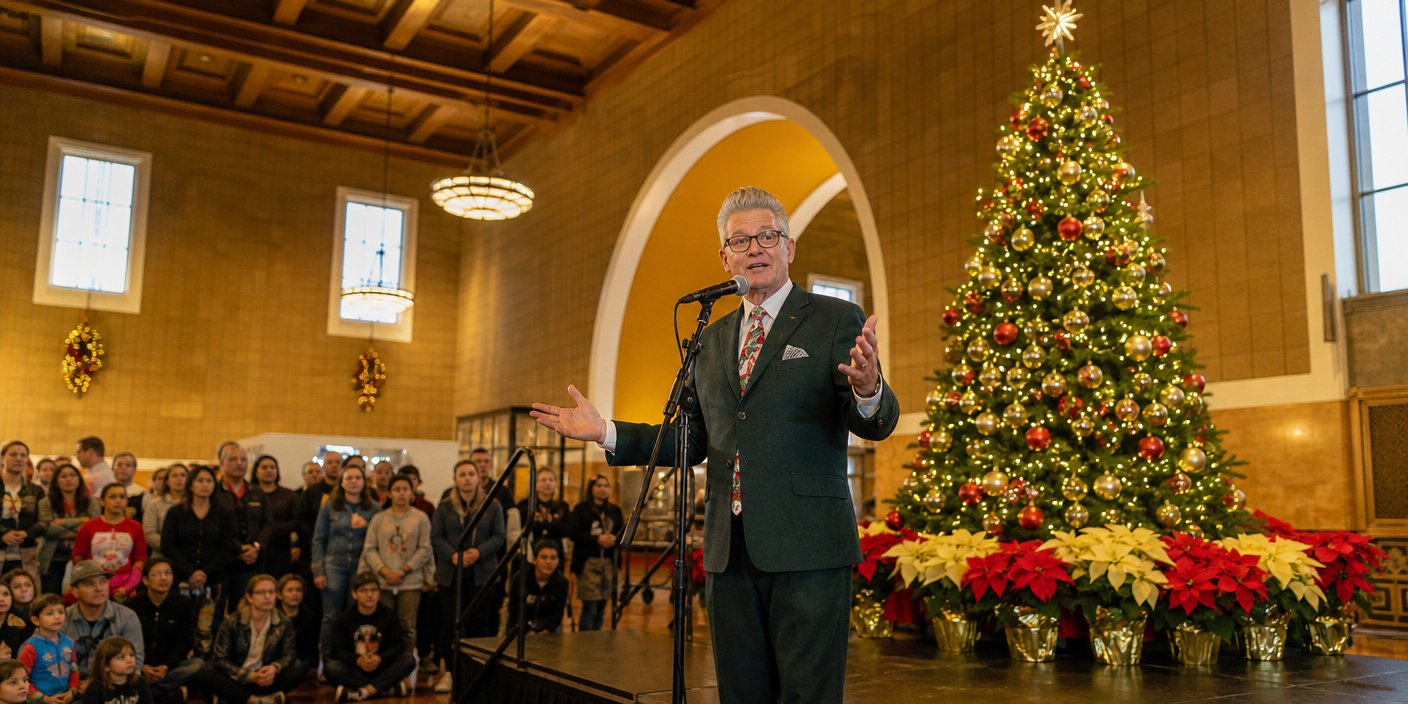
Southern California has long been the global capital of car culture, and the 2026 LA Auto Show leans heavily into this legacy while embracing the future. The event is intentionally scheduled to cater to a diverse demographic, integrating family-friendly entertainment activities with high-level industry discourse. By hosting interactive displays—ranging from virtual reality driving simulations to gaming lounges—the show successfully bridges the gap between the die-hard enthusiast and the casual suburban family. This strategic cultural positioning ensures that the event remains relevant not just as a trade show, but as a central pillar of the Los Angeles event calendar, driving substantial economic tourism to the downtown area during the late November window.
Sustainability and the Electric Shift
Underpinning every presentation at the 2026 show is the industry-wide mandate for sustainability. With the 2026 model year cycles in full swing, visitors will witness a paradigm shift in how vehicles are constructed and powered. The focus has moved beyond mere horsepower; it is now about energy density, software-defined vehicle architectures, and circular manufacturing. Expect to see heavy emphasis on charging infrastructure solutions, as manufacturers collaborate with utility providers to showcase how the vehicle of 2026 integrates into the broader Smart City grid. This focus validates the show’s claim to influence: it is where the future of energy policy meets the rubber on the road.
An Economic Catalyst for Southern California
The impact of the LA Auto Show extends far beyond the walls of the Los Angeles Convention Center. As one of the most prominent international automotive exhibitions, it acts as a massive economic engine for the region. The influx of tens of thousands of international delegates, media personnel, and automotive industry executives generates significant revenue for the city’s hospitality, transport, and service sectors. In 2026, this impact is expected to be more pronounced as the event integrates deeper partnerships with local technological hubs, effectively highlighting Los Angeles as a growing center for automotive engineering and software development, distinct from the manufacturing bases of the Midwest. This geographic shift is crucial for understanding the evolving map of global automotive power, placing LA at the center of the design and software-defined-vehicle revolution.