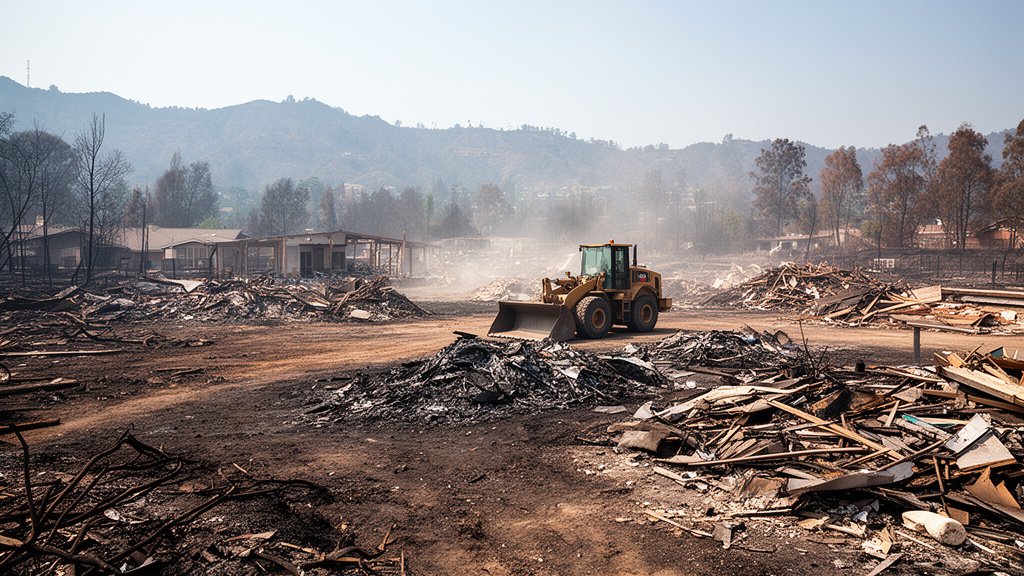
The cleanup following the Altadena Eaton Fire has done more than restore the landscape; it has unearthed a disturbing reality regarding the workforce responsible for that recovery. According to a recent analysis by the UCLA Labor Center, day laborers deployed for the post-fire cleanup faced severe hazardous working conditions, significant economic losses, and a lack of basic safety protections. This report provides a stark look at the vulnerabilities within the disaster recovery sector, shedding light on a “shadow economy” that thrives when public scrutiny fades. The findings highlight the urgency of addressing labor policy gaps as climate-driven disasters become increasingly frequent in California.
Key Highlights
- Hazardous Exposure: Workers frequently lacked essential Personal Protective Equipment (PPE), including N95 respirators, leading to prolonged exposure to toxic ash, asbestos, and structural debris.
- Economic Exploitation: The study identified systemic issues including wage theft, underpayment, and a failure to provide legally mandated overtime pay, leading to significant net economic losses for laborers.
- Regulatory Gaps: Current Cal/OSHA enforcement mechanisms proved insufficient in the fast-paced, loosely regulated context of disaster recovery, leaving workers without immediate legal recourse.
- Systemic Vulnerability: The reliance on undocumented or migrant labor for high-risk cleanup work creates a power imbalance, discouraging workers from reporting safety violations for fear of retaliation or deportation.
The Hidden Human Cost of Disaster Recovery
The UCLA analysis of the Altadena Eaton Fire recovery efforts provides a rare, granular look into the invisible workforce that arrives after the smoke clears. While public attention often focuses on the immediate impact of wildfires—burned acreage, lost homes, and evacuations—the recovery phase introduces its own set of dangers, which are increasingly offloaded onto the most vulnerable segments of the labor market.
Unmasking the Workplace Hazards
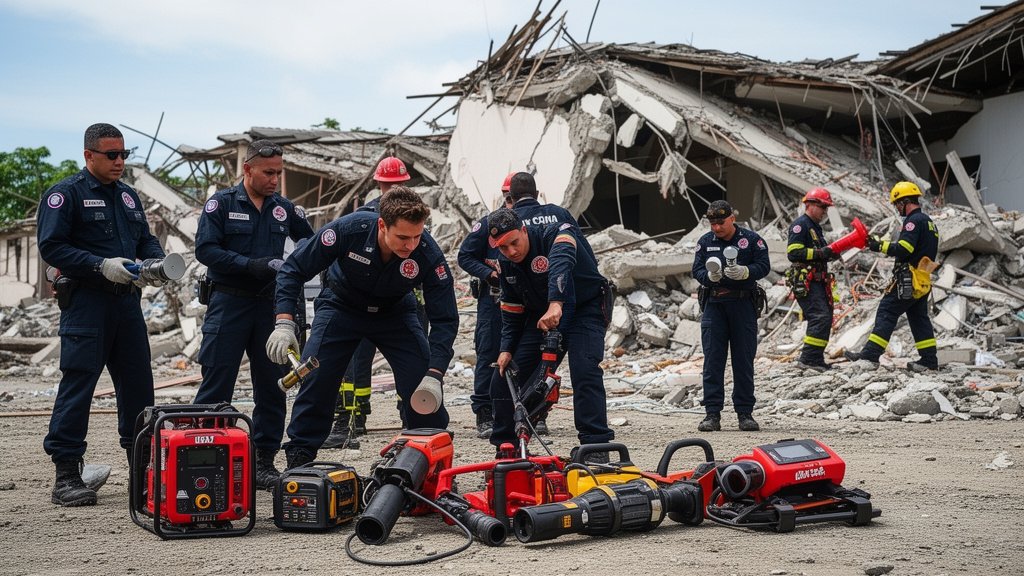
When a fire devastates an area like Altadena, the cleanup operation is massive. It involves clearing structural debris, hazardous waste, and landscape clearing. The UCLA findings reveal that many day laborers, recruited informally or through third-party staffing agencies, were routinely deployed to sites contaminated with toxic particulates without adequate training or protection. Respiratory risks are a primary concern; laborers were often documented working in areas filled with fine ash containing heavy metals and carcinogens without the industrial-grade respiratory protection required by law. Beyond respiratory health, the physical danger of handling unstable structural debris—often without the necessary safety gear like steel-toed boots or hard hats—turned the recovery site into a high-risk environment for injury.
The Economic Toll: Wages and Theft
Beyond the physical toll, the financial realities for these workers were equally grim. The report details a pattern of “wage theft by design.” Because much of the labor is performed on a cash basis or through short-term contracts, workers frequently struggle to collect promised wages. Researchers uncovered instances where laborers worked significantly over the standard 40-hour week without receiving the overtime compensation mandated by California law. Furthermore, the lack of a transparent payroll system meant that any dispute over payment often resulted in total loss for the worker. When laborers attempted to contest these discrepancies, they were often met with threats of termination or intimidation, reinforcing a cycle of financial instability.
Systemic Failure and the Path Toward Reform
The UCLA study does more than document individual suffering; it acts as an indictment of the current regulatory framework governing disaster recovery. When disaster strikes, the immediate need to restore infrastructure often takes precedence over rigorous labor oversight, creating a “Wild West” environment where regulations are viewed as optional.
Where Cal/OSHA Falls Short
While California maintains strict workplace safety regulations under Cal/OSHA, these rules are often predicated on fixed job sites with clear management structures. The disaster recovery industry, characterized by mobile crews and rapidly changing sites, presents a unique enforcement challenge. The UCLA report suggests that the state’s current inspection regime is ill-equipped to handle the decentralized nature of these projects. Inspectors often arrive after the work has been completed or are unable to track down the responsible sub-contractors, leaving safety violations unpunished and hazards unaddressed.
A New Framework for Recovery
To prevent the exploitation of future recovery workforces, the report advocates for several policy shifts. First, it calls for a mandate requiring prime contractors in disaster zones to hold direct responsibility for the labor practices of their subcontractors, effectively closing the “subcontracting loophole” that allows firms to distance themselves from labor abuses. Second, there is a clear need for a specialized task force dedicated to monitoring disaster recovery sites, ensuring that workers are informed of their rights and provided with the necessary PPE from day one. Finally, local governments must prioritize the certification of labor agencies operating in disaster zones to ensure they adhere to basic employment laws.
The Future of Climate-Driven Labor
As the frequency and intensity of wildfires in California continue to rise due to climate change, the demand for cleanup labor will only increase. If the status quo persists, the state risks building its disaster recovery on the backs of an exploited and endangered workforce. The UCLA study serves as a critical warning: the resilience of a community should not come at the expense of the safety and dignity of the individuals who help rebuild it. Addressing these labor protections is not merely a matter of social justice—it is a fundamental requirement for a sustainable and ethical approach to disaster management.
FAQ: People Also Ask
1. What are the main physical health risks faced by fire recovery workers?
The primary risks include exposure to toxic ash containing carcinogens and heavy metals, inhalation of asbestos from destroyed buildings, and physical trauma from handling unstable structural debris, often without proper respiratory or protective gear.
2. Why is wage theft so prevalent in this sector?
Wage theft occurs due to the informal nature of hiring for disaster cleanup, the use of multiple layers of subcontractors that obscure accountability, and the fear of retaliation among workers who may lack legal immigration status, making them unlikely to report violations.
3. How does the current California labor law fall short in these scenarios?
Current regulations are largely designed for fixed, permanent workplaces. Disaster recovery sites are often mobile, temporary, and involve multiple tiers of subcontractors, which complicates the ability of agencies like Cal/OSHA to effectively monitor and enforce safety standards in real-time.
4. What does the UCLA Labor Center recommend to improve conditions?
The report recommends stricter enforcement of liability for prime contractors, the creation of a specialized task force for disaster-site labor oversight, and the implementation of mandatory labor certification programs for any entity operating within a disaster zone.