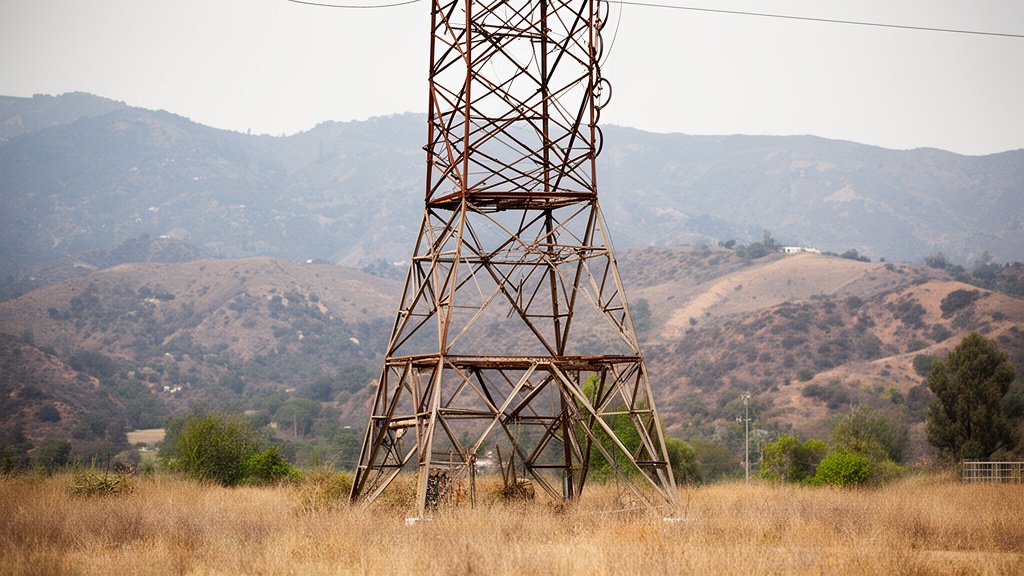
The Los Angeles County Fire Department has definitively concluded that the catastrophic January 2025 Eaton Fire—a blaze that claimed 19 lives and decimated vast swaths of property in Altadena—was ignited by electrical arcing stemming from an out-of-service Southern California Edison (SCE) transmission tower. This finding serves as a definitive turning point in the disaster, shifting the narrative from a natural tragedy to a preventable human error caused by infrastructure mismanagement. As the ashes settle, local officials, families of the victims, and legal advocates are coalescing around a single demand: total corporate accountability.
Key Highlights
- Official Cause Identified: The LA County Fire Department confirmed that electrical arcing from a decommissioned Southern California Edison tower ignited the Eaton Fire in January 2025.
- Human Cost: The wildfire resulted in the tragic loss of 19 lives and caused extensive destruction to residential properties across Altadena.
- Litigation Status: A high-stakes legal battle is currently in motion, with a formal trial date scheduled for 2027.
- Policy Shift: Local officials are aggressively lobbying for immediate, stricter oversight of decommissioned utility infrastructure to prevent future occurrences.
The Anatomy of a Preventable Disaster
The investigation into the Eaton Fire has centered on the culpability of Southern California Edison, specifically regarding the maintenance of “out-of-service” infrastructure. According to the official report released by the Los Angeles County Fire Department, the specific tower in question had been officially tagged as inactive. However, the report highlights a critical technical failure: residual energy and a lack of proper grounding protocols allowed for electrical arcing during high-wind conditions typical of the region.
This finding challenges the utility’s previous assertions regarding the safety of their decommissioned assets. The investigation details how arcing occurred despite the lines being theoretically disconnected, pointing to systemic failures in how SCE maintains safety standards for equipment that is no longer in active use but remains physically present in high-fire-risk zones. The technical report emphasizes that the “decommissioned” status provided a false sense of security, leading to the absence of the rigorous inspections required for active grid components.
The Legal Road to 2027
The announcement of the cause has accelerated the timeline for litigation. Plaintiffs—a coalition of surviving family members and homeowners—are leveraging the Fire Department’s findings as the cornerstone of their civil cases. With the trial date set for 2027, attorneys are preparing to argue that the utility was aware of the risks posed by aging, neglected infrastructure but failed to mitigate them effectively.
This legal proceeding is expected to be a landmark case. It raises fundamental questions about the duty of care utility providers owe to the communities in which they operate, particularly when they leave dormant equipment in place. For Altadena residents, this is not merely about financial restitution; it is about establishing a legal precedent that will force utility companies to prioritize public safety over cost-cutting measures during equipment retirement.
The Shift in Community Sentiment
The mood in Altadena has shifted from mourning to mobilization. Town hall meetings have become increasingly tense as residents demand to know how many other “out-of-service” towers exist in their neighborhoods that may pose similar threats. Local officials have begun calling on the California Public Utilities Commission (CPUC) to initiate a comprehensive audit of all utility companies operating within high-risk fire zones.
Beyond the immediate search for justice, the community is grappling with the long-term economic impact. Property insurance rates in the area have skyrocketed, and the stigma of the fire has impacted real estate values. The narrative has solidified: the Eaton Fire was not an act of God, but an act of corporate negligence that has permanently altered the landscape of Altadena.
Secondary Angles of the Investigation
1. The Infrastructure Aging Crisis: The Eaton Fire highlights a broader national issue regarding the lifespan of electrical grids. Many towers installed mid-20th century are reaching the end of their operational lifecycle, yet utility companies often opt for minimal “maintenance” rather than full replacement.
2. The Burden of Proof in Utility Litigation: This case will test the legal standards for “gross negligence” versus “ordinary negligence” in utility cases, potentially changing how juries perceive corporate responsibility in future wildfires.
3. Regulatory Oversight Failures: The CPUC is under mounting pressure to explain why there were no robust mandates for removing or fully de-energizing dormant infrastructure that could still be hazardous during extreme weather events.
FAQ: People Also Ask
Q: What exactly caused the Eaton Fire?
A: The Los Angeles County Fire Department confirmed that electrical arcing from an out-of-service Southern California Edison transmission tower was the ignition source.
Q: When is the trial for the Eaton Fire lawsuit?
A: Litigation is actively progressing, with the formal trial date set for 2027.
Q: How many people died in the Eaton Fire?
A: The fire resulted in 19 confirmed deaths and significant property destruction in the Altadena area.
Q: Is the California Public Utilities Commission involved?
A: Yes, local officials are lobbying the CPUC to conduct a statewide audit of decommissioned utility infrastructure in the wake of the investigative findings.