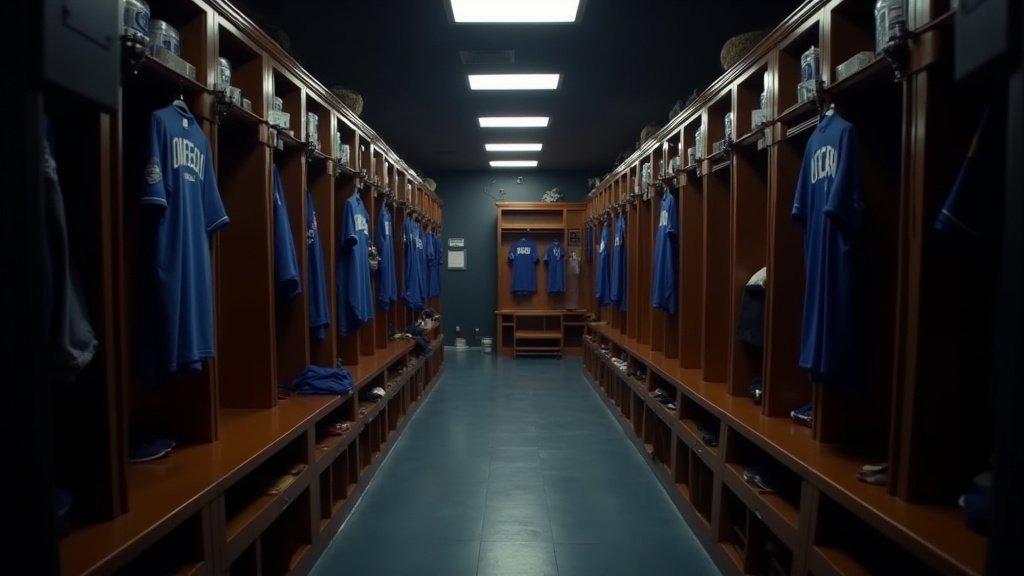
The atmosphere in the Dodgers’ clubhouse following Wednesday night’s 6-2 defeat was one of profound, hushed gravity. What began as a highly anticipated showdown in the National League Championship Series (NLCS) has transformed into a nightmare scenario for the Los Angeles faithful. With this latest loss, the Dodgers find themselves staring into the abyss of a 3-0 series deficit against a relentless Milwaukee Brewers squad. The reality is stark: one more loss, and the Dodgers’ postseason run—a campaign defined by immense expectations—will come to a premature and jarring end.
The Anatomy of a Game 3 Collapse
The 6-2 final score does not fully capture the strategic frustration that permeated the Dodgers’ dugout throughout the evening. The Brewers, playing with a level of efficiency and composure that has silenced opposing crowds all season, dismantled the Dodgers’ tactical approach inning by inning. From the outset, the Milwaukee pitching staff demonstrated a clear command of the strike zone, consistently keeping Dodgers hitters off-balance and forcing weak contact.
Conversely, the Dodgers’ inability to generate offensive momentum when runners were in scoring position proved to be the decisive factor. While there were moments of aggressive baserunning and high-leverage at-bats, the team failed to capitalize when the game remained within reach. The Brewers, capitalizing on timely hitting and defensive precision, extended their lead systematically, turning a manageable deficit for Los Angeles into an insurmountable gap by the seventh inning. The psychological toll of chasing a lead throughout the night clearly weighed on the Dodgers, as the tension became palpable in every pitch sequence.
The Historical Weight of the 3-0 Deficit
In the history of Major League Baseball, the 3-0 series deficit is widely regarded as one of the most difficult hurdles for any team to clear. Historically, teams facing a 3-0 deficit in a best-of-seven series have an abysmal success rate, with only a minuscule percentage of franchises ever forcing a Game 7, let alone winning the series. This statistical reality adds a suffocating layer of pressure to the Dodgers’ upcoming preparations. Every swing, every pitch, and every managerial decision from this point forward will be scrutinized under the lens of potential elimination.
Analysts have noted that the challenge is not merely physical, but deeply mental. Players must balance the desperation of knowing their season is on the line with the necessity of maintaining the routine and discipline that got them to the NLCS in the first place. For the Dodgers, the task is no longer about winning a championship; it is about extending the season by one more day. The focus must shift entirely to the immediate, ignoring the grand narrative of the series and concentrating on the singular execution required in Game 4.
Strategic Shifts and Managerial Imperatives
Looking toward the next game, the Dodgers are facing critical questions regarding their roster management and bullpen usage. The wear and tear of a long season, combined with the stress of the current series, has left the pitching staff thin. Managerial staff will be forced to make difficult decisions: do they rely on the veteran starters to carry a heavy load, or do they utilize an aggressive, high-rotation bullpen strategy to limit the Brewers’ exposure to their top hitters?
Furthermore, the lineup construction will undoubtedly face intense debate. The lack of production from key middle-of-the-order hitters has been a recurring theme in this series. Expect to see potential adjustments in the batting order as the Dodgers look to spark an offense that has looked stagnant against the Brewers’ pitching repertoire. The team’s ability to force a Game 5 will likely hinge on whether they can establish an early lead—something they have failed to do thus far—thereby putting the pressure back onto the Milwaukee rotation.
The Economic and Cultural Ripple Effects
Beyond the diamond, the potential elimination of the Dodgers carries significant weight for the Southern California sports market. The economic ecosystem surrounding a deep postseason run—from stadium attendance and merchandise sales to local broadcast ratings—is substantial. A premature exit, particularly in such a dominant fashion, forces the organization to confront uncomfortable questions regarding roster construction, salary cap implications, and the long-term viability of their current “win-now” philosophy.
For the fans, Wednesday night’s loss serves as a harsh reminder of the volatility inherent in playoff baseball. The emotional investment in a team that dominated the regular season makes the prospect of an early exit particularly jarring. However, the true test of this Dodgers team will be how they respond in the coming 24 hours. The capacity to compartmentalize failure and reset for a do-or-die game is the hallmark of a championship-caliber organization. As the league turns its attention to the next contest, the baseball world will be watching to see if Los Angeles can salvage their season or if they are destined to become another cautionary tale in the annals of postseason baseball history. The stage is set for a dramatic turn of events, or a swift and quiet end to a storied campaign.