Newport Beach is shifting its coastal strategy from reactive emergency responses to a proactive, long-term resilience framework following a series of damaging weather events, including an El Niño-fueled high-surf cycle and remnants from Tropical Storm Rachel. During a recent study session, the Newport Beach City Council convened to evaluate the fiscal and engineering viability of permanent infrastructure upgrades, signaling a major policy shift aimed at mitigating future storm-driven beach erosion and residential flooding.
Key Highlights
- Strategic Shift: The city is moving away from purely reactive emergency measures toward a long-term ‘Coastal Resilience Plan’ to mitigate the impact of rising sea levels and intense storm surges.
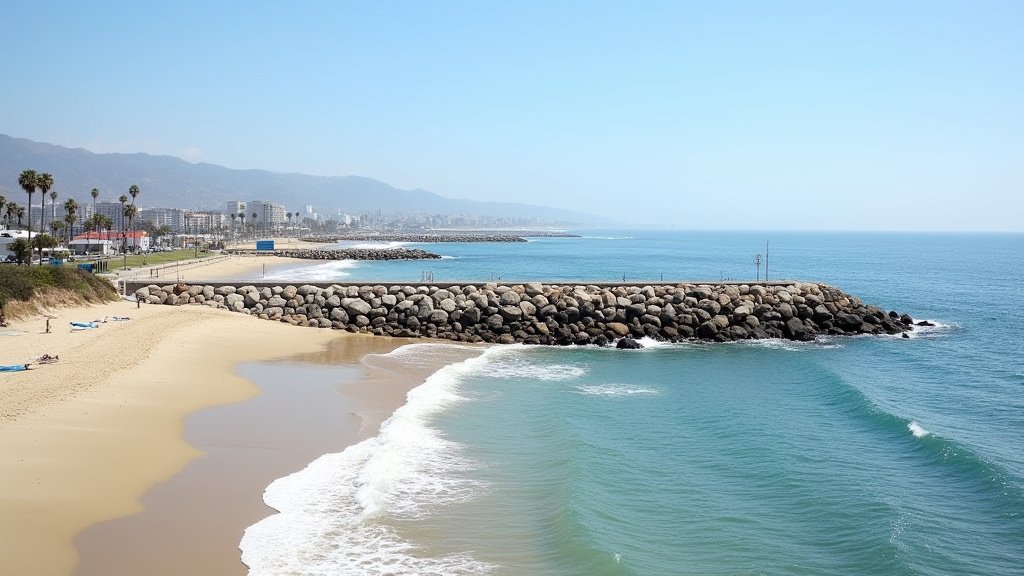
- Specific Vulnerabilities: Engineering reports highlighted the Balboa Peninsula and the harbor jetties as primary zones of concern, where high-energy wave action has significantly accelerated sediment transport and beach thinning.
- Regulatory Hurdles: Solutions remain subject to strict oversight by the California Coastal Commission, requiring a delicate balance between ‘hard’ infrastructure (revetments) and ‘soft’ solutions (sand replenishment).
- Collaborative Engineering: The city is coordinating with the U.S. Army Corps of Engineers to evaluate the efficacy of current breakwater and jetty designs against modern, more frequent storm intensity.
Fortifying the Coastline: Inside the City’s Resilience Strategy
The recent spate of extreme weather has laid bare the fragility of Newport Beach’s current shoreline defenses. The convergence of El Niño patterns and residual energy from tropical storm systems created a “perfect storm” scenario that overwhelmed existing sand-retention measures. As water levels encroached on residential properties and blocked critical arterial roads, city officials faced intense pressure to provide more than just temporary sandbags and emergency debris removal.
The Engineering Dilemma: Hard vs. Soft Solutions
At the heart of the Council’s study session was the enduring conflict between two distinct methodologies: “hard” armoring and “soft” nourishment. Hard infrastructure—such as the reinforcement of rock revetments and the construction of new sea walls—provides immediate, tangible protection against high-velocity wave energy. However, these structures often cause “scouring” at their base, which can exacerbate beach erosion on adjacent, unprotected plots. Conversely, “soft” solutions like large-scale sand replenishment are environmentally preferred by agencies like the California Coastal Commission, yet they are transient, expensive, and require frequent, costly maintenance cycles to remain effective.
City engineers presented data suggesting that a hybrid approach—installing sub-surface geo-tubes to support beach width while maintaining localized rock armoring where homes are at immediate risk—may be the most viable path forward. The challenge lies in securing the necessary funding for capital improvements while satisfying state environmental mandates that prioritize natural coastal dynamics over permanent structures.
Inter-Agency Collaboration and Federal Oversight
Newport Beach does not operate in a vacuum. A significant portion of the coastline’s health is dictated by the harbor entrance, which falls under the jurisdiction of the U.S. Army Corps of Engineers. The Council emphasized that any long-term plan must include a renegotiation of dredging schedules and jetty maintenance. Current models indicate that the natural flow of sand (littoral drift) is being disrupted by harbor infrastructure, a factor that has intensified the erosion observed on the Balboa Peninsula. Engaging federal partners to modify these upstream structures is now a pillar of the city’s defense strategy.
The Economic and Community Imperative
Beyond the physical structure, the economic ramifications of inaction are severe. Tourism, which accounts for a substantial portion of Newport Beach’s revenue, is intrinsically linked to the width and safety of its beaches. Property values along the beachfront remain high, but insurers are increasingly wary of coverage in high-risk zones. The Council noted that failure to implement a robust infrastructure plan could lead to increased insurance premiums for residents and a long-term degradation of the city’s tax base. Residents who spoke during the public comment portion of the study session urged the Council to prioritize projects that offer the longest “design life,” moving away from Band-Aid solutions that fail after a single heavy storm season.
FAQ: People Also Ask
Q: What specific areas of Newport Beach are at the highest risk for future flooding?
A: The Balboa Peninsula, particularly the area near the harbor entrance, and low-lying residential zones along the Newport Harbor waterfront are identified as the most vulnerable to storm surge and high-tide flooding.
Q: How does the California Coastal Commission influence these decisions?
A: The Commission acts as the primary regulatory authority. They must approve any “hard” construction projects on the coast. They typically push for “soft” solutions like beach nourishment to protect the natural coastal ecology, often slowing down the permitting process for concrete sea walls or major rock revetments.
Q: Is sand replenishment a permanent solution?
A: No. Sand replenishment is considered a “soft” solution that is temporary by nature. Ocean currents and storm waves naturally carry the added sand away over time, requiring the city to repeat the process periodically, which makes it an ongoing, rather than one-time, financial commitment.