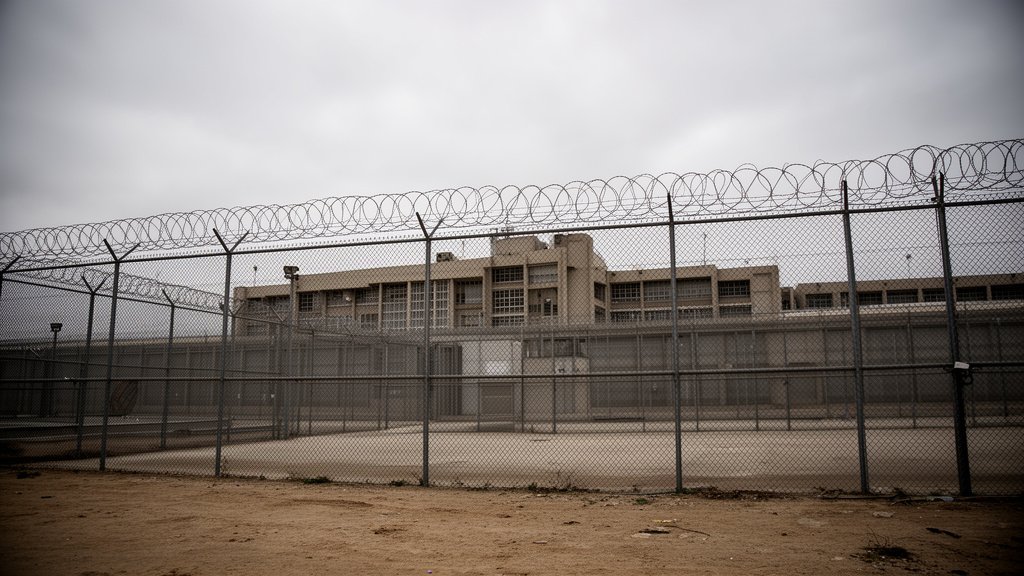
Officials are conducting a formal homicide investigation following the death of inmate Francisco A. Perez at the California State Prison, Los Angeles County (CSP-LAC) on August 22, 2026. The California Department of Corrections and Rehabilitation (CDCR) has confirmed the incident, identifying Perez’s cellmate, Juan R. Saucedo, as the primary suspect in the ongoing criminal inquiry. As the investigation proceeds, Saucedo has been moved to restricted housing.
Key Highlights
- Incident Date: The death occurred on August 22, 2026, at the California State Prison-Los Angeles County facility in Lancaster.
- Status: State officials have officially categorized the death of Francisco A. Perez as a homicide.
- Primary Suspect: Juan R. Saucedo, who shared a cell with the victim, has been identified as the prime suspect and is currently held in restricted housing.
- Next Steps: The CDCR is coordinating with the local district attorney’s office to determine appropriate charges and complete the investigative process.
Investigative Procedures and Institutional Safety
The announcement of a homicide investigation at CSP-LAC marks the beginning of a rigorous, multi-layered legal process designed to determine the precise circumstances surrounding Francisco A. Perez’s death. When an inmate dies under suspicious circumstances or due to an apparent violent altercation, the CDCR initiates a standard protocol that involves several agencies, including the prison’s own Investigative Services Unit (ISU) and, frequently, local law enforcement partners.
The Mechanics of Prison Homicide Investigations
In cases involving inmate deaths, the primary objective of the CDCR is to secure the scene, preserve physical evidence, and ensure the safety of other incarcerated persons and staff. The investigation into the death of Mr. Perez involves a forensic review of the cell environment. Because Juan R. Saucedo is the primary suspect and was housed in the same cell, the investigation likely focuses on forensic evidence, witness statements from corrections officers who conducted rounds, and any potential security footage that may have captured activity within the unit.
Moving the suspect to restricted housing is a procedural necessity under CDCR guidelines. This action serves two primary purposes: it separates the suspect from the general population to ensure the integrity of the investigation, and it maintains safety within the housing unit. Restricted housing is a secure environment that limits the movement of the inmate, allowing investigators to conduct interviews and gather evidence without the complications of the general yard environment.
Historical Context of CSP-LAC
California State Prison, Los Angeles County, located in Lancaster, has historically faced challenges associated with its mission as a high-security facility. Housing a diverse range of inmates, CSP-LAC often deals with the complex dynamics of gang affiliations, interpersonal conflicts, and the psychological stressors inherent in long-term incarceration. The facility is subject to oversight by the Office of the Inspector General, which monitors the CDCR’s compliance with safety protocols. This homicide investigation will likely fall under the scrutiny of state auditors to determine if any systemic lapses occurred that could have prevented the tragedy.
The Path to Prosecution
Once the CDCR concludes its initial fact-finding, the file is typically referred to the Los Angeles County District Attorney’s office. Prosecutors will then review the findings to decide on the appropriate criminal charges against the suspect. This process often takes time, as the state must establish a clear timeline of events, motive, and specific actions taken on the day of the incident. The suspect’s status in restricted housing does not preclude future criminal proceedings; rather, it sets the stage for legal accountability within the state’s penal system.
Secondary Angles: Systemic Impacts of Prison Violence
The death of Mr. Perez highlights several broader issues currently facing the California correctional system:
1. Staffing and Oversight: The ability of corrections officers to monitor inmate interactions effectively remains a critical point of debate. High vacancy rates among custodial staff can impact the frequency and quality of cell checks, which may contribute to lapses in security.
2. Mental Health and Cellmate Pairing: The CDCR continuously evaluates its inmate classification and housing assignment policies. The tragedy raises questions regarding the psychological screening processes used to determine cellmate compatibility and the potential for violence in shared quarters.
3. Legal Precedents: Each homicide investigation in a state facility builds a data set that the CDCR uses to adjust its safety training and containment procedures, suggesting that the outcomes of this investigation could influence future housing policies across California’s prison network.
FAQ: People Also Ask
Q: What is the significance of the suspect being placed in ‘restricted housing’?
A: Restricted housing, formerly known as administrative segregation, is a secure area where inmates are separated from the general prison population. In a homicide investigation, this is done to protect the integrity of the ongoing investigation, prevent the suspect from interacting with potential witnesses, and maintain safety within the facility.
Q: Who leads the investigation into the death of Francisco A. Perez?
A: The investigation is spearheaded by the California Department of Corrections and Rehabilitation (CDCR) in conjunction with local law enforcement. Given the nature of the event, the findings will likely be presented to the Los Angeles County District Attorney for prosecutorial review.
Q: Does a homicide investigation at a state prison involve external oversight?
A: Yes. Beyond internal CDCR investigators, the Office of the Inspector General provides independent oversight. Furthermore, the district attorney’s office becomes involved to evaluate evidence for criminal prosecution, ensuring the process is handled according to state law rather than purely internal prison policy.
Q: How does the CDCR determine if an inmate’s death should be investigated as a homicide?
A: The CDCR labels deaths as homicides based on preliminary findings from the scene, physical evidence of trauma, and coroner reports. If initial assessments indicate that the death was caused by the actions of another person, the facility moves into full homicide investigation mode, regardless of whether a suspect is immediately identified.