
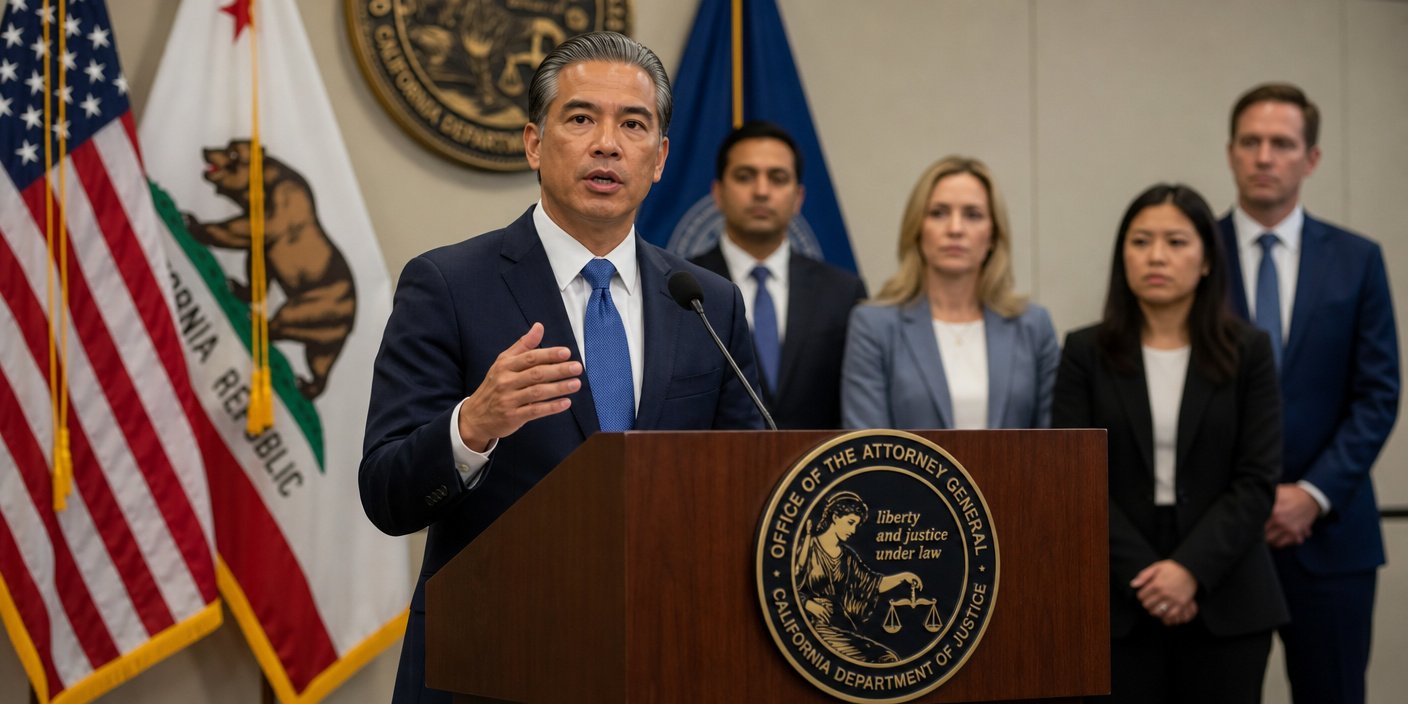
California’s public safety landscape is currently undergoing a pivotal shift, underscored by the latest data release from the Department of Justice. Attorney General Rob Bonta has made it explicitly clear that for his office, the mandate of public safety remains ‘job number one, two, and three.’ This assertion comes at a time when the state is grappling with complex challenges ranging from the localized impact of violent crime to the sophisticated, multi-jurisdictional nature of the fentanyl crisis. By prioritizing data-driven enforcement and deep cooperation with local entities, the DOJ is attempting to reshape how California addresses its most pressing security threats.
Analyzing the 2024 Landscape: Data-Driven Policing
The recently released statistics serve as more than just a ledger of offenses; they are the roadmap for the Department of Justice’s operational strategy. According to the data, California is witnessing a nuanced fluctuation in crime rates, where traditional metrics like property crime are being analyzed alongside the more insidious, high-impact crimes of human trafficking and narcotic distribution. The DOJ’s approach, as articulated by the Attorney General, is to move away from reactive enforcement toward proactive disruption.
By leveraging comprehensive, statewide datasets, the DOJ is now able to allocate resources with surgical precision. This is particularly relevant in areas like Los Angeles, where the concentration of organized retail theft and violent crime necessitates a specialized, rather than generalized, response. The data shows that when the DOJ integrates its analytical capabilities with local law enforcement, the disruption of criminal networks—particularly those involved in fentanyl trafficking—is significantly more efficient.
The Fentanyl Frontline: A Coordinated Response
Perhaps the most pressing concern for the Attorney General is the fentanyl epidemic, which continues to claim lives across California at an alarming rate. The DOJ’s strategy is no longer confined to border-level interdiction; it has expanded to include a concerted effort to dismantle the distribution hubs within the state’s urban cores. This involves not only the seizure of illicit substances but also the tracking of the financial networks that undergird these trafficking operations.
This strategy is grounded in the reality that the fentanyl crisis is both a public health emergency and a public safety threat. By focusing on the ‘mid-to-high level’ distributors, the DOJ aims to choke the supply chain. The latest reports highlight a notable increase in multi-agency task forces, which have successfully targeted stash houses that were previously operating under the radar. This shift reflects a broader, modern doctrine where the DOJ acts as a force multiplier for local departments that may lack the specialized intelligence infrastructure to map out these complex criminal networks on their own.
Strengthening the Nexus with Local Law Enforcement
The effectiveness of the Attorney General’s ‘public safety first’ agenda relies heavily on the strength of partnerships with municipal law enforcement, such as the Los Angeles Police Department and various Sheriff’s offices. There is a historical context here that cannot be ignored; for years, the divide between state-level DOJ policy and local street-level policing led to gaps in intelligence and operational consistency. Bonta’s recent initiatives seek to bridge this divide through standardized reporting, shared access to regional crime databases, and, crucially, mutual aid agreements.
This cooperation is especially visible in the fight against gun violence. By identifying the origin of illegal firearms through refined tracing protocols, the DOJ provides local investigators with the tools to connect disparate violent crimes to single distribution sources. This holistic view of gun violence—treating it as a systemic issue rather than a series of isolated incidents—is central to the current DOJ strategy. The success of these efforts is measured not just in arrests, but in the sustained reduction of firearm-related incidents in high-risk neighborhoods.
Economic and Social Implications of Crime Disruption
The ripple effects of this public safety focus extend far beyond the immediate reduction in crime statistics. There is a clear economic imperative at play. Organized retail theft, for instance, has long-term consequences for local business ecosystems, affecting insurance rates, staff retention, and community investment. By treating these ‘quality of life’ crimes as serious public safety issues, the DOJ is signaling to the business community that the state is actively working to stabilize the environment for commerce.
Furthermore, the social impact of these policies is profound. By aggressively pursuing human trafficking rings, the DOJ is directly addressing the exploitation of the state’s most vulnerable populations. This dual focus—protecting the economic vitality of the state while simultaneously safeguarding its citizens from exploitation—defines the current iteration of the Department of Justice’s mission. As these programs mature, the challenge will be to maintain this high-intensity level of engagement while ensuring that civil liberties remain protected, a balance that remains a core subject of debate in Sacramento.
Looking Toward the Future of California Safety
As we look ahead, the trajectory of California’s public safety policy will likely remain centered on this integration of technology, data, and inter-agency cooperation. The Attorney General’s commitment to making public safety the top priority suggests that the DOJ will continue to lean into its role as a statewide coordinator. Future policy shifts may see an even greater emphasis on the intersection of mental health crisis management and law enforcement, as the state attempts to solve the complex riddle of modern urban safety. The success of the current approach will ultimately be determined by the sustainability of these partnerships and the ability of the DOJ to adapt its strategies as criminal networks evolve in their methods and reach.