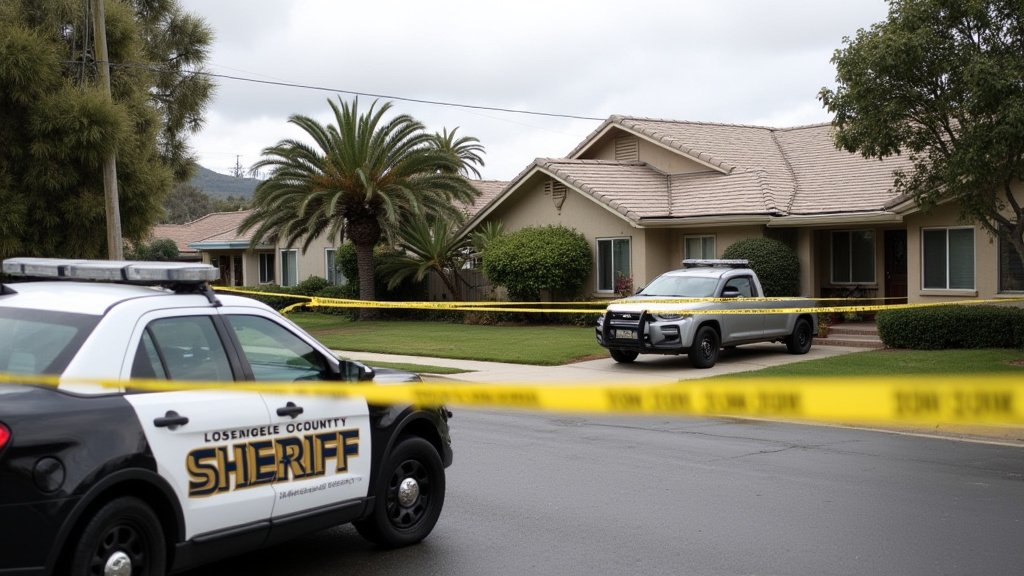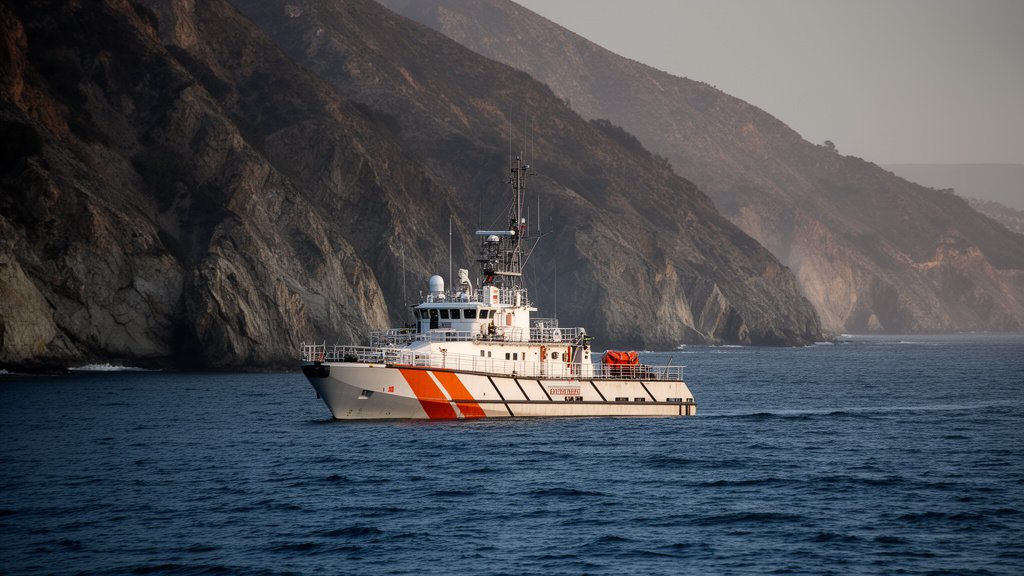
The search for the final victim of a fatal medical helicopter crash off the coast of Catalina Island has concluded, with authorities confirming the recovery of the body. The incident, which involved a Mercy Air helicopter conducting a medical transport, claimed the lives of three individuals, while two crew members managed to survive the crash. The operation, which faced complex logistical challenges due to the maritime environment, has now shifted focus entirely to the ongoing investigation into the causes of the disaster.
Key Highlights
- Final Recovery: Official search teams have successfully recovered the body of the final missing female passenger, closing the immediate search and rescue phase.
- Casualty Report: The crash, which occurred off the coast of Catalina Island, resulted in three confirmed fatalities and two survivors.
- Operational Context: The aircraft was operated by Mercy Air, an affiliate of Air Methods, and was conducting a medical emergency transport mission at the time of the incident.
- Investigation Status: The National Transportation Safety Board (NTSB) has taken control of the site investigation, focusing on mechanical, human, and environmental factors leading to the descent.
Oceanic Recovery Operations and the Path to Answers
The recovery of the final missing victim marks a somber turning point in the tragic incident involving the Mercy Air helicopter crash off the Catalina Island coast. For days, dive teams and maritime rescue units from the U.S. Coast Guard and local law enforcement agencies battled challenging underwater conditions to locate and retrieve the deceased. The recovery operation was not merely a logistical challenge; it was a delicate, high-stakes endeavor carried out in the deep waters off the East End of the island, requiring specialized sonar equipment and remotely operated vehicles (ROVs) to navigate the terrain of the seafloor.
The Anatomy of the Search
The initial phase of the incident response was defined by the desperate race against time. Following the crash, which occurred under conditions that have since become a focal point for investigators, the U.S. Coast Guard deployed assets to the coordinates of the downed aircraft. The proximity to the island’s steep coastal shelf created immediate complications for rescue teams, with currents and limited visibility hindering initial efforts. The retrieval of the final body brings closure to the families involved, though it compounds the gravity of the disaster as the aviation community looks toward the official report for answers.
Investigating the Mercy Air Mission
The helicopter involved was a Bell 407, a workhorse of the Helicopter Emergency Medical Services (HEMS) industry. While the aircraft is known for its durability and reliability, the NTSB and Federal Aviation Administration (FAA) are conducting a forensic analysis of the wreckage, which was recovered from the ocean floor. Investigators are looking at a “triad of causes” common in aviation disasters: potential mechanical failure, environmental conditions (specifically the visibility and turbulence experienced in the Pacific coastal corridor that night), and the potential for pilot disorientation. The flight data recorder (FDR) and cockpit voice recorder (CVR) are being analyzed to understand the final minutes of the flight. This investigation is critical not only for this specific case but for the broader HEMS industry, which faces unique risks operating in diverse and often harsh coastal environments.
Aviation Safety and Industry Implications
The broader HEMS industry has faced intense scrutiny over the last decade regarding night-time flight operations and safety protocols over water. Medical flights are, by nature, high-urgency operations where the pressure to complete a mission can inadvertently weigh against environmental risks. Industry advocates and safety experts are now examining whether current safety management systems (SMS) sufficiently account for the rapid changes in coastal weather patterns near Catalina Island. As the aviation world waits for the preliminary NTSB report, the focus remains on whether additional technology, such as expanded use of Night Vision Goggles (NVG) or enhanced terrain awareness and warning systems (HTAWS), could have mitigated the risks associated with this specific flight path. The incident serves as a stark reminder of the inherent dangers faced by medical air crews who risk their lives to transport patients in critical conditions.
The Impact on the Local Community
For the residents of Catalina Island and the broader aviation community in Southern California, this loss is deeply felt. Medical air transport is a lifeline for the island, providing a critical link to mainland trauma centers that would otherwise be hours away via boat. The grounding of the regional fleet during the initial investigation caused a temporary disruption in service, forcing emergency planners to rely on alternative maritime and mainland air support. This contingency planning highlights the vulnerability of remote coastal communities that depend on a narrow network of specialized aviation services. The recovery of the final victim allows the community to begin the grieving process, but the long-term impact on how the island manages medical emergencies remains a subject of critical discussion among local stakeholders and health officials.
FAQ: People Also Ask
Q: What is the current status of the NTSB investigation into the crash?
A: The NTSB has recovered the main wreckage and is currently conducting a detailed forensic analysis of the flight components and data. A preliminary report is expected in the coming weeks, which will outline the facts of the flight, while a final probable cause report may take 12 to 24 months to complete.
Q: Who operates the medical flights for Catalina Island?
A: Medical flights in the region are typically serviced by private HEMS operators, including Mercy Air, an Air Methods company. These services are contracted to provide 24/7 critical care transport to mainland hospitals.
Q: How does the recovery of a body from the ocean floor typically work?
A: Recovery operations in deep water require specialized teams, often using sonar to map the seafloor, followed by ROVs or human divers if the depth allows. The process is slow and weather-dependent, aiming to preserve the integrity of the remains and potential forensic evidence found at the crash site.