A nationwide ground stop has been issued by the Federal Aviation Administration (FAA), effectively halting all air traffic across the United States. The unprecedented disruption follows a critical failure within the agency’s communication systems, specifically impacting the critical data distribution channels used to alert pilots of hazards. From the massive terminals of Los Angeles International Airport (LAX) to the regional hubs of Hollywood Burbank, Long Beach, Ontario, and John Wayne, the flow of commerce and travel has come to a standstill, leaving thousands of passengers stranded and airlines scrambling to assess the magnitude of the operational failure.
Key Highlights
- Total Ground Stop: The FAA has ordered a temporary pause on all flight departures nationwide due to a failure in the Notice to Air Missions (NOTAM) system.
- Regional Impact: Major Southern California airports, including LAX, Hollywood Burbank, Long Beach, Ontario, and John Wayne, are experiencing significant delays and cancellations.
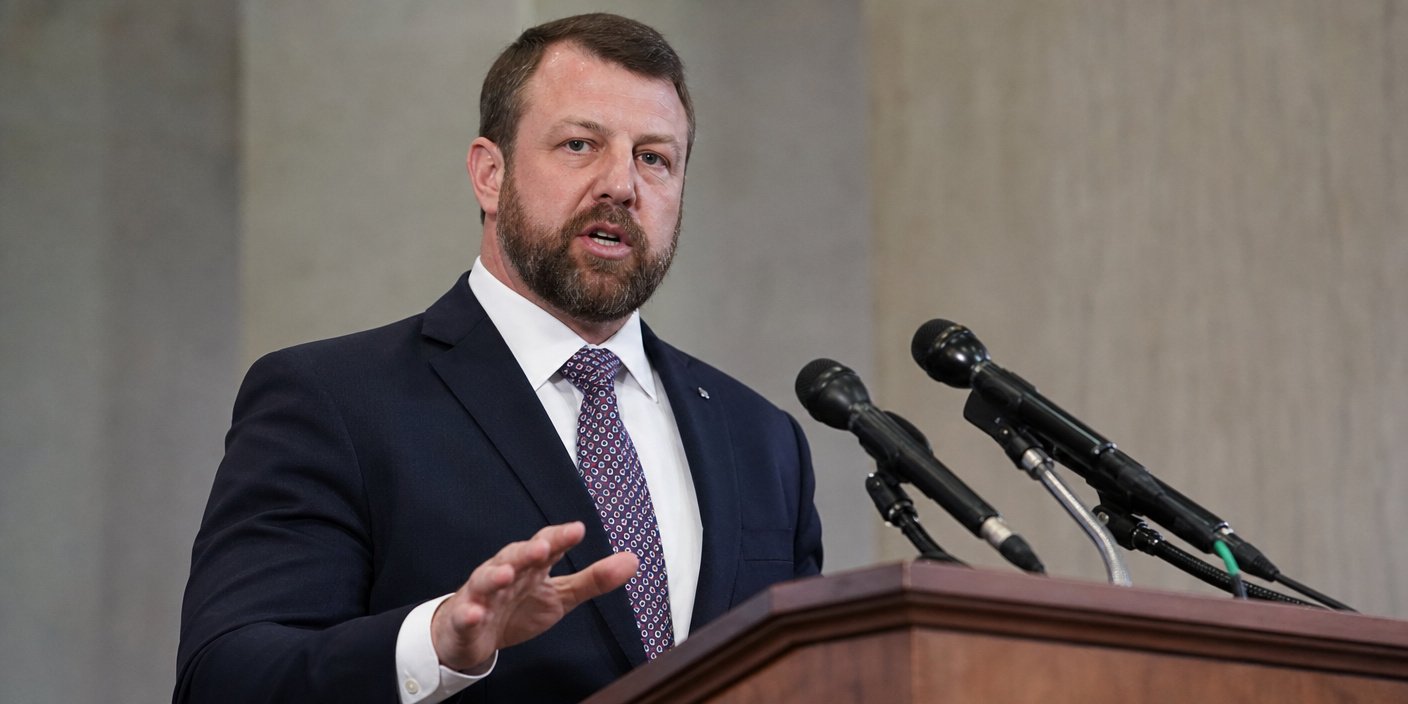
- Security Status: Homeland Security Secretary Markwayne Mullin has issued a statement confirming that there is currently no indication of a nefarious attack, attributing the chaos to technical infrastructure failure.
- Systemic Failure: The disruption stems from the system used to provide real-time safety data to flight crews, grounding flights to prevent unsafe operations.
The Anatomy of the Airspace Shutdown
The decision to ground all flights within the United States is one of the most drastic measures the Federal Aviation Administration can take. This emergency protocol is reserved for situations where the safety of the national airspace system can no longer be guaranteed. At the heart of this collapse is the Notice to Air Missions (NOTAM) system. The NOTAM system is the foundational architecture of modern aviation safety, responsible for distributing essential information to flight crews regarding hazards, closed runways, equipment outages, and other operational changes. When this system fails, pilots are essentially flying blind, as they lose access to the real-time data required to conduct flights safely.
The Ripple Effect Across Southern California
For travelers moving through Southern California, the impact was immediate and severe. LAX, which serves as one of the world’s busiest international gateways, saw its runways emptied within minutes of the FAA’s directive. The cascading effect did not stop at LAX; secondary airports such as Hollywood Burbank, Long Beach, Ontario, and John Wayne quickly hit capacity as departing aircraft were held at gates, and arriving flights were forced into holding patterns or diverted to alternative airfields. This regional congestion creates a logjam that is notoriously difficult to clear, as the stacking of aircraft requires a complex, multi-layered choreography to unwind once the system is restored. Airline operations teams are now tasked with the Herculean effort of rescheduling thousands of displaced passengers, a process that can take days to stabilize even after the ground stop is officially lifted.
Addressing National Security Concerns
In the immediate wake of the blackout, speculation regarding the cause of the failure ran rampant, with many questioning whether the outage was the result of a cyberattack or deliberate sabotage. Providing clarity amidst the confusion, Homeland Security Secretary Markwayne Mullin took to the podium to offer reassurance to the public. Mullin explicitly stated that there is currently no evidence of a nefarious attack, nor any indication of a malicious actor or state-sponsored cyber warfare campaign. By framing the incident as a purely internal technical failure, the administration is attempting to prevent mass panic, though this disclosure has simultaneously ignited a fierce debate regarding the aging infrastructure of our nation’s critical aviation systems.
Secondary Angles: Infrastructure, Economy, and Recovery
To understand the broader implications of this event, we must look beyond the immediate logistics of the ground stop. First, there is the critical issue of infrastructure investment. Critics and industry analysts have long warned that the FAA’s legacy IT systems are increasingly vulnerable to the demands of modern, high-volume air travel. This failure serves as a stark reminder that the backbone of the American aviation network relies on software architecture that may require significant modernization to prevent future systemic collapses. The cost of such an outage is measured not just in delayed vacations, but in the millions of dollars lost in productivity, fuel consumption, and cargo transit delays.
Second, the economic impact on the airline industry is compounding. With every hour that planes remain on the tarmac, carriers incur massive operational costs, including crew time-outs, rebooking fees, and the ripple effect of crew scheduling conflicts that will continue to plague airlines long after the NOTAM system is back online.
Finally, we must consider the future of passenger protection. While this event is labeled a technical failure, it underscores the fragility of the travel industry. Passengers are encouraged to familiarize themselves with their rights during major service interruptions, as airlines are often under federal mandates to provide compensation or hotel accommodations when delays of this magnitude occur. However, the complexity of a ‘force majeure’ event—such as a system-wide infrastructure failure—often creates a gray area in consumer protection law that leaves many passengers bearing the financial brunt of the chaos.
FAQ: People Also Ask
Is it safe to fly right now?
No. The FAA ground stop specifically prohibits takeoffs because the data needed for safe flight operations is unavailable. You should contact your airline directly for the most current information regarding your specific flight status.
Can I get a refund if my flight is canceled?
Generally, federal regulations require airlines to provide a full refund if they cancel a flight, regardless of the reason, provided you choose not to be rebooked on another flight. Check your airline’s specific policies for handling large-scale system outages.
Is this an act of terrorism or cyber warfare?
According to Homeland Security Secretary Markwayne Mullin, there is no indication of any nefarious attack. The current evidence points toward a catastrophic failure of the internal NOTAM communication system.
How long will it take for air travel to return to normal?
Once the NOTAM system is restored, the recovery process is not instantaneous. Airlines must clear the backlog of grounded flights, re-crew planes, and manage airspace congestion. It is expected that delays and cancellations will continue for 24 to 48 hours after the system is fully operational.