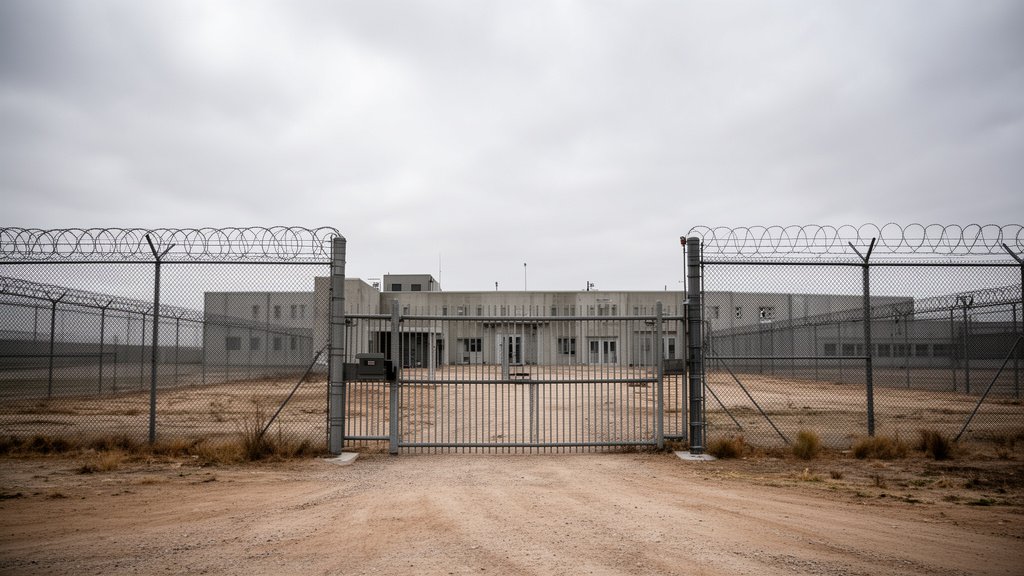
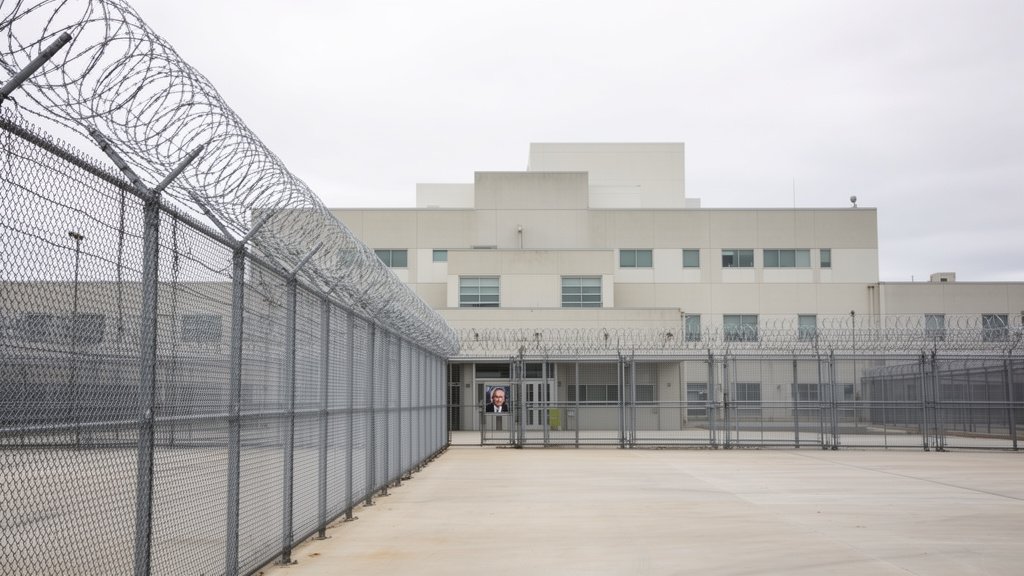
A court-appointed medical monitor has issued a scathing report detailing systemic healthcare failures at the California City Immigration Processing Center, signaling a profound breach of medical care standards. The investigation, which centered on the facility’s internal operations, found a laundry list of lapses including persistent delays in treatment, insufficient patient assessments, and a failure to address the chronic needs of detainees. These findings suggest a pattern of inadequate care that extends well beyond isolated incidents, directly challenging the facility’s ability to adhere to a federal judge’s prior mandate requiring constitutionally adequate healthcare for all individuals in custody.
Key Highlights
- Systemic Breakdown: The report concludes that medical deficiencies at the California City facility are indicative of systemic operational failures rather than one-off mistakes.
- Treatment Delays: Evidence points to consistent, recurring delays in medical assessments and essential treatment protocols, putting vulnerable populations at risk.
- Federal Non-Compliance: The findings explicitly question the facility’s compliance with prior federal court orders, which require the maintenance of constitutional standards for healthcare.
- Scope of Oversight: This report marks a critical inflection point in the ongoing scrutiny of detention conditions, emphasizing the gap between policy and practice.
The Anatomy of a Systemic Failure
The report from the court-appointed monitor provides a rare, transparent glimpse into the internal operations of the California City Immigration Processing Center. For years, advocates and human rights organizations have raised concerns regarding the quality of care within privatized detention facilities. This report serves as more than just a list of grievances; it is a clinical diagnosis of institutional negligence. The monitor’s documentation highlights that the issues are not merely procedural hiccups or administrative oversight; rather, they are systemic, meaning they are built into the very way the facility processes and cares for detainees.
The Impact of Delayed Assessments
Central to the report’s findings is the issue of timing. In a detention setting, medical assessment is the first line of defense against the deterioration of health. When assessments are delayed, chronic conditions—such as diabetes, hypertension, or cardiovascular disease—go unmanaged. The monitor documented a recurring trend where initial health screenings were either pushed back beyond required timeframes or conducted in a manner that failed to identify urgent underlying health issues. This gap between the requirement to provide care and the reality on the ground creates a high-stakes environment where treatable conditions are allowed to become emergencies.
Challenges to Constitutional Standards
Under the United States Constitution, individuals in government custody, including those held in civil immigration detention, are entitled to a standard of care that prevents deliberate indifference. Federal judges have consistently ruled that failing to provide adequate medical care violates these protections. The California City facility is currently under the microscope of a court order designed to enforce this exact standard. By demonstrating that the facility has failed to meet these benchmarks, the monitor has effectively presented a legal argument that the status quo is unconstitutional. This puts pressure not only on the facility operators but also on the federal agencies responsible for overseeing them.
Privatization and the Oversight Paradox
One of the most complex secondary angles of this situation is the role of private detention management. The California City Immigration Processing Center is a prominent example of the privatized model, where the government contracts out the operation of detention facilities to private corporations. This arrangement often complicates accountability. When healthcare failures occur, responsibility is often diffused between the federal agency—in this case, Immigration and Customs Enforcement (ICE)—and the private contractor. The court monitor’s report cuts through this ambiguity by focusing on the operational realities on the ground, regardless of the contractual hierarchy. It shifts the narrative from abstract policy debates to the concrete, lived experience of those in custody, highlighting that profit-driven management structures often struggle to reconcile operational efficiency with the high, non-negotiable costs of comprehensive medical care.
The Role of Regulatory Entities
Entities like the Department of Homeland Security’s Office of the Inspector General (OIG) have long been tasked with providing oversight of these facilities. However, the reliance on an external court-appointed monitor highlights a lack of confidence in internal regulatory mechanisms. By requiring an independent, court-mandated monitor to review medical outcomes, the judicial system is acknowledging that self-regulation and standard federal oversight have been insufficient. This is a critical development for future litigation, as it establishes a precedent that courts are willing to go beyond traditional oversight to ensure compliance.
The Human and Economic Cost
Beyond the legal and regulatory implications, there is a tangible human cost. When systemic care fails, the burden of health crises is borne by the detainees, who often have no alternative means of securing treatment. Furthermore, there is an economic ripple effect; untreated conditions often result in more expensive, emergency-level care later, shifting the costs to public hospitals and local healthcare systems when detainees are ultimately transferred or released. This report serves as a stark reminder that inadequate detention conditions are not just a civil rights issue—they are a failure of public health management with cascading consequences for the entire community.
FAQ: People Also Ask
1. What is a court-appointed monitor?
A court-appointed monitor is an independent third party assigned by a federal judge to oversee a defendant’s compliance with a court order. In this context, they ensure that the detention facility is adhering to mandated standards of medical care.
2. What happens now that the monitor has found these failures?
The report will likely be used by plaintiffs in ongoing litigation to demand stricter compliance, potential changes in facility management, or further federal intervention to ensure that detainees’ rights are protected.
3. Is this report specific to one facility?
Yes, the monitor’s report specifically details conditions at the California City Immigration Processing Center. While the findings may mirror issues found in other facilities, this specific document focuses on the operational failures at this particular site.
4. Why is ‘systemic’ a critical word in this report?
In legal terms, ‘systemic’ indicates that the failures are not accidents or rare lapses. It suggests that the processes, staffing, or policies at the facility are inherently flawed, requiring deep structural changes rather than minor fixes.