
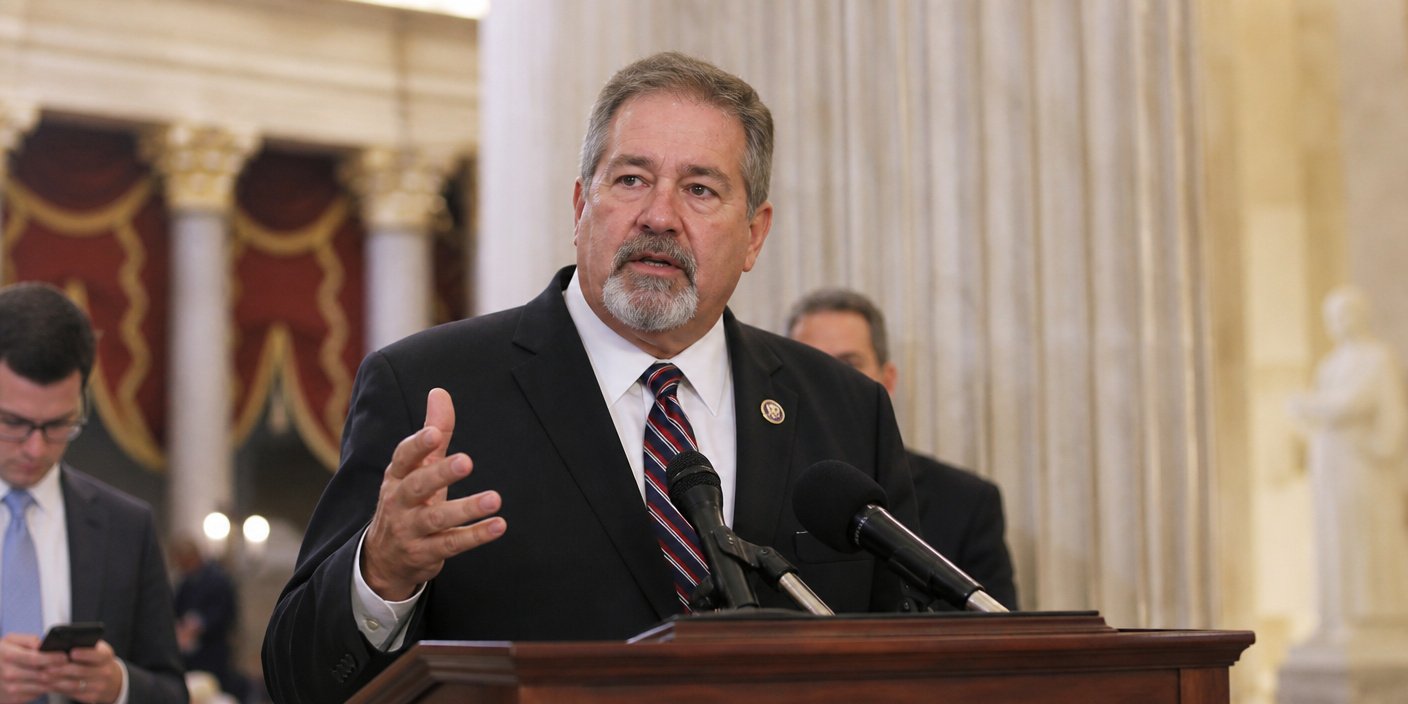
President Trump has officially signed the ‘Doug LaMalfa Federal Disaster Tax Relief Certainty Act’ into law, a significant legislative milestone that ensures survivors of the Eaton Fire and other federally declared disasters are no longer burdened by federal income tax on their compensation payments. This law marks a definitive shift in how the federal government treats financial settlements intended for the rebuilding of lives and communities following catastrophic events. By classifying these payments as non-taxable, the Act addresses a long-standing grievance for victims who previously faced the paradox of receiving financial aid for recovery only to have a significant portion reclaimed by the Internal Revenue Service (IRS).
Key Highlights
- Tax Exclusion Secured: The law mandates that compensation payments received by survivors of the Eaton Fire and other federally declared disasters are excluded from gross income for federal tax purposes.
- Legislative Victory: Spearheaded by Representative Doug LaMalfa, the ‘Doug LaMalfa Federal Disaster Tax Relief Certainty Act’ provides a permanent, scalable framework for disaster relief.
- Immediate Relief: The enactment provides immediate financial clarity for thousands of survivors who have been in legal or financial limbo regarding their tax liabilities.
- Broader Scope: While the Eaton Fire is a primary catalyst, the legislation covers a wide spectrum of federally declared disasters, setting a precedent for future recovery efforts.
The Legislative Impact: Resolving the Tax Paradox
The passage of the ‘Doug LaMalfa Federal Disaster Tax Relief Certainty Act’ represents more than just a tax adjustment; it is a fundamental correction in the philosophy of federal disaster aid. For years, survivors of wildfire events, including the devastating Eaton Fire, faced a complex and often demoralizing tax environment. When insurance companies or legal settlements provided compensation for the loss of homes, businesses, and personal property, the IRS frequently categorized these payments as taxable income. This created a ‘double jeopardy’ scenario: families were taxed on the very money intended to replace the assets they had lost in the tragedy.
Correcting Federal Policy
Under the previous framework, survivors often struggled to navigate the murky waters of tax law, leading to years of uncertainty and the potential for massive tax bills following an already traumatic event. Rep. Doug LaMalfa’s legislative push aimed to remove this ambiguity entirely. By enshrining the exclusion into federal law, the Act ensures that the compensation is treated for what it is: a restoration of losses rather than an increase in wealth. This distinction is vital, as it prevents the federal government from profiting from the recovery efforts of disaster-stricken communities.
The Mechanics of the Law
The new statute creates a clear path for taxpayers. When survivors receive payments related to damages incurred during a federally declared disaster, they will no longer be required to report these funds as income on their annual tax returns. This streamlines the filing process and eliminates the need for survivors to seek retroactive waivers or engage in protracted legal battles with the IRS. For those who have already received payments, the Act provides a clear pathway for compliance, moving away from the patchwork of temporary ‘relief acts’ that characterized policy in previous years.
Economic Resilience and Community Recovery
The economic implications of this law extend far beyond individual tax filings. In regions frequently hit by disasters, such as areas vulnerable to wildfires, the fear of tax liabilities often dampened the impact of settlement money. With this new financial certainty, capital can now be deployed more efficiently toward reconstruction.
Stimulating Local Economies
When disaster survivors retain the full value of their compensation, that liquidity is far more likely to be reinvested into the local economy. Contractors, construction firms, and local businesses depend on the rapid flow of these funds to rebuild infrastructure. By eliminating the ‘tax drag’ on settlements, the Federal Disaster Tax Relief Certainty Act acts as a de facto economic stimulus for communities attempting to recover from the Eaton Fire. It removes a significant barrier to entry for home rebuilding and commercial restoration, which are often delayed when owners lack the necessary liquid assets to pay both for reconstruction and the resulting tax obligations.
Future Implications for Disaster Preparedness
This law also signals a change in the federal approach to disaster management. Policymakers are increasingly recognizing that federal aid must be holistic. If the federal government provides relief grants, it is counterproductive to tax the private settlements that follow. This Act aligns tax policy with humanitarian goals, likely reducing the administrative burden on federal agencies that manage disaster recovery. By setting this precedent, the Act may encourage states to adopt similar tax exemptions, potentially creating a unified, nation-wide standard for disaster recovery taxation.
Analyzing the Legislative Process
The road to this law was paved by years of advocacy from affected communities and legislative persistence. Lawmakers recognized that the taxation of disaster relief was not merely an administrative issue but a moral one. The bipartisan support for the bill underscores the growing consensus that disaster victims should not be penalized by the tax code. By focusing on ‘Certainty,’ the bill explicitly addresses the need for long-term consistency, preventing future administrations from reversing course or creating temporary loopholes that lead to confusion.
FAQ: People Also Ask
Q: Does this law apply to all disaster-related settlements?
A: The ‘Doug LaMalfa Federal Disaster Tax Relief Certainty Act’ specifically applies to compensation payments tied to federally declared disasters, such as the Eaton Fire. It is designed to exclude these payments from federal income tax calculations.
Q: Do I need to amend my previous tax returns if I received payments before this law was signed?
A: The legislation typically includes provisions for how to handle past payments. Survivors should consult with a certified tax professional or CPA who specializes in disaster recovery to determine if their specific situation requires filing an amended return or if the exemption applies to future payments only.
Q: Does this law exempt state-level taxes?
A: This federal law specifically addresses federal income tax. While it provides a strong framework, state tax treatment of disaster settlements can vary. You should verify the tax laws in your specific state of residence, as some states conform to federal rules while others maintain independent tax codes.
Q: Is there a cap on the amount of compensation that can be excluded?
A: The Act is designed to cover standard compensation payments intended to cover losses and damages. It is essential to read the specific documentation or consult with a tax expert regarding the limits of the exclusion, particularly if the payments are structured in complex ways, such as punitive damages or lost business income.